The Food Revolution: How Sustainable Tech Shapes Our Future
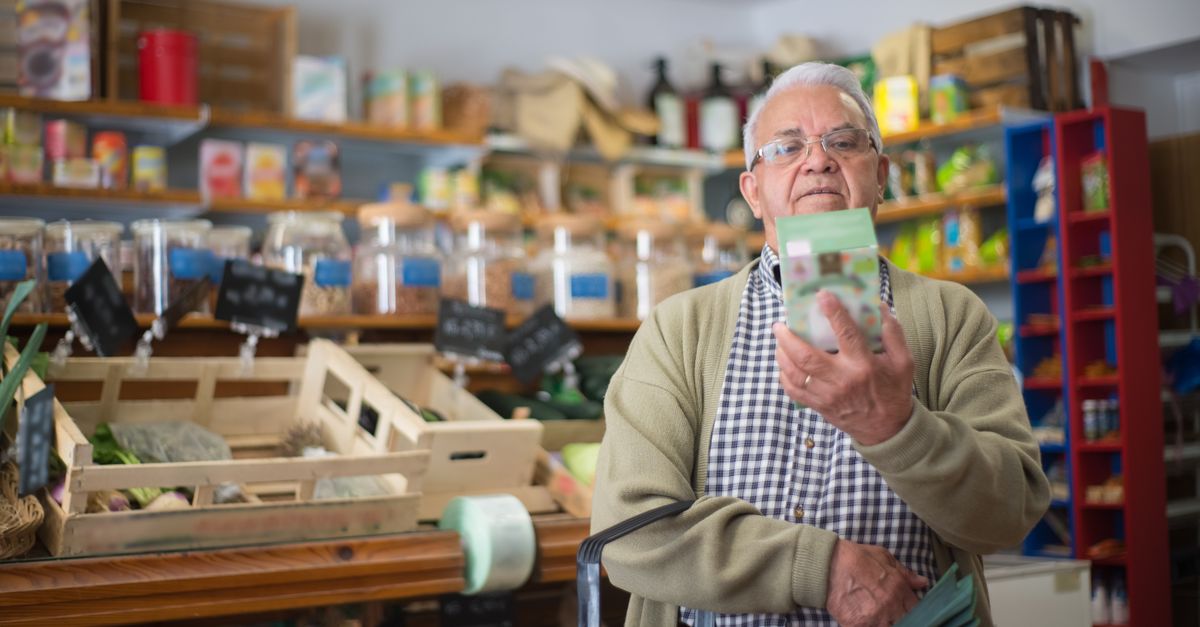
How can the modern consumer escape the clutches of a hyper-centralized, fragile industrial food system that values shelf-stability over nutritional density? Recent data from agricultural supply chain audits reveals that the average whole food item travels over 1,500 miles before reaching your plate, losing up to 50 percent of its volatile micronutrients during transit. The Food Revolution is the systemic response to this logistical decay. By incorporating sustainable tech into our domestic spaces, we can transform our kitchens from points of passive, high-entropy consumption into active, high-yield biological production centers. This content is for informational purposes only and does not constitute medical advice. This guide will show you how to leverage home biotechnology, automated sourcing, and smart preservation to reclaim your nutritional sovereignty and establish a resilient lifestyle.
The Food Revolution Sourcing Matrix: Comparing Three Production Models
To establish absolute clarity in our domestic food strategy, we must compare the three dominant models of food acquisition available today. The default model for most modern professionals is retail-dependency, which relies entirely on just-in-time global logistics. This model is highly fragile and exposes the consumer to massive chemical loads, synthetic stabilizers, and systematic nutrient dilution. By contrast, the traditional homesteading model provides high-fidelity nutrition but demands a prohibitive amount of manual labor, making it impractical for the busy professional. The sustainable tech-integrated model bridges this gap, utilizing automation and localized systems to maximize biological return with minimal time investment.
| Operational Feature | Retail-Dependency Model | Traditional Homestead Model | Sustainable Tech-Integrated Model |
|---|---|---|---|
| Sourcing Logistics | Globalized supply chain, multiple retail middlemen, high transport latency. | Manual tillage, localized physical sourcing, weather-dependent cropping. | Micro-indoor cultivation, direct regional APIs, closed-loop soil systems. |
| Biomarker Retention | Extremely low: up to 50.0% loss of volatile micronutrients before purchase. | High: immediate farm-to-table consumption, seasonal limitations apply. | Maximum: harvested on-demand at peak density, year-round yields. |
| Weekly Manual Labor | Low: limited to driving, checkout lines, and unboxing processed goods. | High: 15 to 20 hours of manual physical labor per week. | Minimal: 1 to 2 hours of strategic automated system calibration. |
| Systemic Resilience | Extremely fragile: highly susceptible to supply shock and inflation. | Moderate: local resilience compromised by regional climate events. | Maximum: modular redundancy, isolated micro-climates, regional buffers. |
By shifting your lifestyle away from retail-dependency, you reclaim control over the foundational fuel that powers your brain and body. Utilizing home biotech does not mean converting your living room into a sterile laboratory: rather, it means using smart devices, automated photobiology, and precision fermentation to handle the complex, labor-intensive components of organic food processing. This is a vital step toward long-term biological solvency.
When to Deploy What: Contextual Guidance for Tech Integration
The successful execution of your personal Food Revolution depends heavily on your spatial and regional constraints. A system that works flawlessly on a suburban plot will cause massive friction if forced into an urban studio apartment. To prevent wasted capital, we categorize our technical deployments into three distinct environmental profiles.
Profile 1: The Space-Constrained Urban Studio (Under 800 Square Feet)
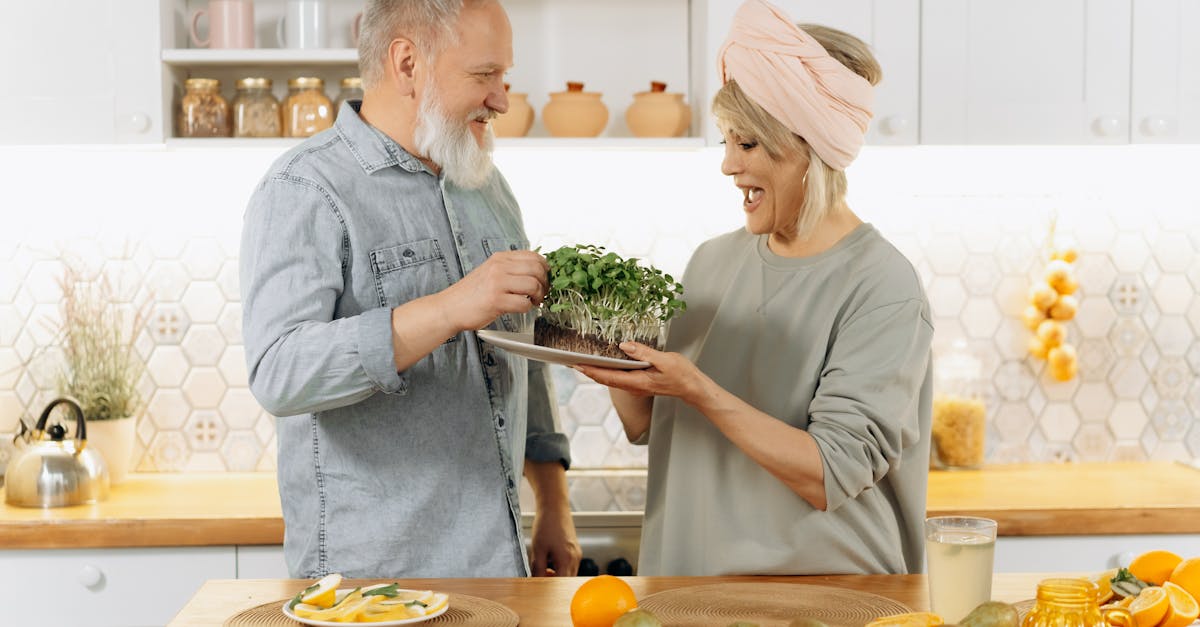
In a compact living space, your main obstacle is spatial footprint and ventilation. You cannot support large-scale soil beds or high-volume compost units. Your focus must be on maximizing nutritional density per cubic inch. This is achieved by deploying automated vertical microgreen systems and precision sprout enclosures. These systems use minimal electricity, utilize stacked vertical racks, and require zero soil, relying instead on clean, inert, water-absorbing pads. Microgreens cultivated in this manner contain up to forty times more nutrient density by weight than their fully mature counterparts, giving you a high-density, low-footprint source of live enzymes and biological value.
Profile 2: The Suburban Residence (Sub-Acre Lot)
With access to a small yard, garage, or utility room, you have the physical space to expand your technology stack. Here, you can transition to closed-loop aeroponic systems and domestic food waste processors. Aeroponics, which suspends plant roots in mid-air and misting them with an automated mineral solution, uses 95 percent less water and 90 percent less space than traditional dirt gardening. In a suburban utility room, a single vertical tower can produce up to thirty separate crops simultaneously. Meanwhile, you can run an electric kitchen composter in the garage to turn food scraps into rich pre-compost material in under twelve hours, completely closing your domestic nutrient cycle.
Profile 3: The Multi-Family Cooperative Node (Community Scale)
At the community level, the focus shifts from individual setups to shared infrastructure. This includes deploying decentralized neighborhood bioconverters, shared precision dehydrators, and automated walk-in freeze dryers. By combining resources, a cooperative can invest in professional-grade preservation machinery that allows for the processing of seasonal gluts. For instance, when a regional orchard produces an abundance of organic fruit, the cooperative processes hundreds of pounds in a single run, locking in ninety-seven percent of vitamins and minerals for up to twenty-five years with zero structural decay. This community-scale approach provides absolute food security, insulating your network from regional supply disruptions.
Many beginners purchase expensive automated smart gardens only to let them sit idle after the first harvest. Technology is only as good as the physical routine behind it. Focus on establishing simple manual cycles: such as counter sprout jars or basic soaking: before outsourcing them to digital automated nodes. Start small, verify your daily habits, and then automate for scale.
The Hybrid Strategy: Integrating Domestic Biotech with Regional Networks
To achieve true nutritional independence, you must implement a hybrid model that marries high-tech indoor production with direct, digital relationships with local organic producers. This dual-pronged strategy ensures that while your micro-nutrients are grown in your own home, your macro-nutrients (bulk proteins, ancient grains, stable fats) are sourced directly from trustworthy, local agricultural partners. By bypassing traditional grocery stores, you eliminate both the retail convenience tax and the environmental degradation of long-distance transit.
To implement this hybrid model, follow this step-by-step technical blueprint over the next 48 hours:
Step 1: Conduct a Spatial and Technical Resource Audit
Locate a dedicated two-square-foot vertical zone in your home with access to electricity and moderate temperature control. This will serve as your domestic grow station. Purchase a high-efficiency vertical grow stand equipped with full-spectrum, low-wattage LED lights. These lights must have an automated timer calibrated to a fourteen-hour photoperiod to simulate optimal spring growth. Select growing materials that prioritize cleanliness and ease of rotation, such as reusable hemp or coconut coir fiber pads.
Step 2: Establish Direct Sourcing Nodes
Bypass local supermarkets by auditing your surrounding bio-region for direct-to-consumer farm listings. Utilize digital regional food directories to find pasture-raised livestock operations and organic grain mills within a fifty-mile radius. Establish direct, wholesale purchasing agreements. Many regional farms now offer digital subscription boxes, allowing you to secure seasonal, low-temperature harvested vegetables and high-quality grass-fed beef with minimal administrative overhead. If you want to dive deeper into the optimization of your personal biology during this transition, read our comprehensive guide on mastering metabolic calibration. Understanding how these whole-food inputs interact with your glycemic levels is essential for long-term health success.
Step 3: Deploy Automated Preservation and Fermentation Cycles
When you secure bulk regional assets, you must lock in their biological value before decay begins. Deploy precision fermentation crocks equipped with digital pH monitors. Fermentation is a natural, low-energy biotechnology that uses beneficial microbes to pre-digest food, rendering nutrients highly bio-available while creating a robust ecosystem of gut-supportive probiotics. This technical preservation cycle ensures that a bulk purchase of seasonal cabbage is transformed into shelf-stable, enzymatically active krauts that can be stored for months without refrigeration. To understand the psychological changes required to stick to these automated home routines, refer to the psychological framework of lasting dietary change. Aligning your internal habits with your external technical systems is the key to sustainable transformation.
De-risking the Food Revolution through Automated Preservation
One of the primary objections to the Food Revolution is the fear of food waste. Many professionals purchase high-quality, local produce only to watch it rot in the back of their refrigerator. This is where modern sustainable preservation tech plays a crucial role. By automating the preservation process, we can extend the life of our biological assets by weeks, months, or even years, protecting our financial investment and ensuring consistent nutrition.
Consider the contrast between traditional refrigerator storage and precision domestic dehydration. Refrigerator air is highly humid and constantly circulating, exposing produce to airborne mold spores and accelerating rot. A smart domestic dehydrator, operating on a low-temperature, dual-stage sensor cycle, removes moisture from the food while preserving raw enzymes and heat-sensitive vitamin C. The resulting food is light, completely shelf-stable, and holds ninety-five percent of its original nutritional density. It can be easily rehydrated during high-stress work weeks to assemble a meal in minutes. This is not just preservation: it is the creation of a private, high-fidelity biological reserve.
Frequently Asked Questions About Sustainable Tech in Nutrition
Is indoor vertical farming expensive to run at home?
No. Modern indoor vertical gardens use highly efficient LED grow lights that consume minimal electricity. A standard, two-tier microgreen grow stand consumes roughly fifteen to twenty watts of power, costing less than two dollars per month in electricity. When you compare this negligible cost to the high-markup prices of store-bought organic greens, the financial return on investment is achieved within the first sixty days of continuous system operation.
Can I use sustainable home tech to grow food without soil?
Yes. Hydroponics and aeroponics are soil-free cultivation technologies. They use filtered water and liquid mineral solutions to feed plant roots directly. This eliminates the risk of soil-borne pests, toxic heavy metal contamination, and the mess of traditional indoor potting soil. Soil-free cultivation allows you to grow food in clean, vertical, indoor spaces like closets, utility rooms, or kitchens, with zero mess and maximum yield efficiency.
How does precision fermentation compare to buying store-bought probiotics?
Precision home fermentation is biologically superior and vastly more economical than store-bought probiotic supplements. A single jar of home-fermented organic vegetables contains trillions of highly diverse, live probiotic cultures that are actively adapted to survive human stomach acid. Store-bought supplements, on the other hand, are often highly processed, contain isolated strains, and lose viability during retail shelf storage. Cultivating your own ferments gives you a live, bio-available shield for your gut health at a fraction of the retail cost.
What is the most reliable first step to take in home biotechnology?
The most reliable, low-friction entry point is countertop germination. All you need is a wide-mouth glass jar, a mesh sprouting lid, and high-quality, organic sprouting seeds like broccoli or clover. By rinsing the seeds twice daily, you trigger germination, neutralizing anti-nutrients and multiplying the bio-available vitamin and enzyme content within five days. This simple, soil-free, electricity-free process introduces you to the power of home bio-activation with zero barrier to entry.
Conclusion: Join the New Vanguard of Vitality
The Food Revolution is not a trend: it is a practical blueprint for survival in an increasingly complex and fragile world. By shifting from a retail-dependent lifestyle to a sustainable tech-integrated model, you protect your body from industrial toxins, secure your family from supply disruptions, and reclaim your natural biological sovereignty. The tools are available, the systems are proven, and the outcome is a life of lasting health and performance. Reclaim your role as the architect of your own nutrition.
Here are your three immediate, actionable takeaways to start today:
- Establish a countertop sprout node this week: Purchase a simple glass sprouting jar and organic broccoli seeds to experience the immediate yield of soil-free home bio-activation.
- Audit your local bio-region: Locate at least one regional farm or mill within fifty miles and arrange to buy your primary macro-nutrients directly from the source.
- Minimize your household food entropy: Acquire an airtight, glass-based storage container set to protect your bulk ingredients from light-induced oxidation.
Every small system change you implement in your kitchen compounds over time, building a highly resilient biological fortress that protects your energy, your focus, and your career longevity. Take action today, secure your home base, and lead the way toward a healthier future.
To discover the complete, step-by-step systems blueprint for reclaiming your biological autonomy and designing a sovereign kitchen, get Food Revolution on Amazon today. Stop leaving your energy to chance and start engineering your personal excellence.