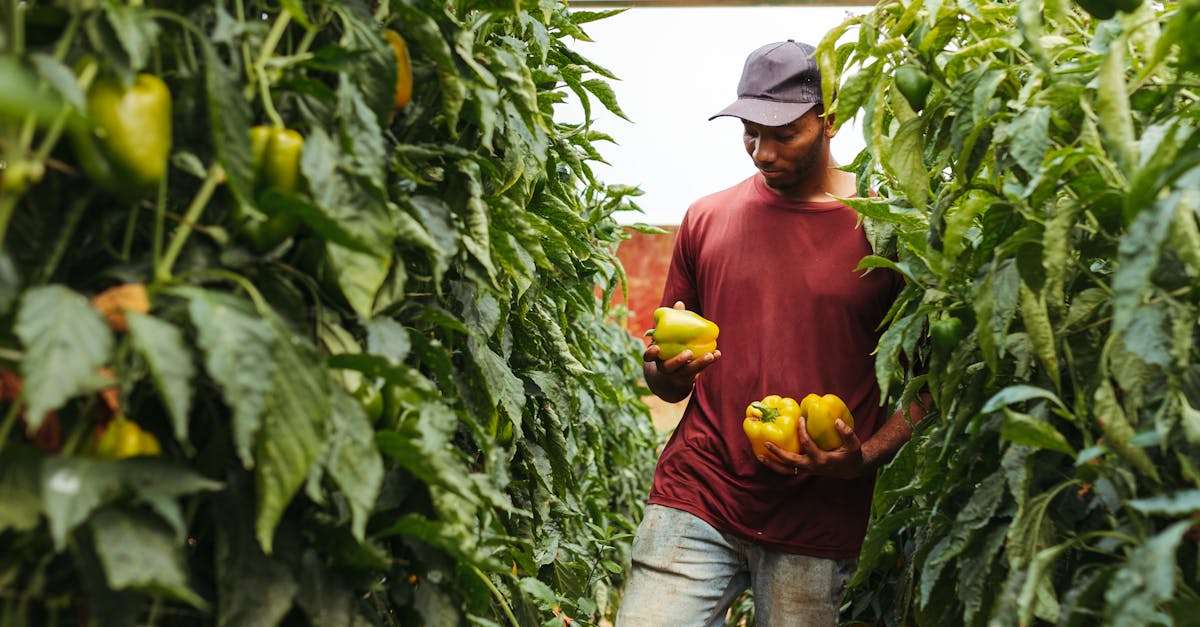
The Food Revolution: How Technology and Sustainability Are Shaping the Future of Eating
How much of the cognitive and physical energy we expend daily is secretly governed by the structural inefficiencies of our food supply? In an era characterized by unparalleled convenience, the average meal travels thousands of miles before reaching our plates, losing a substantial portion of its biological value along the transit route. Modern agricultural systems have perfected the art of high-volume yield and long-distance transport, yet they have done so at the expense of metabolic stability and nutrient density. The Food Revolution represents a fundamental transition in how we source, process, and consume our daily nourishment. This shift is not merely about choosing different ingredients: it is an environmental and technological redesign of our domestic spaces and regional supply chains. This content is for informational purposes only and does not constitute medical advice. By integrating sustainable technologies with precise sourcing protocols, we can move away from a state of complete dependency on fragile, industrial systems. The objective of this comprehensive guide is to explore how technology and sustainability are shaping the future of eating, providing you with the practical, actionable systems required to reclaim your biological agency and establish a high-output household ecosystem.
The Food Revolution and the Relocalization of Sourcing Networks
The central problem of the modern food supply is the distance between production and consumption. When we outsource the cultivation of our food to global industrial systems, we introduce massive transport delays, mechanical processing, and chemical preservation techniques designed to maintain the appearance of freshness. This structural delay creates what we define as nutritional latency: the systematic degradation of volatile micronutrients, active enzymes, and complex antioxidants over time. An item that appears vibrant on a retail shelf has often been harvested weeks prior, treated with synthetic gases to prevent cosmetic decay, and stored in controlled atmosphere warehouses. The biological reality is that we are fueling our highly demanding professional lives with degraded material.
To counter this systemic dilution, the Food Revolution leverages technology to compress transport distances and integrate sustainable production directly into localized nodes. This is not a regressive return to primitive methods, but a sophisticated synthesis of modern logistics, digital connectivity, and ecological stewardship. We can evaluate these models by analyzing their logistical efficiency, resource use, and long-term sustainability.
Let’s look at the three primary paradigms shaping how food moves from the soil to our bodies: Industrial Globalism, High-Tech Isolationism, and Tech-Integrated Localism.
| Operational Feature | Industrial Globalism | High-Tech Isolationism | Tech-Integrated Localism |
|---|---|---|---|
| Transport Distance | Long range (averaging 1,500 miles) | Zero distance (home-scale cultivation) | Short range (typically under 50 miles) |
| Nutrient Preservation | Low (degrades during transit and shelf storage) | High (harvested and consumed immediately) | Very high (picked at peak seasonal vitality) |
| Supply Chain Risk | High (vulnerable to fuel spikes and labor issues) | Medium (reliant on home technology and local grid) | Low (decentralized regional networks and community assets) |
| Implementation Cost | Zero upfront (utilizes existing retail structures) | High (requires automated indoor cultivation hardware) | Moderate (leverages regional cooperatives and home storage) |
Under the Industrial Globalism model, we trade biological capital for administrative ease. We accept standardized, low-quality inputs because they require zero initial coordination or active management. The physical tax of this model is severe: a constant exposure to industrial stabilizers, synthetic waxes, and artificial ripening compounds. When we eat this way, we are constantly taxing our internal filtration systems, leading to a subtle but steady decline in daily focus and cognitive stamina. To establish a more resilient foundation, we must look at how technology can reintroduce natural patterns back into our sourcing loops. For more on this structural transition, explore our comprehensive blueprint on the food revolution and architecting a modern system for nutritional autonomy.
High-Tech Isolationism attempts to resolve this issue by moving agricultural production entirely indoors. Utilizing home aeroponic columns, automated LED arrays, and precision hydroponic trays, this approach offers complete control over the immediate growth environment. It eliminates the need for pesticides and maximizes nutrient density in green crops, allowing the user to harvest mineral-rich foods seconds before consumption. While highly effective for specialized inputs like microgreens and fresh culinary herbs, this model struggles to scale to meet the calorie and macronutrient requirements of a complete household.
Tech-Integrated Localism represents the true systemic synthesis. This model uses digital platforms to link consumers directly to regional regenerative farms, community-supported fisheries, and organic agricultural networks. By compressing the logistics chain, this approach allows for the acquisition of high-density proteins and seasonal fibers harvested within a 50-mile radius. It bypasses the industrial retail distribution network, ensuring that the inputs are biologically active and free from synthetic interventions. The integration of regional sourcing with digital coordination provides a fail-safe strategy for securing high-fidelity nutritional assets.
When to Use What: A Decision Architecture for Modern Eating
A successful transition to a sustainable food system is not about adhering to a dogmatic lifestyle: it is about selecting the appropriate sourcing and processing methods based on your immediate environmental constraints. We can categorize these operational states into three distinct scenarios: High-Stress Performance Sprints, Baseline Maintenance, and Seasonal Infrastructure Resets.
Scenario A: The High-Stress Performance Sprint (The Preservation Model)
When your professional calendar is saturated with complex projects, institutional audits, or high-stakes launches, your cognitive bandwidth is your most valuable asset. During these periods, introducing culinary complexity is a systemic error. You must rely on a zero-decision nutritional architecture that operates on pre-established buffers. This is when you deploy your Tier 2 and Tier 3 stored assets: vacuum-sealed, shelf-stable proteins, sprouted grains, and low-entropy vegetable ferments. The primary objective is to eliminate the decision load associated with meal prep while keeping your energy reserves constant and your digestion free from inflammatory friction.
Scenario B: The Baseline Maintenance Phase (The Hybrid Integration Model)
During standard working weeks, you operate in a steady-state environment. This is the optimal window to integrate fresh, high-tech local yields with structured kitchen logistics. You utilize your home hydroponic setup to harvest daily micronutrient catalysts, pairing them with pasture-raised proteins and seasonal fibers acquired through your regional farm subscription. This model balances systemic efficiency with culinary variety, allowing you to maintain your biological foundations without depleting your evening deep-work energy. To understand how automated behavioral patterns influence these everyday choices, see our analysis of the food revolution and the behavioral triggers behind modern eating decisions.
Scenario C: The Seasonal Infrastructure Reset (The Sourcing Model)
During holiday periods or lower-intensity professional weeks, you enter the acquisition phase. Here, you focus on bulk procurement, relationship-building with regional farmers, and long-term food preservation. This is when you purchase wholesale shares of grass-fed livestock, source organic grains directly from regional mills, and establish your fermentation pipelines. You are actively investing your surplus time into building your household buffer, securing your physical and financial assets for the high-intensity quarters ahead.
To determine your current level of food sovereignty, perform this quick self-assessment:
- Storage capacity: Can your home pantry support your caloric needs for 30 days without a trip to a commercial supermarket?
- Sourcing proximity: Do you know the physical location and farming practices of the producers of your primary proteins and fats?
- Micro-production: Are you currently producing at least 5 percent of your own micronutrient inputs through home-scale cultivation or fermentation?
- Preservation capability: Do you possess the tools and skills required to extend the storage life of fresh regional produce without relying on electrical refrigeration?
- Logistical automation: Is your meal assembly workflow designed to take under 10 minutes during your high-stress working days?
Common Mistake: Over-complicating home production before establishing a reliable supply chain. Many beginners jump into the Food Revolution by purchasing expensive indoor growing systems or planting complex gardens, only to abandon them when their professional schedule intensifies. High-tech home cultivation is a valuable asset, but it must be built on top of a resilient, automated sourcing network. Secure your regional partnerships and bulk pantry buffers first: integrate home cultivation only when your foundational logistics are fully stable.
Want the complete system for establishing nutritional sovereignty? Get all 50 protocols, logistics templates, and the full high-performance workflow in the Food Revolution book on Amazon → Get the book on Amazon
The Food Revolution Hybrid Protocol: Actionable Steps for the Modern Home
Reclaiming control over your nutritional inputs requires a structured, multi-phase protocol that can be implemented alongside a demanding professional schedule. The Food Revolution is won by applying systemic logistics to your daily physical environment. We break this down into three core phases designed to build immediate resilience and long-term metabolic stability.
Phase 1: Procurement Compression and Digital Coordination
The first phase of the protocol focuses on the complete restructuring of your sourcing pathways. You must actively disintermediate your grocery loops by replacing commercial retail trips with direct-to-producer digital pipelines.
- Map your regional bio-region: Use online agricultural directories to locate independent ranchers, pasture-raised egg producers, and regenerative farms within a 50-mile radius of your home.
- Establish direct-delivery accounts: Subscribe to community-supported agriculture (CSA) programs and regional meat cooperatives that offer bulk, temperature-controlled delivery. This removes the cognitive tax and marketing manipulations of the modern supermarket.
- Standardize your core staples: Identify your five most-consumed physical inputs, such as extra virgin olive oil, pasture-raised eggs, grass-fed beef, seasonal brassicas, and sprouted ancient grains. Automate the procurement of these items on a rolling 30-day schedule.
By compressing your sourcing vectors, you dramatically reduce nutritional latency and ensure that every calorie consumed is biologically active and structurally sound.
Phase 2: Micro-Cultivation and Home Tech Integration
Once your foundational supply chain is automated, you can introduce high-density home production to capture peak enzymes and active chlorophyll without the need for large outdoor growing spaces.
- Deploy compact indoor growing units: Invest in modular, LED-powered hydroponic trays or aeroponic microgreen setups. These systems use minimal water and electricity while producing continuous yields of highly concentrated micronutrients.
- Cultivate enzymatic catalysts: Focus your indoor production on high-yield, short-cycle crops like broccoli microgreens, sunflower shoots, and restorative culinary herbs. These inputs are rich in protective phytochemicals and can be harvested directly onto your plate.
- Automate light and nutrient cycles: Use smart plugs and digital timers to regulate light spectrums and irrigation schedules, ensuring optimal crop development with less than 10 minutes of active maintenance per week.
Home-scale micro-cultivation bridges the gap between technology and nature, providing a constant stream of fresh, living food directly inside your living environment.
Phase 3: Low-Entropy Preservation and Laboratory Logistics
The final phase of the protocol involves turning your kitchen into a highly efficient processing lab. You must master the physical and biological preservation techniques required to capture seasonal abundance and protect your assets from decay.
- Establish a rolling fermentation protocol: Master the art of simple salt-brine fermentation. Keep a continuous rotation of lacto-fermented vegetables on your countertops, providing your body with a stable source of natural probiotics and organic acids.
- Utilize vacuum preservation: Invest in a professional chamber vacuum sealer to package your bulk proteins and processed seasonal vegetables. Removing oxygen prevents lipid oxidation and extends the nutritional shelf-life of your freezer assets.
- Implement component-based batching: Dedicate a single 90-minute block on your weekend to process raw materials into versatile components. Store them in stackable, borosilicate glass containers so that weekday meal assembly requires zero active cooking.
By treating your kitchen as a processing laboratory, you replace the daily chaos of cooking with a structured, high-output production workflow.
Frequently Asked Questions about the Food Revolution
Is the Food Revolution essentially just a high-tech organic diet?
No, the Food Revolution is a comprehensive infrastructure framework that covers sourcing, logistics, home automation, and material preservation. While organic certification is a useful data point, our protocol emphasizes provenance, biological freshness, and supply chain transparency. A regional farmer utilizing traditional, regenerative techniques but without an expensive organic seal often provides a far superior nutritional asset than a global organic corporation that relies on long-distance shipping and extensive warehousing. Our focus is on reducing transport delays and maximizing systemic resilience, not simply buying a premium commercial label.
How can I participate if I live in a highly dense urban apartment?
Urban density is an operational constraint, not a barrier to entry. In a compact living space, your primary strategy is high-density storage and countertop micro-production. You can easily maintain a rolling 30-day buffer of core shelf-stable assets, such as heirloom grains, legumes, and high-integrity tinned proteins, in a single cabinet. Combine this with a small, automated indoor microgreen tray and a basic countertop fermentation setup. By prioritizing raw, single-ingredient assets and digital delivery pipelines, you can build a highly resilient, sovereign kitchen lab regardless of your physical square footage.
Does transition into a sovereign food system require an expensive upfront investment?
While high-tech systems like home aeroponic columns or chamber vacuum sealers require some initial capital, the Food Revolution is highly cost-effective over a 12-month cycle. By sourcing directly from primary producers and purchasing your stable inputs in bulk, you eliminate the massive retail markup, packaging fees, and convenience taxes associated with commercial foods. The long-term savings in grocery expenditures, combined with the reclaimed time and improved cognitive performance, offer an exceptional return on your physical and financial investment.
How do I manage the cleanup and labor of this model with a busy schedule?
The Food Revolution is specifically designed to eliminate daily kitchen friction. The current consumer model of daily grocery shopping, recipe search, and multi-pan meal preparation is highly inefficient and causes cognitive fatigue. By moving to a component-based batching system once a week, you localize all high-mess processing events to a single window. During the work week, assembly is modular and rapid, resulting in almost zero daily cooking mess and cleanup time. This strategic decoupling of processing and consumption is the key to maintaining nutritional integrity within a demanding professional schedule.
Reclaiming Your Biological Capital through Technology and Sustainability
The transition to a sovereign nutritional model is the ultimate act of physical self-determination in a highly centralized world. By applying the logical frameworks of technology and sustainability to your home environment, you dismantle your reliance on fragile commercial networks and establish a compounding asset of baseline vitality. The Food Revolution is not a temporary health trend: it is a lifetime commitment to systemic design, logistical efficiency, and resource stewardship. Reclaiming your plate is the first and most critical step toward securing your focus, your energy, and your professional legacy.
To begin your personal transformation today, focus on these three action items:
- Audit your environment: Identify and discard the five most processed items in your kitchen with more than five ingredients, clearing space for single-source biological assets.
- Establish one local node: Find a regional farm or meat cooperative within a 50-mile radius and set up your first direct bulk delivery account this week.
- Initiate micro-cultivation: Set up a simple countertop seed-sprouting jar or a compact LED-powered tray to begin harvesting fresh, living micronutrients within seven days.
The tools and structures of the future of eating are already available. The only question is whether you will remain a passive consumer of industrial convenience or step forward as the master of your own biological ecosystem. The clarity, resilience, and endurance you gain will be the highest-returning investment of your lifetime.
Are you ready to finalize your mastery of the Food Revolution? Gain the ultimate strategic edge and secure your biological future today. Get the complete system, the advanced protocols, and the practical implementation templates in the Food Revolution on Amazon today → Get the Food Revolution on Amazon