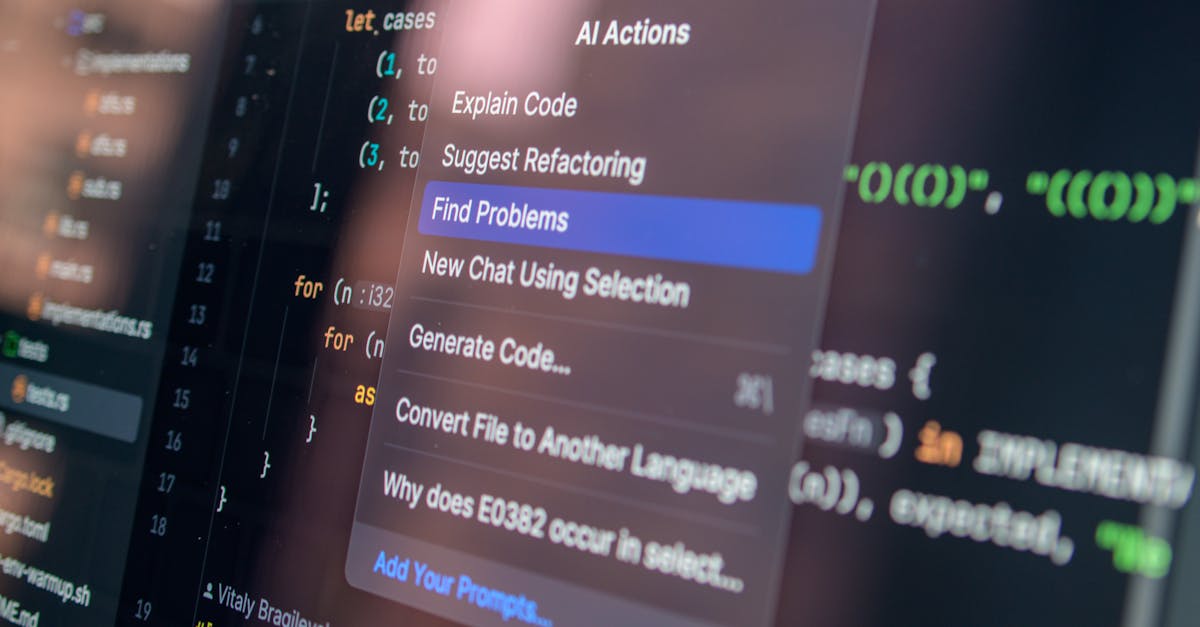
AI Teacher Toolkit: Save Time and Teach Smarter
Are you spending more time managing the logistics of your classroom than actually interacting with your students? Recent occupational audits indicate that modern educators face an unprecedented crisis of cognitive overload, making upwards of 1,500 non-trivial decisions in a single school day. This relentless demand on mental energy triggers a state of chronic decision fatigue, which is the primary catalyst behind the escalating rates of teacher burnout globally. The traditional model of classroom preparation, which relies on the manual handcrafting of every lesson plan, rubric, and parent update, is no longer viable in an era characterized by rapidly shifting standards and diverse student needs. Fortunately, there is a professional alternative. By adopting the systematic framework of the AI Teacher Toolkit, you can transition from a reactive manual laborer of educational materials into a strategic architect of learning, reclaiming up to ten hours of your weekly preparation period while dramatically elevating the precision of your instruction.
The promise of this guide is straightforward: to provide you with a high-performance operating system for your career. We will examine how to replace the fragmented, exhausting workflows of the past with a streamlined, logic-driven approach to educational design. This article deconstructs the inefficiencies holding most teachers back and introduces a comparative framework for selecting the most sustainable instructional methods. By the end of this resource, you will possess a structured methodology for offloading administrative friction, allowing you to invest your surplus energy where it matters most, in mentoring, relationship building, and high-level student cognitive development.
Deconstructing the Time-Drains: Why the AI Teacher Toolkit is Essential
To understand the necessity of a systemic AI Teacher Toolkit, we must first analyze the invisible structural forces that contribute to teacher exhaustion. The modern classroom is a highly complex environment, requiring teachers to act simultaneously as subject matter experts, diagnostic analysts, administrative coordinators, and communication specialists. In a traditional workflow, each of these roles demands a separate manual process. If a reading passage must be modified for three distinct reading levels, the teacher must spend hours manually editing the text. If a diagnostic assessment is administered, the teacher must dedicate their entire evening to grading individual papers before patterns can be identified and addressed. This manual execution of high-frequency tasks creates a state of permanent instructional debt, where the teacher is constantly running behind their own curriculum schedule.
The key to resolving this crisis is not to work harder, but to establish a system of cognitive offloading. In any professional environment, tasks can be categorized by their context and frequency. High-frequency, low-context tasks, such as formatting documents, compiling vocabulary lists, drafting standard newsletters, and generating initial lesson templates, are ripe for systematic automation. When you attempt to execute these mechanical tasks manually, you are paying a heavy professional tax on your limited time and energy. The AI Teacher Toolkit functions as a digital exoskeleton, handling the heavy lifting of raw content generation and document formatting, so your professional mind remains fresh for the high-context, high-stakes decisions that only a human educator can make.
To build a system that endures, educators must first analyze their daily routine through our guide on mastering the instructional workflow OS, which prevents the typical pitfalls of digital clutter and ensures that your technical integrations serve your primary pedagogical goals. By establishing clear rules for when to delegate tasks, you align your practice with the principles of educational resource optimization, protecting your personal life from the creep of weekend preparation work while guaranteeing a consistent, high-quality experience for your students.
The Comparative Matrix: Three Pathways to Classroom Management
Every educator operates under an instructional management model, whether they have consciously selected one or not. To understand how to teach smarter, we must compare the three dominant models currently active in schools today: the Manual Legacy Model, the Fragmented App-Chasing Model, and the Systemic AI Teacher Toolkit Model. Each approach yields radically different outcomes for both teacher well-being and student achievement.
| Evaluation Metric | Manual Legacy Model | Fragmented App-Chasing Model | AI Teacher Toolkit Model |
|---|---|---|---|
| Preparation Time | High (10.0 to 15.0 hours weekly) | Moderate (6.0 to 8.0 hours weekly) | Low (1.5 to 2.0 hours weekly) |
| Cognitive Overhead | Maximum (Permanent decision fatigue) | High (Constant search for new tools) | Minimal (Structured, repeatable logic) |
| Differentiation Capacity | Low (Limited by physical time limits) | Variable (Dependent on specific app limits) | Infinite (Scalable and multi-tiered) |
| Asset Portability | Low (Static paper files or local PDFs) | Low (Locked inside proprietary software) | High (Portable natural language logic) |
| Career Durability | Low (High rates of professional burnout) | Moderate (Subscription and tool fatigue) | Maximum (Sustainable personal ecology) |
The Manual Legacy Model: The Handcrafted Strain
The Manual Legacy Model treats the teacher as a medieval scribe. Every worksheet, reading passage, and assessment rubric is individually typed and assembled from zero. While this model is born out of a deep commitment to personalization, it is structurally inefficient. Because the output of this model is static, the resources are highly fragile. If a district updates its graduation requirements, or if a class demographic changes, the teacher must manually rewrite large portions of their curriculum. This dynamic creates a compounding interest of professional debt, where veteran teachers of fifteen years find themselves working the same exhausting hours as first-year novices because they have no system to automate their accumulated expertise.
The Fragmented App-Chasing Model: The Illusion of Efficiency
With the rise of educational technology, many teachers transitioned to the Fragmented App-Chasing Model. In this paradigm, the teacher is constantly seeking out the latest specialized digital tool, a separate website for quizzes, a different platform for slide decks, and another for communication. This approach creates an illusion of modernization but actually introduces a secondary form of friction, technical debt. Managing thirty different student logins, navigating changing subscription prices, and jumping between disjointed user interfaces introduces significant cognitive clutter. When an app changes its layout or is discontinued, the teacher’s carefully built resources are lost, forcing them to start the tool-hunting cycle over again.
The Systemic AI Teacher Toolkit Model: Logic-Driven Architecture
The AI Teacher Toolkit represents a fundamental departure from both of these approaches. Instead of focus on static documents or proprietary websites, the toolkit teaches you to master natural language logic, prompts, constraints, and contextual variables. By developing a centralized personal library of repeatable logic structures, you create portable instructional assets that function across any platform. If you have a perfect logic model for scaffolding a persuasive essay, you can apply it to any grade level, any subject area, and any student demographic in seconds. This is the difference between purchasing separate pieces of plastic furniture and mastering the art of woodworking. You are building a lifelong set of professional skills that belong to you, ensuring complete autonomy and career longevity.
Calibrating Your AI Teacher Toolkit for Maximum Pedagogical ROI
To implement this model successfully, you must understand how to categorize and calibrate your interactions with technology. We structure our digital delegation into three distinct operational tiers, each requiring a specific level of human oversight.
- Tier 1: Low-Context, High-Volume Administrative Tasks (95.0% Automation): These are tasks where student privacy and deep analytical thinking are not the primary concerns. Formatting lesson frameworks, generating multiple-choice practice items, drafting standard classroom newsletters, and translation fall into this tier. You provide the raw criteria, and the toolkit executes the mechanical draft in seconds, saving hours of typing.
- Tier 2: High-Context, High-Complexity Pedagogical Tasks (Co-Pilot Integration): This is the zone where your expertise as an instructional designer is crucial. Examples include designing complex units of study, leveling primary sources, and constructing multi-tier differentiation scaffolds. The toolkit produces high-quality raw materials based on your precise constraints, which you then refine, edit, and align with your local standards.
- Tier 3: Relational and High-Emotional Diagnostics (100.0% Human Leadership): Social-emotional interventions, student restorative coaching, and sensitive family advocacy cannot be automated. The primary goal of using the AI Teacher Toolkit is to completely clear your desk of Tier 1 and Tier 2 tasks, ensuring you have the mental focus and emotional resilience necessary to lead with empathy in these critical human-centric moments.
Implementing the AI Teacher Toolkit: When to Automate and When to Curate
The secret to teaching smarter is knowing exactly when to rely on systemic automation and when to lean into your professional judgment. A common point of failure for early adopters of generative technology is treating the system like a search engine, asking simple questions and expecting finished materials. This results in generic, low-rigor outputs that require heavy manual correction. To help you avoid this mistake, use the following scenario-based decision tree to guide your daily integration of the AI Teacher Toolkit.
Scenario A: The Multi-Level Differentiation Dilemma
Imagine you are preparing a lesson on the scientific method, and your class of thirty includes several students reading two grade levels below the curriculum, as well as a handful of advanced learners who need enrichment. In a legacy system, you would likely teach to the middle, leaving both subgroups underserved due to a lack of preparation time.
With the AI Teacher Toolkit, you do not rewrite the lesson multiple times. Instead, you use the concept of Curricular Elasticity. You feed your core instructional article into the system and apply a leveling prompt. Within two minutes, you generate three versions of the exact same content, matched perfectly to the Lexile needs of your students, while maintaining identical vocabulary terms and conceptual milestones. You are not changing the science, you are simply widening the entry point for your learners, achieving genuine classroom inclusion in a fraction of the manual prep time.
Scenario B: The Rubric and Assessment Bottleneck
A primary source of work-week bottlenecking is the manual construction of diagnostic rubrics. When teachers design a new assignment, they often copy a generic rubric from the internet or spend hours writing custom criteria. These generic options rarely align perfectly with the specific objectives of the lesson, leading to inconsistent grading and confusing student feedback.
Using the toolkit, you can implement the Forensic Rubric Blueprint. You feed your precise lesson goals, age group constraints, and targeted vocabulary directly into the system. The toolkit then generates a highly customized, multi-dimensional rubric that measures both the final output and the process of student thinking. Because the rubric is built using the exact logic of the assignment, your turnaround time for providing high-quality, actionable feedback drops dramatically, transforming assessment from a stressful terminal event into a live engine of student growth.
One of the most frequent errors is copying AI output directly into a classroom document without reading it first. This is a severe threat to your professional credibility. The AI Teacher Toolkit is designed to act as your high-speed draft assistant, not your publisher. Always spend sixty seconds auditing the generated materials to ensure they match your local district standards, your specific community context, and your personal voice. The system handles the heavy composition, but you are the final editor-in-chief.
The Practical Self-Assessment: Is Your Workflow Sustainable?
To determine if you are ready to transition toward a high-output, system-driven model of instruction, complete the following quick checklist. This self-assessment measures your current operational efficiency and identifies potential areas for immediate time-reclaiming interventions.
- Task Auditing: Do you currently spend more than 40.0% of your work week on administrative documentation, formatting, and emails rather than direct teaching and student counseling?
- Asset Retrieval: Can you locate, adapt, and customize an existing lesson plan for a diverse student subgroup in under five minutes?
- Feedback Timeliness: Are you regularly returning formative assessments and diagnostic writing critiques within forty-eight hours of submission?
- Pacing Resilience: When your district updates its core standards, do you feel overwhelmed by the prospect of re-aligning your unit plans?
- Personal Margins: Are you routinely taking school laptop work home on weekends or working past contract hours to stay ahead of planning?
If you answered yes to more than two of these questions, your current instructional model is operating in a state of high technical friction. By adopting the systematic principles of the AI Teacher Toolkit, you can begin resolving these bottlenecks within your next forty-eight hours, moving from a position of classroom survival to one of professional sovereignty.
The Hybrid Strategy: Human Intuition and Systemic Speed
The ultimate goal of teaching smarter is to achieve a seamless fusion of expert human intuition and high-speed digital generation. This is the hybrid strategy. You do not hand over your professional autonomy to a machine, nor do you ignore the immense efficiency gains of technology. Instead, you treat the toolkit as a tire-less teaching assistant who is constantly available to draft, format, and organize under your expert supervision.
Consider the process of constructing an inquiry-based science lab. The traditional teacher spends their Sunday evening manually searching websites for safe experiments, writing the safety checklists, formatting the data sheets, and drafting the student reflection questions. In the hybrid model, the educator starts with their pedagogical goals. They prompt their AI Teacher Toolkit to generate three different lab variations based on standard kitchen ingredients, complete with custom safety protocols and scaffolded data sheets. The teacher then spends ten minutes reviewing the outputs, adding local context, and selecting the option that best fits their classroom setup. The manual labor of the past is reduced to a rapid curation process, leaving the educator with the cognitive freshness required to actively guide students through the actual hands-on scientific discovery.
Frequently Asked Questions about the AI Teacher Toolkit
Will using automated systems make my classroom materials feel generic or robotic?
The key to maintaining your unique instructional voice is the precision of your input constraints. If you ask a generic chatbot for a lesson plan, you will receive a low-value, generic result. However, the AI Teacher Toolkit focuses on highly detailed prompting frameworks that incorporate your specific teaching philosophy, state standards, student interests, and school context. By treating the technology as a drafting partner rather than a final author, you ensure that every output is customized to your exact classroom reality. You provide the heart and the professional context, the system handles the physical formatting and draft generation.
How can I protect student privacy and maintain compliance with data regulations?
Protecting student identity is a foundational requirement of any modern educational system. The AI Teacher Toolkit advocates for a strict Zero-Identifiable-Data protocol. You do not need to input student names, identification numbers, or sensitive district records into any public AI model to achieve precise differentiation or feedback. Instead, you learn to use anonymized demographic descriptors, such as “Student A, sixth grade, currently reading at a fourth-grade level with an interest in sports.” This allows the system to generate highly relevant support materials while ensuring complete compliance with federal, state, and district privacy mandates.
Does the AI Teacher Toolkit require advanced technical knowledge or coding skills?
No, the system is designed to be accessible to any educator, regardless of their current technological literacy. The core of the toolkit is natural language logic, meaning that if you can explain a concept clearly to a colleague, you have the linguistic skills required to direct the system. The book deconstructs complex technological concepts into simple, repeatable prompt templates that you can apply immediately within standard platforms. The focus remains on pedagogy and classroom strategy, not computer science.
How does the toolkit help students develop critical thinking rather than just finding shortcuts?
A common concern is that if teachers use technology, students will simply use it to bypass the struggle of learning. The AI Teacher Toolkit solves this by teaching you how to design assessments that are inherently resistant to simple automation. You will learn to construct cognitive friction tasks, where students must use digital tools to generate options, then perform the high-level work of critiquing, comparing, and defending those options in collaborative seminars. You are training your students to become critical users and supervisors of technology, preparing them for a future workplace where synthetic content is the baseline.
Reclaiming Your Agency: The Smarter Path to Classroom Impact
We are entering an era of unprecedented change in education, where the success of a teacher will no longer be measured by the hours they spend manually composing lesson plans. The demands on your cognitive energy are escalating, but the number of hours in a day remains constant. A well-constructed AI Teacher Toolkit is the only sustainable pathway to meet these challenges while maintaining your personal well-being and professional longevity. By shifting from a production-based mindset to a systems-first architecture, you reclaim your agency, allowing you to bring your absolute best, most energized self to the classroom every single day.
To immediately initiate your transformation toward a high-performance, low-stress career, prioritize the following three steps this week:
- Conduct a Time Audit: Identify the three most repetitive administrative tasks that contribute to your current weekend work-hours and target them for immediate systemic automation.
- Shift from Creator to Curator: Stop starting from a blank page for your lesson templates, rubrics, and communication skeletons, and begin using structured logic models to generate your first drafts.
- Focus Your Marginal Margin: Reinvest the hours you reclaim with your toolkit directly into high-leverage student mentorship, restorative conversations, and your personal rest.
You do not have to figure this out through painful trial and error. The transition from an exhausted, manual class scheduler to a sovereign instructional designer is already mapped out for you. Access the complete library of over fifty field-tested templates, diagnostic frameworks, and implementation worksheets designed specifically to future-proof your practice. Take control of your time, restore your passion for teaching, and master the definitive resource for modern classroom excellence. Get the AI Teacher Toolkit on Amazon today.