The Food Revolution: A Practical Guide for Modern Kitchens
Does the layout and physical design of your kitchen dictate your long term physiological and professional performance? In the digital age, high performance professionals spend hours optimizing their workspaces, software platforms, and scheduling tools, yet they routinely ignore the spatial architecture of the room that prepares their biological fuel. The industrial food complex has systematically redesigned the modern home kitchen to serve as a passive reheating station: an end node for processed, packaged products that deplete our cognitive reserves. This content is for informational purposes only and does not constitute medical advice. To break free from this model of biological depreciation, we must lead a domestic Food Revolution that begins with the physical reorganization of our cooking environments. This guide is a rigorous manual for re-engineering your kitchen. It provides actionable blueprints to eliminate nutritional decision fatigue, secure high-fidelity sourcing nodes, and restore structural cooking skills. By turning your space into a high-output production center, you can reclaim valuable cognitive bandwidth and guarantee steady, high-focus physical energy.
The Hidden Cost of the Modern Kitchen Status Quo
The status quo of the modern kitchen is defined by a silent biological and temporal tax. Over the past fifty years, kitchen design has shifted from a site of raw production to a point of consumption. This evolution is visible in the physical tools that dominate the counter: microwaves, pod coffee machines, and air fryers designed for pre-processed inputs have replaced traditional cutting blocks, dry storage vaults, and fermentation crocks. This structural change encourages a just in time retail model. The modern professional relies on daily grocery deliveries, restaurant apps, and pre-packaged meals. This operational model is incredibly fragile, exposing the household to supply chain shocks and erratic retail pricing.
The cognitive consequence of this status quo is extreme decision fatigue. The average adult makes over two hundred food-related choices every day. When your kitchen lacks a structured layout, every single meal becomes a complex logistics problem: you must decide what to eat, locate the ingredients, process them under awkward conditions, and clean up a disorganized workspace. This friction forces professionals to default to convenient, ultra-processed options. These products rely on cheap industrial seed oils, refined sugars, and synthetic stabilizers to remain shelf stable. Consuming these low-resolution inputs causes rapid glucose fluctuations and low-level systemic inflammation: the primary drivers of the dreaded afternoon focus crash. To succeed in your professional missions, you must stop treating your kitchen as a source of friction and start managing it as a high precision biological node. True sovereignty starts with spatial engineering.
The Modern Kitchen Sovereignty Framework
To establish a sustainable nutrition model that thrives during intense work cycles, you must implement a structured framework that shifts your domestic environment from passive procurement to active processing. The Modern Kitchen Sovereignty Framework is built on four distinct pillars: Sourcing Gate Calibration, Kinetic Space Optimization, Preservation Architecture, and Mechanical Processing Mastery. This framework treats your kitchen as a production facility, ensuring that high-quality choices are always the path of least resistance.
Pillar 1: Sourcing Gate Calibration
The first gate of kitchen sovereignty is the curation of your inputs. You cannot calibrate a high-output biological engine if the raw materials entering your home are of unknown provenance or poor structural integrity. This requires a transition from the conventional retail supermarket model to a direct, decentralized sourcing network. By bypassing the middle sections of supermarkets, you eliminate exposure to industrial food marketing and avoid processed products designed for maximum shelf life rather than nutrient density.
- The Principle of Provenance: Prioritize localized soil vitality and minimal supply chain lag over the convenience of globalized supermarkets. Sourcing food from regional farms ensures that produce is harvested at peak maturity, retaining intact mineral complexes and enzyme systems.
- The Action Step: Audit your primary protein and fiber sources. Locate at least one regional cooperative, community supported agriculture network, or direct-to-consumer rancher within a one hundred mile radius of your home. Transition your primary procurement to these direct nodes. For those focused on cognitive output, establishing direct sourcing contracts is essential, as explained in our guide on the food revolution and the high performance system for executive vitality.
- The Practical Example: Securing a quarterly bulk share of grass-finished protein from a regional rancher and storing it in a dedicated chest freezer. This single move secures your primary protein baseline, reducing your weekly shopping trips and eliminating retail pricing volatility.
Pillar 2: Kinetic Space Optimization
The physical layout of your kitchen dictates your behavioral outcomes. If you must dig through deep cabinets to find a cutting board or move decorative clutter to access a knife, your environment is actively sabotaging your habits. Kinetic space optimization applies industrial workflow principles to the kitchen, minimizing the physical and cognitive energy required to prepare raw foods.
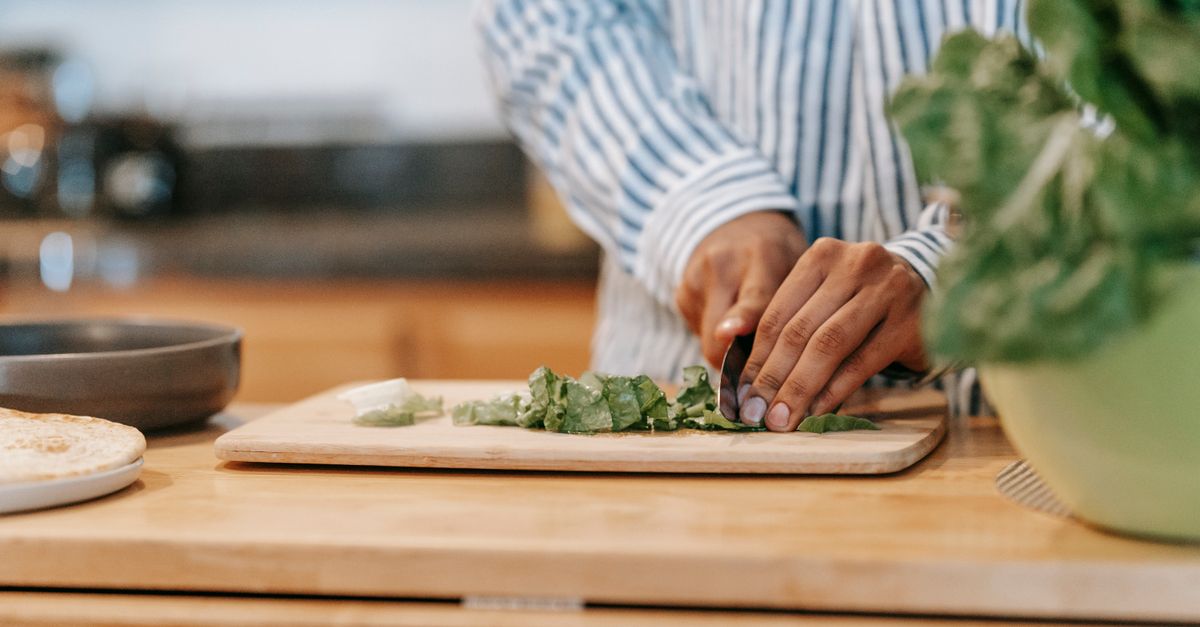
- The Five-Foot Rule: Your primary production tools, consisting of an eight-inch carbon steel chef knife, a heavy end-grain wooden cutting block, and a high-accuracy digital scale, must reside in a permanent zone within five feet of your sink and cooking surface. This zone, which we call Zone Alpha, must remain clear of all non-essential items.
- The Action Step: Clear all decorative items, appliances, and clutter from your primary countertop space today. Store secondary tools like blenders, mixers, and specialized gadgets in closed cabinets. Place your cutting block in the center of Zone Alpha as a permanent visual cue that encourages raw ingredient processing. By mapping your physical movements, you minimize the kinetic drag that leads to processed food choices, aligning with the principles of the food revolution resource allocation and cognitive energy framework.
- The Practical Example: Moving a bulky coffee maker and toaster off your main counter to create a dedicated thirty-six inch prep station. This workspace reduces the physical setup time of cooking from ten minutes to zero, making the preparation of a fresh, whole-food meal as rapid as opening a pre-packaged alternative.
Pillar 3: Domestic Preservation Architecture
In a sovereign kitchen, food storage is not a passive waiting room for decay: it is an active biological upgrade. To decouple your household from the daily retail cycle, you must master domestic preservation. This involves using temperature, oxygen control, and beneficial microbial colonization to extend the lifespan of your raw materials while increasing their nutrient bioavailability.
- The Principle of Rolling Inventory: Maintain a ninety-day reserve of dry and preserved foundational assets, including ancient grains, dry legumes, traditional stable fats, and preserved proteins. This buffer protects your household from localized supply shocks and eliminates the panic shopping that leads to poor nutritional choices.
- The Action Step: Group your dry storage into clear glass jars with airtight seals. This visibility acts as a cognitive nudge: when you can see your assets, you are far more likely to rotate them. Designate a specific area of your kitchen for low-oxygen storage and traditional fermentation loops, such as sourdough starters or lacto-fermented root vegetables.
- The Practical Example: Processing ten pounds of seasonal organic carrots and cabbage with sea salt into glass fermentation jars. This simple technique creates a self-preserving, probiotic-rich food supply that retains its enzymatic integrity for up to twelve months without electricity.
Pillar 4: Mechanical Processing Mastery
To operate a sovereign kitchen, you must reclaim the physical mechanics of food preparation. Modern culinary marketing suggests that cooking must be a complex, creative art form. This narrative is a barrier to entry. In a high-output kitchen, preparation is a repeatable, mechanical protocol. You are not creating elaborate gourmet dishes: you are processing raw commodities into modular components that can be assembled in minutes.
- The Component Batching Protocol: Separate the labor of preparation from the act of consumption. Spend one ninety-minute session each week batch-processing three core components: a bulk protein, a dense root carbohydrate, and a fermented or fresh fiber dressing. These modular assets are stored separately in glass containers, allowing you to assemble a high-fidelity meal in under five minutes.
- The Action Step: Commit to a weekly production session, such as on Sunday afternoons. Roast two whole pasture-raised chickens and a tray of seasonal tubers, and prepare a large jar of traditional olive oil and lemon vinaigrette. Store these assets separately. This eliminates active cooking during your demanding work days, removing the mental burden of decided menus during high-focus periods.
- The Practical Example: Combining pre-cooked pasture-raised chicken slices, cold-roasted sweet potatoes, and fermented kraut in a bowl with cold-pressed olive oil. This high-density, nutrient-rich assembly takes less time to prepare than waiting for a commercial delivery service, providing a steady stream of biological energy with zero glycemic volatility.
| System Metric | The Reheating Kitchen (Status Quo) | The Sovereign Kitchen (Sovereignty OS) |
|---|---|---|
| Sourcing Path | Retail grocery chains, delivery apps, pre-packaged inputs | Direct-to-producer partnerships, bulk dry reserves, local CSA nodes |
| Layout Architecture | Cluttered counters, hidden tools, plastic storage dominance | Clear counters, permanent Zone Alpha, glass dry jar visibility |
| Preservation Focus | Passive waiting room for decay (standard refrigeration) | Active biological upgrade (fermentation, vacuum glass, freezing) |
| Weekly Prep Time | Daily micro-events (approx. 45.0 to 60.0 minutes per day) | One consolidated ninety-minute session, daily assembly under five minutes |
| Metabolic Drag | High (seed oils, preservatives, high-glycemic spikes) | Near zero (highly bioavailable, stable saturated and monounsaturated fats) |
Proof in Practice: The Sovereign Kitchen Redesign
To demonstrate the real-world performance of the Modern Kitchen Sovereignty Framework, let us examine the case of David, a senior systems architect in a high-density urban environment. David was trapped in the conventional reheating model: working sixty hours a week, relying on delivery apps for dinner, and utilizing a cluttered kitchen countertop as storage for junk mail and unwashed coffee cups. His physical vitality was in a state of rapid depreciation, marked by persistent brain fog, energy crashes at 3:00 PM, and a monthly delivery app spend of over 1,200 dollars. Despite purchasing high-end organic vegetables during occasional weekend trips, David regularly discarded over 40.0% of his fresh produce because he lacked the infrastructure and temporal habits to process it before decay.
David undertook a structured ninety-day kitchen redesign based on our framework. First, he performed a complete physical purge: removing his microwave, toaster, and decorative countertop clutter. He established a permanent Zone Alpha, positioning a professional end-grain maple cutting block, an eight-inch carbon steel knife, and a set of uniform glass storage jars on his main counter. He cancelled his delivery subscriptions and joined a local community supported agriculture network that delivered a weekly basket of seasonal, regional vegetables directly to his building. He also purchased a quarter-share of pasture-raised beef from a regional family ranch, storing the bulk protein in a compact, energy-efficient chest freezer in his utility closet.
David committed to a weekly Sunday afternoon ritual: spending exactly ninety minutes batch-processing his fresh inputs. He roasted his pasture-raised proteins, prepared a large jar of fermented cabbage, and roasted a tray of heirloom root vegetables, storing each component in clear glass vacuum-sealed containers. During his high-stress work week, David completely eliminated active menu planning: assembling his meals in under five minutes using his pre-processed modular components.
The quantitative outcomes of this structural shift over the ninety-day testing window were highly significant:
- Cognitive Bandwidth Reclaimed: David eliminated over one hundred food-related decisions per week, completely resolving his dinner decision fatigue. This led to an estimated gain of ninety minutes of high-focus professional output daily.
- Systemic Waste Reduction: His household organic waste dropped from an average of 8.2 pounds weekly to under 0.5 pounds, with all vegetable trimmings converted into high-density stocks.
- Financial Optimization: By bypassing retail middle steps and delivery fees, David’s monthly food expenditure dropped by 45.0%, even though the quality and nutrient density of his inputs increased dramatically.
- Energy Stability: Quantitative self-assessments revealed a total elimination of the mid-afternoon energy crash within fourteen days of removing industrial seed oils and processed sugars from his home ecosystem.
David’s success was not a triumph of willpower: it was a triumph of environmental design. By restructuring his physical space and his temporal habits, he automated his healthy eating strategy, proving that systemic autonomy is the ultimate professional advantage.
The 48-Hour Kitchen Autonomy Checklist
You can begin implementing the principles of the Food Revolution within the next forty-eight hours by completing this simple, five-step kitchen diagnostic audit. This assessment is designed to expose the operational bottlenecks in your domestic ecosystem and identify immediate leverage points for structural optimization.
- Analyze the Physical Friction Points: Walk into your kitchen and attempt to access your cutting board and chef knife. Do you have to dig through drawers or move appliances? If so, clear your counters immediately and designate a permanent thirty-six inch prep station as Zone Alpha.
- Audit the Vocabulary of Your Pantry: Open your pantry and select five packaged items that you consume regularly. Read the labels. If any item contains more than five ingredients, features refined seed oils (such as canola, soybean, or cottonseed oil), or includes unpronounceable chemical stabilizers, segregate it. This is biological noise, not food. Replace these items with single-ingredient raw commodities within 48 hours.
- Measure Your Sourcing Latency: Review your last ten food purchases. Trace each item back to its geographic source. What percentage of your inputs traveled over one thousand miles? What percentage came from direct, regional producers? Your goal is to shift this ratio by 20.0% toward regional sources within the next thirty days.
- Expose Your Perishable Visibility: Open your refrigerator. Are your fresh green fibers hidden in opaque plastic bins at the bottom, while processed snacks occupy the eye-level shelves? Reorganize your storage so that high-fidelity, whole components occupy your primary visual field. If you cannot see your whole assets, you will not process them.
- Calculate Your Resource Leakage: Track your organic waste for the next forty-eight hours. Weigh the edible food scraps, wilted vegetables, and leftovers that you discard. Multiply this figure by thirty to estimate your monthly financial and nutritional leakage. This is the biological margin that you will recover through component batching and stock preparation.
Frequently Asked Questions about the Food Revolution
How can I participate in the Food Revolution if I live in a dense urban center with a small kitchen?
Urban density is actually a powerful logistical advantage. While you may not have space for a large garden or a massive dry pantry, you have access to the highest concentration of specialized food co-ops, regional CSA delivery nodes, and green markets. Many regional farms offer drop-point deliveries specifically tailored for urban dwellers. In a compact kitchen, your primary leverage point is high-density storage: utilize vertical spaces for clear glass jars, and prioritize countertop fermentation, which requires minimal square footage while providing massive probiotic yield. Simplify your tools to just a chef knife, a cutting block, and a cast-iron skillet to keep your workspace functional and clear.
Is direct agricultural sourcing more expensive than conventional retail shopping?
While the initial cost of a bulk procurement, such as buying a quarter-share of grass-finished steer or a twenty-five pound bag of heirloom grain, requires a higher upfront payment, the per-unit cost of nutrients is significantly lower. By bypassing the branding, packaging, marketing, and distribution markups of the industrial retail system, you are paying exclusively for the raw resource. Over a twelve-month cycle, most practitioners find their overall food expenditures drop by 20.0% to 30.0% while the nutrient density of their inputs increases by 100.0%. It is a shift from high-interest biological debt to compounding physical capital.
How do I manage the kitchen transition without causing social friction with my family?
The transition to kitchen sovereignty is an architectural shift, not a social lecture. The most effective way to lead is through physical design: start by replacing the invisible inputs in your household, such as the cooking oils, salts, and base grains. Your family will notice the dramatic increase in flavor and satiety before they notice the change in protocol. Utilize the modular component assembly model: by providing high-quality, pre-cooked building blocks like sliced roasted meats, clean fats, and prepared vegetables, each family member can assemble a bowl that meets their personal preferences. Sovereignty is about providing a resilient foundation, not dictating the final menu.
What is the most common reason for failure when adopting this protocol?
The primary failure point is the lack of a biological buffer. Many people attempt to eat clean whole foods while maintaining a just-in-time acquisition habits. When their work schedule becomes intense and they have an empty refrigerator, they are forced to return to the industrial reheating model. The Food Revolution prevents this failure through the preservation architecture. You must maintain a deep, rolling inventory of dry goods and frozen, high-fidelity proteins. A sovereign kitchen always has the raw materials to produce a nutrient-dense meal in under five minutes, regardless of external market conditions or professional stress levels.
Reclaiming Your Physical Sovereignty
The transition to nutritional sovereignty is the most critical strategic upgrade you can make for your professional longevity and daily performance. We have spent decades as passive consumers of an industrial food system that treats our kitchens as dumping grounds for shelf-stable convenience. The Food Revolution provides you with the frameworks, layouts, and behavioral systems required to break this dependency and establish a resilient domestic node. By reclaiming your kitchen logistics, you protect your most valuable asset: your cognitive bandwidth. The transition requires a simple shift in perspective: moving from viewing food as a consumer product to managing it as critical biological infrastructure. Reclaim your biological future, secure your personal supply chain, and join the vanguard of high-performance living.
Your three actionable takeaways to begin today:
- Establish Zone Alpha within 24 Hours: Clear your primary countertop space of all non-essential items, positioning your heavy wooden cutting block and chef knife in the center of your workspace to minimize kinetic preparation friction.
- Replace Your Cooking Fats: Discard all industrial seed oils from your home today, replacing them with stable, traditional fats like tallow, grass-fed butter, and extra-virgin olive oil to eliminate the primary driver of systemic inflammation.
- Execute One Direct Sourcing Contract: Locate a regional farmer, rancher, or community supported agriculture network this week and place your first direct order, completely bypassing the industrial retail supply chain.
The physical structures you build in your household today will define the focus, energy, and resilience you possess for your life’s work tomorrow. Do not wait for the industrial food system to reform itself: lead the uprising from your own kitchen counter. Get the complete system, master your domestic logistics, and empower your performance journey today.