Food Revolution: Architecting Personal Food Resilience
Is your nutritional security as fragile as the global supply chain? Recent data from the World Bank indicates that food price volatility and supply disruptions have become a systemic feature of the modern economy rather than a temporary anomaly. While most individuals view their nutrition through the lens of dieting or flavor, the Food Revolution is moving toward a more critical concern: personal food sovereignty and logistical resilience. This content is for informational purposes only and does not constitute medical advice.
By the end of this guide, you will understand how to transition from a reactive consumer to a resilient architect of your own food system. We will explore the hidden costs of our current dependency on just-in-time grocery models and provide a clear framework for building a personal food buffer. This Food Revolution is not about hoarding: it is about reclaiming the systemic literacy required to maintain high-performance vitality in an age of constant disruption. We will provide actionable strategies to diversify your sourcing, optimize your inventory, and ensure that your biological capital remains protected regardless of market shifts.
Section 1: The Retail-Dependent Model vs. The Sovereign Buffer Strategy
To participate in the Food Revolution, we must first compare our current habits against more resilient alternatives. Most modern households operate on the Retail-Dependent Model, which relies on a fragile web of global logistics. Below, we compare this against two evolving alternatives: the Subscription-Based Model and the Sovereign Buffer Strategy.
The Retail-Dependent Model (Status Quo)
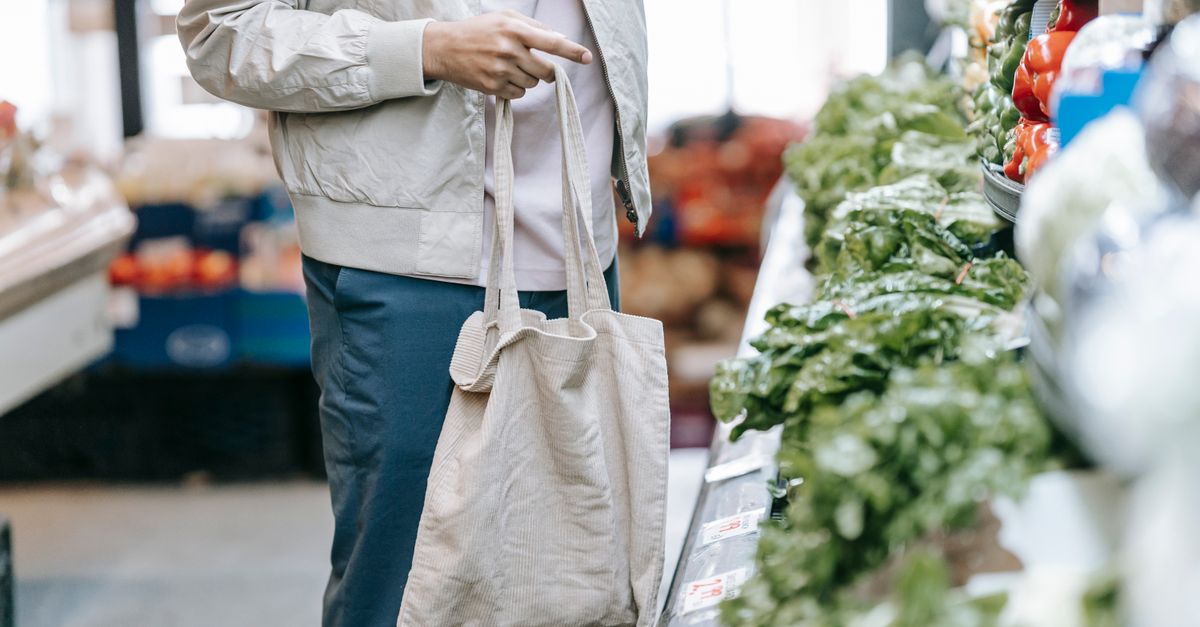
The status quo is defined by high-frequency, low-volume shopping. In this model, the grocery store serves as the household’s pantry. While convenient, this approach carries a high risk of nutritional interruption. When supply chains falter, those in this model are the first to experience shortages and price spikes. Furthermore, this model encourages the consumption of ultra-processed foods designed for shelf-life rather than biological value. While many focus on the biological outcomes, such as rebuilding your gut health through whole foods, the underlying logistics are what make those outcomes sustainable.
The Subscription-Based Model (The Bridge)
This model involves direct-to-consumer contracts, such as Community Supported Agriculture (CSA) or meat-share subscriptions. It provides a more stable supply by bypassing the traditional retail middleman. However, it still lacks a personal inventory buffer. If the producer faces a localized crop failure, the consumer remains vulnerable. It is a necessary step toward food sovereignty, but it is not the destination.
The Sovereign Buffer Strategy (The Goal)
The Sovereign Buffer Strategy is the pinnacle of the Food Revolution. In this model, you architect a personal food ecosystem that includes at least three months of high-nutrient, stable inputs. This is not about survivalism: it is about systemic efficiency. By purchasing bulk ingredients and mastering preservation, you decouple your daily nutrition from daily market fluctuations. This approach reduces cognitive load, lowers the average cost-per-nutrient, and secures your energy supply against external shocks.
- Pros: Maximum price stability, guaranteed nutrient density, zero decision fatigue during shortages.
- Cons: Requires initial storage space and a higher degree of systemic literacy.
- Recommendation: High-performers should aim for a 70/30 hybrid, where 70% of calories come from a sovereign buffer and 30% from fresh, seasonal subscriptions.
Section 2: When to Use What: A Decision-Architecture for Sourcing
Navigating the Food Revolution requires knowing which sourcing strategy to apply to specific categories of nourishment. Not every food item requires a sovereign buffer, and not every item is suitable for bulk sourcing. This contextual guidance helps you allocate your resources for maximum resilience. Effective systems are built on the behavioral architecture of kitchen transformation, ensuring that the physical environment supports the logistical plan.
Category 1: Metabolic Foundations (The Sovereign Buffer)
These are your calorie-dense, shelf-stable staples: grains, legumes, fats, and dried proteins. These should never be purchased on a just-in-time basis. If you find yourself buying rice or olive oil weekly at a retail outlet, you are leaking biological capital through price volatility and logistical friction. Use the Sovereign Buffer Strategy here. Buy in bulk from wholesalers or direct producers and store them in low-oxygen environments.
Category 2: Micronutrient Catalysts (The Subscription Model)
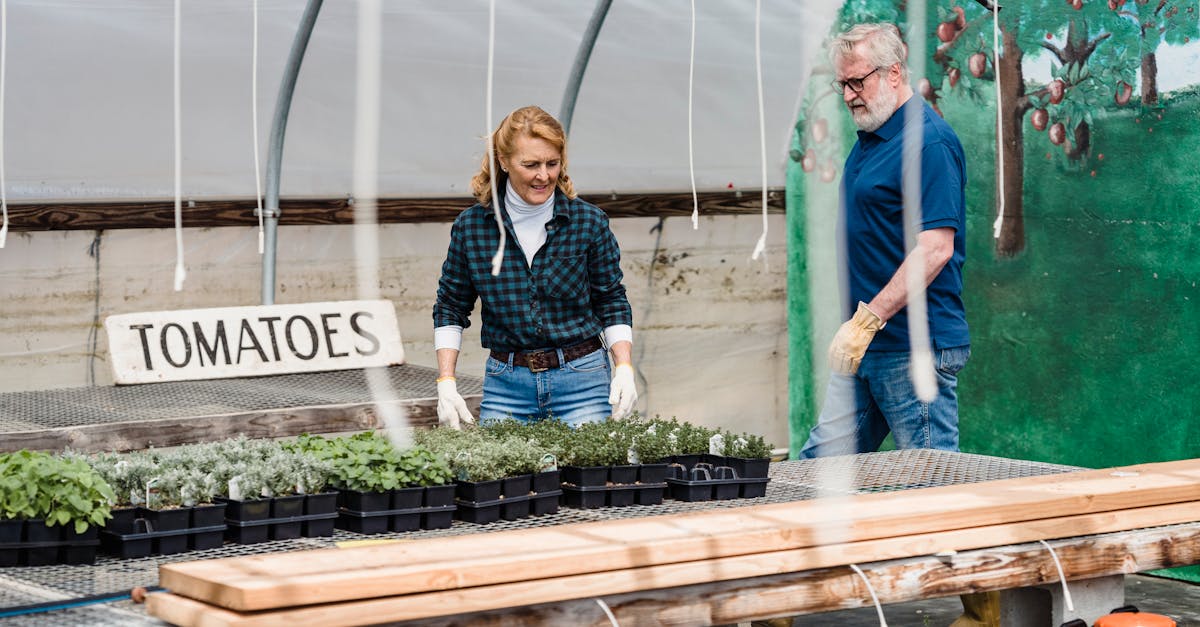
Fresh greens, seasonal fruits, and specialty items are best sourced through the Subscription-Based Model. These items are the catalysts for metabolic efficiency, but they do not store well for long periods without industrial intervention. By subscribing to a local CSA, you ensure a steady flow of high-vibrancy nutrients while supporting the resilience of your local food web.
Category 3: The Perishable Exceptions (The Retail Model)
Items like highly specific spices, fermented cultures, or occasional delicacies can remain in the Retail Model. The goal is to shrink this category until it accounts for less than 10% of your total nutritional volume. This reduces your exposure to the retail environment, which is designed to trigger impulsive, low-quality decisions.
The Logistics Decision Tree
- Is the item shelf-stable for more than 6 months? If yes, move to Sovereign Buffer (Bulk Wholesaler).
- Is the item a fresh seasonal requirement? If yes, move to Subscription (Local CSA).
- Is the item a non-essential delicacy? If yes, move to Retail (Occasional Purchase).
Section 3: The Hybrid Resilience Strategy: Integrating Digital and Physical Systems
The most advanced practitioners of the Food Revolution do not choose between traditional wisdom and modern technology. Instead, they use a hybrid strategy that combines physical food storage with digital supply chain management. This approach maximizes impact while minimizing the time required to maintain the system.
Pillar 1: Digital Inventory Management
You cannot manage what you do not measure. Use a simple digital spreadsheet or dedicated inventory app to track your sovereign buffer. Every item should have a “Par Level”: a minimum quantity that triggers a reorder. For example, if your par level for extra virgin olive oil is two gallons, the moment you open the second-to-last gallon, you trigger a bulk order. This ensures you never run out of metabolic foundations and never have to pay a retail premium during a shortage.
Pillar 2: Direct-to-Producer Relationships
The digital layer of the Food Revolution allows you to build direct relationships with producers anywhere in your region. Use digital marketplaces to find farmers who practice regenerative agriculture. By removing the retail layer, you often get a 20% to 30% discount on higher-quality food. More importantly, you build a social layer of resilience. In a crisis, producers prioritize their direct subscribers over anonymous wholesalers.
Pillar 3: The Low-Entropy Kitchen Architecture
Once you have the food, you must ensure it remains viable. This involves the systematic use of low-entropy storage: vacuum sealing, mylar bags with oxygen absorbers, and temperature-controlled environments. A resilient kitchen is organized logically: older stock is used first, and new stock is rotated behind it. This First-In, First-Out (FIFO) system is a professional standard that prevents waste and ensures you are always consuming the highest possible nutrient density.
Step-by-Step Integration Plan:
- Phase 1 (Week 1): Perform a digital audit of your current pantry. Identify the top five items you consume most frequently.
- Phase 2 (Week 2): Source these top five items in bulk from a non-retail source. Establish your first sovereign buffer.
- Phase 3 (Month 1): Set up a digital reorder system for these items. Research one local CSA subscription for seasonal produce.
- Phase 4 (Quarter 1): Expand your buffer to include a three-month supply of metabolic foundations. Master one low-entropy storage technique.
Scenario: The Disruptive Event
Imagine a scenario where a regional transport strike or a global logistics failure empties local retail shelves for 14 days. The person in the status quo model faces immediate stress, high costs, and nutritional compromise. The practitioner of the Food Revolution notices no change in their daily routine. Their sovereign buffer provides the stability needed to remain focused on their professional and personal goals while the market settles. This is the ultimate proof of the hybrid strategy: it provides the gift of time and clarity when everyone else is in chaos.
FAQ Section: Navigating the Logistics of Food Sovereignty
How much space do I need for a sovereign buffer?
A surprising amount of food can be stored in a very small footprint. A three-month supply of core grains and legumes for one person typically fits into two or three five-gallon buckets. By using vertical storage and under-bed bins, even those in small urban apartments can participate in the Food Revolution. The key is to prioritize nutrient-dense, compact staples over bulky, low-nutrient convenience foods.
Is bulk sourcing actually cheaper if I factor in the time spent?
Yes. While there is an initial time investment in setting up your sourcing relationships and inventory system, the long-term savings are massive. You eliminate the 15 to 20 weekly trips to the grocery store, which typically consume 30 to 60 minutes each. Over a year, this saves you roughly 50 hours of logistical labor. When you combine this with the 20% average cost reduction of bulk sourcing, the ROI on your Food Revolution systems is among the highest you can achieve in life management.
What happens if the power goes out? Will I lose my buffer?
This is why the Food Revolution prioritizes dry, shelf-stable foundations over frozen goods. While a freezer is a useful component for Category 2 items, your metabolic foundations should be stored in a way that requires zero energy to maintain. Grains, beans, oils, and salt are inherently resilient to power outages. A truly sovereign buffer is energy-independent.
How do I handle food fatigue while eating from a sovereign buffer?
This is where Category 3 and culinary skill come into play. Your sovereign buffer provides the metabolic foundations, while your seasonal subscriptions and a library of high-quality spices provide variety. The Food Revolution teaches you to see food as a system of components rather than a series of pre-made meals. When you have the foundational skills to transform bulk inputs into diverse flavors, food fatigue becomes a non-issue.
Conclusion: Reclaiming Your Biological Agency
The Food Revolution is a transition from being a passenger in the industrial food system to becoming the pilot of your own nutritional destiny. By moving away from a fragile retail-dependency and toward a resilient hybrid of sovereign buffers and direct subscriptions, you secure your most vital assets: your energy, your focus, and your long-term health. The systemic shifts happening in the world require a corresponding shift in our personal logistics. True sovereignty is not found in fleeing society, but in mastering the systems that sustain it.
3 Actionable Takeaways:
- Perform a Supply Audit: Identify your top three dietary staples and find a bulk, non-retail source for them this week.
- Establish Your Par Levels: Create a simple digital log of your current food inventory and set minimum levels that trigger a reorder.
- Secure the Blueprint: Use a structured framework to integrate these systems into your life without the trial-and-error of self-discovery.