
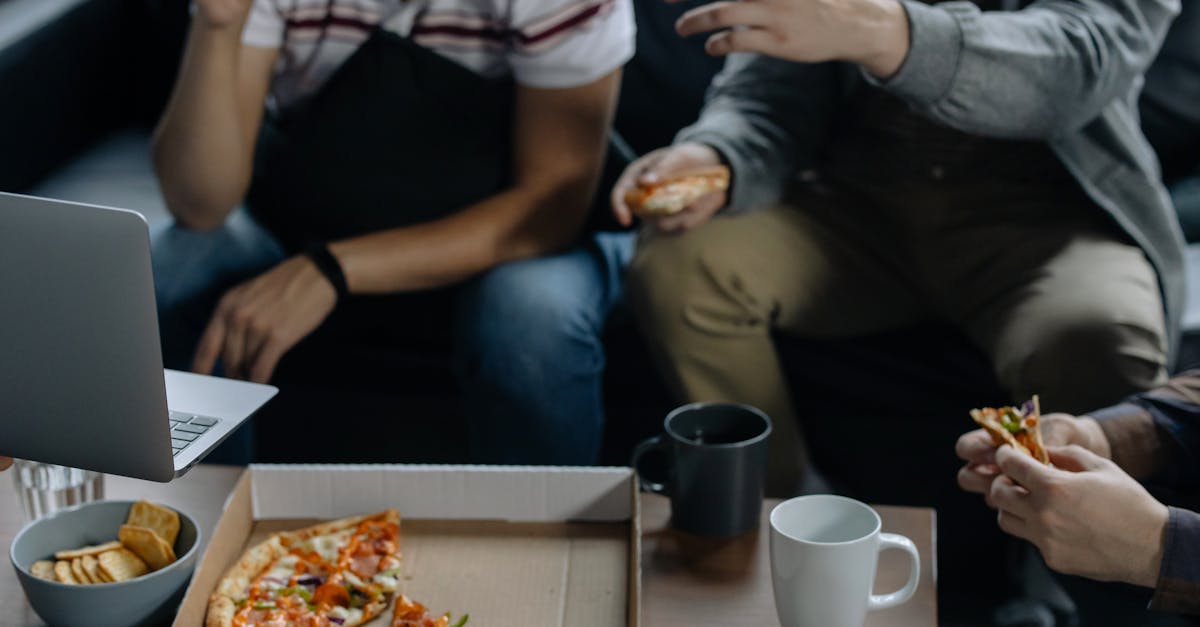
Food Revolution: Building Community Through Shared Meals and Food Activism
What if the most powerful tool for transforming our food system was already sitting in your kitchen? According to a 2023 study by the Food Policy Research Center, communities with active food sharing networks report 47% higher rates of sustainable eating practices compared to those without organized food initiatives. The food revolution is not happening in corporate boardrooms or government offices. It is happening at kitchen tables, community gardens, and neighborhood potlucks across the country.
This article explores a dimension of the food revolution that rarely gets attention: the social architecture of eating. While most conversations about food transformation focus on individual choices, the real leverage point lies in collective action and community building. You will discover how to become a catalyst for change in your own neighborhood, learn frameworks for organizing food-centered gatherings that create lasting impact, and understand why the future of healthy eating depends on rebuilding our social connections around food.
By the end of this guide, you will have a concrete roadmap for launching your own food revolution initiative, whether that means starting a neighborhood cooking club, organizing a community meal program, or becoming an advocate for local food policy change. The transformation you seek begins not with what you eat alone, but with whom you share your table.
The Isolation Crisis: Why Solo Eating Undermines the Food Revolution
The statistics paint a troubling picture. Research from the American Journal of Clinical Nutrition reveals that 46% of American adults eat most meals alone. This isolation has profound consequences that extend far beyond loneliness. When we eat in isolation, we lose the social accountability, shared knowledge, and collective motivation that historically drove healthy eating patterns across cultures.
Consider what happens when someone attempts dietary change in isolation. They face every challenge alone: the temptation of convenience foods, the learning curve of new cooking techniques, the discouragement when results come slowly. Without a supportive community, most people abandon their food revolution within six weeks. The failure rate for solo dietary transformation hovers around 80%, according to behavioral nutrition research.
Contrast this with community-supported change. When people transform their eating habits within a supportive group, success rates climb dramatically. A 2022 study tracking 1,200 participants found that those who joined food-focused community groups maintained their dietary improvements at three times the rate of solo changers. The difference was not willpower or knowledge. It was connection.
The hidden cost of eating alone extends to our food system itself. Isolated consumers make purchasing decisions based on convenience and price, with little consideration for sourcing, sustainability, or community impact. When we eat together, conversations naturally turn to where food comes from, how it was produced, and what alternatives exist. Community eating creates informed consumers who drive demand for better food options.
But there is a better way. The food revolution gains momentum when we shift from individual consumption to collective participation. The frameworks that follow will show you exactly how to build this social infrastructure in your own community.
The Community Food Revolution Framework: Five Pillars of Collective Change
After studying successful food movements across three continents, researchers have identified five consistent elements that distinguish thriving food communities from those that fizzle out. This framework provides a blueprint for anyone ready to catalyze change in their neighborhood.
Pillar One: The Anchor Gathering
Every successful food revolution community has a regular, predictable gathering that serves as its heartbeat. This is not a one-time event but a recurring ritual that people can count on and build their schedules around.
Principle: Consistency creates culture. When people know that every Sunday evening or every second Thursday brings a community food event, they begin to orient their lives around it. The gathering becomes a social anchor that reinforces food values week after week.
Action: Establish a monthly potluck with a rotating theme. Each month focuses on a different aspect of the food revolution: local sourcing, traditional preservation techniques, plant-forward cooking, zero-waste meal preparation, or heritage recipes from community members’ backgrounds.
Example: The Riverside Supper Club in Portland started with eight neighbors meeting monthly in 2019. By establishing a consistent third-Saturday gathering, they grew to 45 regular participants within two years. Their anchor gathering spawned three spin-off initiatives: a bulk buying cooperative, a community garden plot, and a cooking skills exchange program.
Pillar Two: The Knowledge Exchange
Food knowledge has traditionally passed through generations and communities. The industrialization of food disrupted this transmission, leaving many people without basic cooking skills or food literacy. Rebuilding these knowledge networks is essential to the food revolution.
Principle: Everyone has something to teach and something to learn. The grandmother who knows traditional fermentation techniques, the young professional who has mastered meal prep efficiency, the immigrant neighbor with recipes from another food culture: each person holds valuable knowledge that benefits the community.
Action: Create a skills inventory within your food community. Survey members about what they can teach and what they want to learn. Match teachers with learners for one-on-one sessions or small group workshops.
Example: A neighborhood in Minneapolis created a “Food Skills Bank” where members deposit their expertise and withdraw learning opportunities. One retired chef offered knife skills classes in exchange for learning Korean fermentation from a neighbor. Within one year, the network had facilitated over 200 skill exchanges, dramatically raising the collective food literacy of the community.
Pillar Three: The Supply Chain Connection
Individual consumers have limited power to influence food production. Organized communities can reshape local food systems. This pillar focuses on building direct relationships between eaters and growers.
Principle: When communities buy together, they gain negotiating power and create viable markets for sustainable producers. A single family cannot support a local farm, but fifty families buying together can transform a farmer’s business model.
Action: Organize a buying club that aggregates orders from community members. Approach local farmers, ranchers, and food producers about bulk purchasing arrangements. Start with one product category and expand as systems mature.
Example: The Eastside Food Collective in Austin began by coordinating monthly bulk orders from a single vegetable farm. Three years later, they manage relationships with twelve local producers, process over $15,000 in monthly orders, and have helped two new farms become financially viable by guaranteeing consistent demand.
Pillar Four: The Advocacy Engine
Personal food choices matter, but policy shapes the food environment for everyone. Effective food revolution communities engage with local governance to create systemic change.
Principle: Organized voices influence policy. City councils, school boards, and zoning committees make decisions every month that affect food access, urban agriculture, and community food infrastructure. Communities that show up consistently gain influence.
Action: Identify three local policy issues that affect your food community. Assign a point person to track each issue and alert the group when public comment opportunities arise. Commit to having at least five community members present at relevant public meetings.
Example: A food community in Denver successfully advocated for revised zoning laws that allow front-yard vegetable gardens and small-scale egg production in residential areas. Their consistent presence at city council meetings over eighteen months, combined with a petition signed by 400 residents, convinced officials to modernize outdated regulations.
Pillar Five: The Celebration Cycle
Sustainable movements require joy. The food revolution cannot survive on obligation and guilt alone. Communities that thrive build celebration into their annual rhythm.
Principle: Seasonal celebrations connect people to natural food cycles and create memorable experiences that strengthen community bonds. These events become traditions that people anticipate and protect.
Action: Establish four annual celebrations aligned with seasonal food milestones: a spring planting festival, a summer harvest feast, an autumn preservation party, and a winter comfort food gathering. Make each event distinctive and memorable.
Example: A neighborhood in Seattle hosts an annual “Tomato Day” in late August when community members gather to process the summer tomato harvest together. Over one weekend, they collectively can 500 jars of sauce, salsa, and whole tomatoes. The event has become so popular that families plan vacations around it, and the waiting list for participation grows each year.
Ready to launch your own food revolution? The complete system for transforming your relationship with food, including detailed frameworks, meal planning strategies, and community building templates, is available in one comprehensive resource. Get Food Revolution on Amazon and access the tools you need to become a catalyst for change in your community.
From Theory to Table: A 30-Day Community Food Revolution Launch Plan
Understanding the framework is one thing. Implementing it requires a concrete action plan. The following 30-day roadmap will take you from concept to functioning food community.
Week One: Foundation Building (Days 1 through 7)
Day 1 through 2: Define Your Vision
Write a one-paragraph description of the food community you want to create. Be specific about values, activities, and the change you hope to see. This vision statement will guide every decision that follows.
Day 3 through 4: Identify Your Core Team
You cannot build a community alone. Identify three to five people who share your vision and have complementary skills. Look for someone organized, someone social, someone with cooking expertise, and someone connected to local food producers.
Day 5 through 7: Map Your Resources
Survey your neighborhood for existing food assets: community gardens, farmers markets, food-focused businesses, cooking schools, faith communities with kitchen facilities. These resources will support your initiatives.
Week Two: Outreach and Invitation (Days 8 through 14)
Day 8 through 10: Craft Your Invitation
Write a compelling invitation to your first gathering. Focus on what participants will gain: connection, skills, better food, community belonging. Avoid language that sounds preachy or judgmental about current eating habits.
Day 11 through 14: Spread the Word
Use multiple channels to reach potential participants. Post in neighborhood social media groups, put flyers at local coffee shops and libraries, ask your core team to personally invite friends. Aim for 15 to 20 confirmed attendees for your launch event.
Week Three: First Gathering Preparation (Days 15 through 21)
Day 15 through 17: Plan the Experience
Design your first gathering to be welcoming, engaging, and memorable. Include a shared meal, a brief presentation of your vision, and structured conversation time for participants to connect. Prepare name tags and a sign-up sheet for ongoing involvement.
Day 18 through 21: Handle Logistics
Secure your venue, confirm food contributions, prepare any materials needed, and send reminder messages to all confirmed attendees. Have a backup plan for weather or last-minute changes.
Week Four: Launch and Momentum (Days 22 through 30)
Day 22: Host Your Launch Gathering
Execute your first event with energy and warmth. Document the gathering with photos. Collect contact information and interest surveys from all participants. End with a clear announcement of your next gathering date.
Day 23 through 25: Follow Up
Send thank-you messages to all attendees within 48 hours. Share photos and highlights. Remind everyone of the next gathering. Personally reach out to anyone who expressed strong interest in leadership roles.
Day 26 through 30: Plan Your Second Month
Based on feedback and interest surveys, plan your second gathering and any additional initiatives. Begin implementing the five pillars based on community interest and available resources.
Common Mistakes That Derail Food Revolution Communities
Learning from others’ failures accelerates your success. These pitfalls have undermined countless food community initiatives.
Mistake One: Perfectionism Paralysis
Some organizers wait until everything is perfect before launching. They want the ideal venue, the perfect menu, the complete program. Meanwhile, momentum fades and potential participants lose interest. Launch with “good enough” and improve as you go.
Mistake Two: Preaching Instead of Inviting
Nothing kills a food community faster than judgment. When gatherings feel like lectures about what people should eat, attendance drops rapidly. Focus on positive experiences and let transformation happen naturally through exposure and connection.
Mistake Three: Founder Dependency
If one person does everything, the community collapses when that person burns out or moves away. Distribute leadership from the beginning. Create roles and responsibilities that multiple people can fill.
Mistake Four: Ignoring Accessibility
Food communities often unintentionally exclude people through timing, location, cost, or cultural assumptions. Regularly assess who is not showing up and why. Adjust to welcome diverse participants.
Mistake Five: Neglecting the Social Element
Some food communities become so focused on education or activism that they forget to be fun. People join for connection as much as for food knowledge. Protect time for unstructured socializing at every gathering.
Measuring Impact: How to Know Your Food Revolution Is Working
Effective communities track their progress. These metrics help you understand whether your efforts are creating real change.
Participation Metrics:
- Number of regular participants (attending at least monthly)
- New member acquisition rate
- Retention rate over six months
- Diversity of participants across age, background, and experience level
Engagement Metrics:
- Number of skill exchanges facilitated
- Volunteer hours contributed
- Spin-off initiatives launched
- Leadership roles filled by non-founders
Impact Metrics:
- Dollars redirected to local food producers
- Policy changes influenced
- Food skills learned by participants
- Self-reported changes in eating patterns
Survey your community quarterly to gather qualitative feedback. Ask what is working, what could improve, and what new initiatives people want to see. This data guides your evolution.
Frequently Asked Questions About Building Food Revolution Communities
How many people do I need to start a food revolution community?
You can launch with as few as five committed participants. Research on community formation suggests that groups between eight and fifteen people offer the ideal balance of diversity and intimacy for early-stage food communities. As your community matures, you can grow to larger numbers while maintaining connection through smaller sub-groups focused on specific interests like fermentation, gardening, or advocacy.
What if I am not an expert cook or food activist?
Expertise is not required to build community. Your role is to convene and facilitate, not to teach everything yourself. The most successful food community organizers are connectors who bring together people with diverse skills. Your enthusiasm and organizational ability matter more than your cooking credentials. As your community grows, experts will emerge from within the group.
How do I handle disagreements about food philosophy within the community?
Food beliefs can be deeply held and emotionally charged. Establish early that your community welcomes diverse approaches and does not prescribe one “right” way to eat. Focus on shared values like connection, sustainability, and skill-building rather than specific dietary rules. When conflicts arise, redirect conversations toward common ground and mutual respect. Some communities create explicit guidelines that prohibit food shaming or unsolicited dietary advice.
What is the best way to sustain momentum after the initial excitement fades?
The enthusiasm of launch events naturally diminishes over time. Sustain momentum through consistent scheduling, varied programming, and distributed leadership. Introduce new initiatives every quarter to maintain freshness. Celebrate milestones and member achievements publicly. Create traditions that people anticipate. Most importantly, regularly remind participants of the impact they are creating together, both in their own lives and in the broader food system.
Your Food Revolution Starts Now: Three Actions for This Week
The food revolution does not require waiting for perfect conditions or complete knowledge. It requires action. Here are three concrete steps you can take in the next seven days to begin building your food community.
- Identify your first three allies. Think of three people in your life who care about food, community, or both. Reach out this week to share your vision and gauge their interest in co-creating something meaningful. These conversations will refine your ideas and build your founding team.
- Scout your first venue. Where could your community gather? A backyard, a community center, a church fellowship hall, a park pavilion? Visit at least two potential locations this week and assess their suitability for food-centered gatherings.
- Set your launch date. Choose a specific date for your first gathering, ideally four to six weeks from now. Put it on your calendar. Announce it to your potential allies. A concrete date transforms vague intentions into real commitments.
The food revolution is not a solo journey. It is a collective movement that gains power through connection, shared knowledge, and community action. Every thriving food community started with one person who decided to bring people together around a table. That person can be you.
For a comprehensive guide to transforming your relationship with food, including detailed meal planning frameworks, mindset strategies, and practical tools for sustainable change, explore Food Revolution on Amazon. This resource provides the foundation you need to lead your community toward a healthier, more connected future with food.
The table is set. The invitation is open. Your food revolution begins today.
