
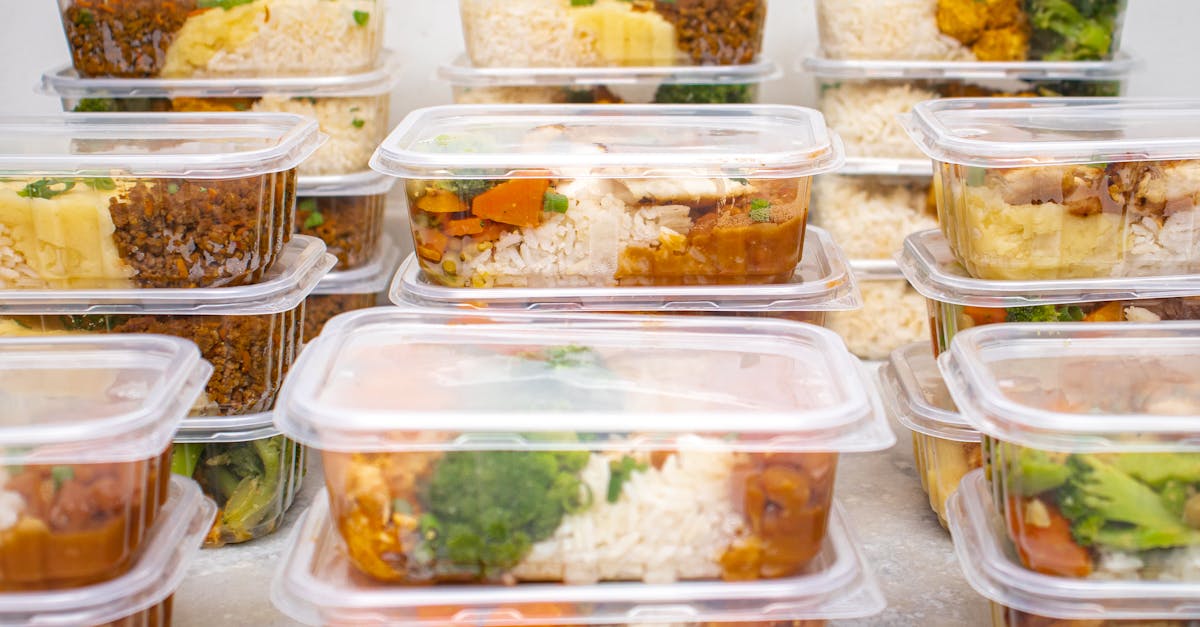
Food Revolution: Master Meal Prep for a Healthier Life
What if the biggest obstacle between you and lasting health transformation is not willpower, motivation, or even knowledge, but simply the Sunday afternoon you never planned? According to a 2023 study published in the International Journal of Behavioral Nutrition, individuals who consistently meal prep are 64% more likely to maintain healthy eating habits over a 12 month period compared to those who rely on spontaneous food decisions.
The food revolution happening in kitchens across the world is not about exotic superfoods or complicated diet protocols. It is about reclaiming control over what enters your body through strategic preparation. This article will show you exactly how to build a sustainable meal prep system that fits your lifestyle, saves you money, and transforms your relationship with food permanently.
By the end of this guide, you will have a complete framework for weekly meal preparation, understand the science behind why batch cooking works for long term health, and possess actionable strategies you can implement this weekend. Whether you are a busy professional, a parent juggling multiple schedules, or someone simply tired of the nightly “what should I eat” dilemma, this food revolution approach will change how you think about nourishment.
The Moment Everything Changed: A Kitchen Transformation Story
Sarah, a 42 year old marketing director, stood in her kitchen at 7:30 PM on a Tuesday, staring at an empty refrigerator. For the third time that week, she ordered takeout. The delivery arrived 45 minutes later: cold, overpriced, and leaving her feeling sluggish the next morning. Her doctor had warned her about rising cholesterol. Her energy levels had been declining for months. She knew something had to change.
The turning point came not from a dramatic health scare, but from a simple observation. Her colleague, who seemed to have boundless energy and rarely complained about afternoon slumps, brought the same glass containers to work every day. Curious, Sarah asked about her secret.
“I spend three hours on Sunday preparing everything,” her colleague explained. “The rest of the week, I just grab and go. I have not ordered delivery in eight months.”
That conversation sparked Sarah’s personal food revolution. Within six weeks of implementing a structured meal prep routine, she reported sleeping better, losing seven pounds without counting calories, and saving over $400 monthly on food expenses. Her story is not unique. It represents a growing movement of people discovering that the path to better health runs directly through their own kitchens.
Why Spontaneous Eating Fails Most People
The human brain makes approximately 35,000 decisions daily. By evening, decision fatigue sets in, and the prefrontal cortex, responsible for rational choices, essentially goes offline. This is precisely when most people decide what to eat for dinner. The result? We default to convenience, which in modern food environments typically means processed, calorie dense, nutrient poor options.
Meal preparation removes food decisions from the danger zone of evening fatigue. When healthy options are already prepared and waiting, choosing well requires zero willpower. This is not about discipline. It is about designing an environment where good choices become automatic.
The Food Revolution Prep Framework: Three Pivotal Shifts
Successful meal prep is not about spending entire weekends in the kitchen or eating the same bland chicken breast for seven days straight. The following framework represents three fundamental shifts that separate sustainable meal preppers from those who try once and abandon the practice.
Shift One: From Recipes to Components
Traditional cooking focuses on complete recipes: a specific dish with exact ingredients combined in precise ways. Component based meal prep flips this approach entirely. Instead of preparing five different dinners, you prepare five categories of ingredients that can combine in dozens of ways.
The Five Component Categories:
- Proteins: Grilled chicken thighs, baked salmon portions, seasoned ground turkey, hard boiled eggs, marinated tofu
- Complex Carbohydrates: Quinoa, brown rice, roasted sweet potatoes, whole grain pasta, farro
- Vegetables: Roasted broccoli, sauteed spinach, raw bell pepper strips, steamed green beans, massaged kale
- Flavor Builders: Homemade dressings, spice blends, pickled onions, herb oils, nut based sauces
- Quick Additions: Washed greens, cherry tomatoes, avocados, nuts, seeds, cheese portions
With three options in each category, you create over 200 possible meal combinations. Monday’s lunch might be chicken over quinoa with roasted broccoli and tahini dressing. Tuesday uses the same chicken over greens with sweet potato and herb oil. Same prep session, completely different eating experiences.
Action Step: This weekend, choose two proteins, two carbohydrates, and three vegetables. Prepare all of them in one session. Spend the week experimenting with combinations before expanding your component library.
Shift Two: From Time Blocks to Batch Zones
Most meal prep advice suggests dedicating a single large time block, typically Sunday afternoon, to all preparation. This works for some people but fails for many others. Life interrupts. Schedules shift. One missed Sunday derails an entire week.
The batch zone approach distributes preparation across multiple shorter sessions, each focused on a specific type of cooking.
Zone One: The Passive Cook (30 minutes active, 60 minutes total)
This zone handles items that cook themselves: grains in a rice cooker, proteins in the oven, eggs in boiling water. You set timers and walk away. Many people complete this zone on Sunday morning while doing other household tasks.
Zone Two: The Active Prep (45 minutes)
This zone covers washing, chopping, and portioning raw ingredients. It also includes making dressings and sauces. Some people prefer doing this immediately after grocery shopping on Saturday, while produce is freshest.
Zone Three: The Quick Cook (20 minutes)
This zone handles items best prepared fresh or that take minimal time: sauteed vegetables, quick proteins like fish, or assembling grain bowls. Many successful meal preppers do this zone twice weekly, on Sunday and Wednesday evenings.
Result: Instead of one intimidating three hour session, you have three manageable zones totaling roughly two hours, spread across multiple days. Miss one zone? The others still provide substantial support for healthy eating.
Shift Three: From Perfection to Progression
The biggest meal prep killer is not lack of time or cooking skill. It is the pursuit of perfection. People watch elaborate meal prep videos featuring color coordinated containers, restaurant quality presentations, and 15 different dishes. They attempt to replicate this immediately, become overwhelmed, and quit.
The progression approach starts embarrassingly simple and builds complexity only after consistency is established.
Week One through Two: The Minimum Viable Prep
Prepare exactly one protein and one grain. That is it. Even this minimal effort means you have the foundation for quick, healthy meals available all week. Success at this level builds confidence and reveals your natural prep rhythm.
Week Three through Four: Add Vegetables
Introduce two prepared vegetable options. Notice how meal assembly becomes faster and more satisfying with additional components.
Week Five through Six: Introduce Flavor Builders
Make one homemade dressing or sauce. This single addition transforms repetitive ingredients into varied, exciting meals.
Week Seven and Beyond: Expand and Experiment
Only after establishing consistent habits do you add complexity: new proteins, international flavor profiles, breakfast prep, snack preparation.
Common Mistake Alert: Attempting to prep breakfast, lunch, dinner, and snacks in your first week virtually guarantees burnout. Start with one meal category. Master it. Then expand.
Want the complete system for transforming your eating habits? The strategies in this article represent just a fraction of what is possible when you commit to a true food revolution. For the full framework, including shopping lists, prep schedules, and 90 days of meal combinations, get the complete guide: Food Revolution on Amazon.
Your Turn: The 7 Day Food Revolution Challenge
Theory without action changes nothing. The following challenge provides a day by day roadmap for implementing your first successful meal prep week. Each day requires 30 minutes or less of active effort.
Day One (Saturday): The Audit
Open your refrigerator and pantry. Remove everything expired. Note what you actually have. Check your calendar for the upcoming week: Which days will you eat at home? Which meals matter most? For most people, weekday lunches and dinners represent the highest impact targets.
Your Win: A clear picture of your current food situation and a realistic assessment of which meals need preparation support.
Day Two (Sunday): The Foundation Prep
Purchase and prepare your minimum viable prep: one protein, one grain. Suggested starting point: bake two pounds of chicken thighs seasoned with salt, pepper, and garlic powder (25 minutes at 425 degrees). Cook two cups of quinoa or rice according to package directions.
Your Win: The core building blocks for five days of meals, completed in under one hour.
Day Three (Monday): The First Test
Assemble your first prepped meal. Notice how quickly lunch or dinner comes together when protein and grain are ready. Add whatever fresh vegetables or toppings you have available. Pay attention to what you wish you had prepared.
Your Win: Proof of concept. You ate a healthy, home prepared meal with minimal day of effort.
Day Four (Tuesday): The Observation
Continue eating from your prep. Journal briefly: What worked? What felt boring? What would make tomorrow’s meal better? This reflection shapes your future prep sessions.
Your Win: Data about your personal preferences and patterns.
Day Five (Wednesday): The Refresh
If your vegetables are running low or you want variety, spend 15 minutes on a mini prep session. Wash and chop raw vegetables for snacking. Saute a quick batch of greens. Make a simple vinaigrette by combining olive oil, vinegar, mustard, and salt in a jar.
Your Win: Extended variety without a full prep session. Proof that small efforts compound.
Day Six (Thursday): The Momentum
By now, you have eaten multiple healthy meals with minimal daily effort. Notice your energy levels. Notice the money saved. Notice the mental space freed from constant food decisions.
Your Win: Tangible benefits that motivate continued practice.
Day Seven (Friday): The Planning
Before the weekend arrives, decide what you will prep next week. Will you repeat the same items for consistency? Add one new component? Try a different protein? Write a simple shopping list.
Your Win: A plan for week two, transforming a single experiment into an emerging habit.
Advanced Strategies for Sustained Success
Once the basic framework becomes automatic, typically after four to six weeks of consistent practice, these advanced strategies elevate your food revolution to the next level.
The Freezer Extension System
Not everything needs to be fresh. Certain prepared items freeze exceptionally well, extending your prep investment across multiple weeks:
- Cooked grains: Portion into single servings, freeze flat in bags, reheat directly from frozen
- Marinated raw proteins: Freeze in marinade, thaw overnight, cook fresh for better texture
- Soups and stews: Make double batches, freeze half for future weeks
- Breakfast items: Egg muffins, overnight oat portions, and smoothie packs all freeze well
A well stocked freezer serves as insurance against weeks when fresh prep does not happen. You always have healthy backup options available.
The Flavor Rotation Calendar
Boredom kills more meal prep routines than time constraints. Combat monotony by assigning flavor themes to different weeks:
- Week One: Mediterranean (lemon, olive oil, oregano, feta, olives)
- Week Two: Asian inspired (soy sauce, ginger, sesame, rice vinegar)
- Week Three: Mexican influenced (cumin, lime, cilantro, black beans)
- Week Four: Classic American (herbs, mustard, simple roasted flavors)
The same chicken and vegetables taste completely different with Mediterranean versus Asian seasonings. Rotation prevents palate fatigue while keeping prep routines consistent.
The Social Prep Strategy
Meal prep does not have to be solitary. Many people find success by:
- Prepping with a partner or roommate, dividing tasks and sharing results
- Joining online meal prep communities for accountability and inspiration
- Hosting monthly prep parties where friends gather to batch cook together
- Sharing successful combinations on social media for external motivation
Social connection transforms a chore into an enjoyable ritual.
Frequently Asked Questions About Meal Prep
How long does prepped food stay fresh in the refrigerator?
Most cooked proteins remain safe and palatable for four days when stored properly in airtight containers. Cooked grains last five to six days. Raw prepped vegetables, such as chopped peppers or washed greens, stay fresh for five to seven days. Dressings and sauces typically last one to two weeks. For optimal freshness, store proteins and grains separately from wet ingredients, combining only when ready to eat. If you need food to last longer than four days, freeze portions intended for later in the week.
What equipment do I actually need to start meal prepping?
The essential equipment list is shorter than most people assume. You need: a large sheet pan for roasting proteins and vegetables, a pot with lid for cooking grains, a sharp knife and cutting board, and a set of glass or BPA free plastic containers with secure lids. That is the complete starter kit. Helpful but not essential additions include a rice cooker or Instant Pot for hands off grain cooking, a food processor for quick vegetable chopping, and a salad spinner for drying greens. Avoid purchasing specialized gadgets until you have established consistent prep habits.
How do I meal prep if I get bored eating the same thing repeatedly?
The component based approach described in this article specifically addresses this concern. When you prepare ingredients rather than complete dishes, you create variety through combination rather than through preparing many different recipes. Additionally, the flavor rotation calendar ensures that even identical ingredients taste different week to week. Finally, remember that not every meal needs to come from prep. Many successful meal preppers handle 70 to 80 percent of their meals through preparation while leaving room for spontaneous cooking or occasional restaurant meals.
Can meal prep work for families with different dietary preferences?
Component based prep actually works better for families than recipe based cooking. When you prepare proteins, grains, and vegetables separately, each family member can assemble plates according to their preferences. The vegetarian family member skips the chicken and doubles the beans. The low carb family member skips the rice and adds extra vegetables. Children can choose familiar components while adults experiment with new flavor combinations. The same prep session serves everyone without requiring multiple complete meals.
Conclusion: Your Food Revolution Starts Now
The path to lasting health transformation is not paved with willpower, expensive supplements, or complicated diet rules. It is built in your kitchen, one prep session at a time. The food revolution is not about perfection. It is about progress, consistency, and designing an environment where healthy choices become the easy choices.
Three actionable takeaways to implement this week:
- Start with components, not recipes. Prepare one protein and one grain this weekend. Experience how this simple foundation transforms weeknight meals from stressful decisions into quick assemblies.
- Embrace progression over perfection. Your first prep session does not need to fill Instagram with beautiful container photos. It needs to provide you with healthy food for a few days. Build complexity only after consistency is established.
- Remove decisions from danger zones. When healthy food is already prepared and waiting, choosing well requires zero willpower. Design your environment for success rather than relying on motivation that fluctuates.
The strategies in this article provide a strong foundation, but they represent just the beginning of what is possible. For the complete system, including detailed shopping guides, prep day schedules, troubleshooting for common obstacles, and 90 days of meal combinations designed to prevent boredom, explore the full resource: Get Food Revolution on Amazon.
Your food revolution does not require a dramatic overhaul of your entire life. It requires one decision: to spend a few hours this weekend preparing food that will nourish you all week. Make that decision today. Your future self will thank you.
