
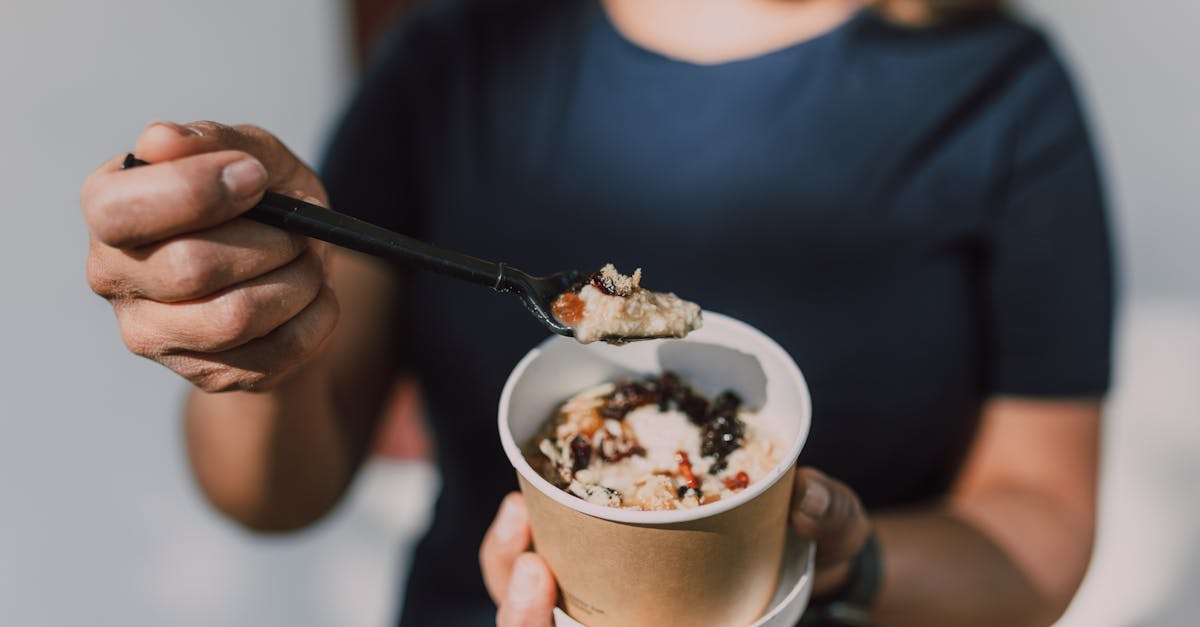
Food Revolution: Rebuild Your Gut Health Through Whole Foods
Did you know that 70% of your immune system resides in your gut? Recent research from the American Gut Project reveals that the average Western diet supports only 15 to 20 different bacterial species, while traditional diets in rural communities support over 1,000. This dramatic difference explains why digestive issues, autoimmune conditions, and chronic inflammation have reached epidemic proportions in developed nations.
The food revolution happening right now is not about another fad diet or calorie restriction. It is about fundamentally rebuilding the ecosystem inside your body through strategic whole food choices. When you understand how to feed your gut microbiome properly, you unlock benefits that extend far beyond digestion: improved mental clarity, stable energy levels, stronger immunity, and even better sleep quality.
This comprehensive guide will show you exactly how to transform your gut health through a whole foods approach. You will learn why conventional dietary advice has failed millions of people, discover a practical framework for rebuilding your microbiome, and receive a week by week implementation plan you can start immediately. By the end, you will understand how to create lasting changes that support your health for decades to come.
Why Conventional Dietary Approaches Fail Your Gut
Most dietary advice focuses on macronutrients: proteins, carbohydrates, and fats. While these matter, this approach completely ignores the trillions of microorganisms that determine how your body actually processes food. Here is why traditional methods fall short.
The Calorie Counting Trap
Calorie restriction diets treat all calories equally. However, 200 calories from processed crackers and 200 calories from fermented vegetables have completely different effects on your gut bacteria. The crackers feed harmful bacteria that promote inflammation, while fermented foods introduce beneficial bacteria and provide fiber that supports microbial diversity.
Studies from Stanford University demonstrate that identical calorie intakes produce vastly different metabolic outcomes depending on food quality. Participants eating whole foods showed:
- 40% greater bacterial diversity after 10 weeks
- Reduced inflammatory markers by an average of 25%
- Improved insulin sensitivity regardless of weight changes
- Better reported energy levels and mood stability
The Supplement Illusion
Many people attempt to fix gut issues by taking probiotic supplements. While these can provide temporary relief, they rarely create lasting change. Here is why: probiotic supplements typically contain 5 to 15 bacterial strains, while a healthy gut hosts over 1,000 different species. More importantly, these supplemental bacteria need proper food to survive and colonize your intestines.
Without changing your diet, probiotic bacteria pass through your system without establishing residence. You essentially flush money down the toilet while your underlying gut dysfunction continues.
The Speed Problem
Modern eating habits prioritize convenience over gut health. Fast food, processed snacks, and ready meals are designed for shelf stability and quick consumption, not microbial nourishment. These foods typically contain:
- Emulsifiers that damage the intestinal lining
- Artificial sweeteners that disrupt bacterial balance
- Refined ingredients stripped of fiber and nutrients
- Preservatives that inhibit beneficial bacterial growth
The result is a gut environment hostile to the very organisms you need for optimal health. No amount of willpower or calorie counting can overcome this fundamental problem.
The Gut Restoration Framework: A Four Phase Approach
Rebuilding your gut microbiome requires a systematic approach that addresses removal, repair, reinoculation, and rebalancing. This framework has helped thousands of people transform their digestive health and overall wellbeing.
Phase One: Remove Gut Disruptors
Before adding beneficial foods, you must stop actively harming your gut ecosystem. This phase typically lasts two to three weeks and focuses on eliminating the most damaging dietary elements.
Primary removal targets:
- Refined sugars: These feed harmful bacteria and yeast, creating imbalances that crowd out beneficial species. Replace with whole fruits that contain fiber to slow sugar absorption.
- Industrial seed oils: Canola, soybean, and corn oils promote inflammation and damage intestinal cells. Switch to olive oil, avocado oil, or coconut oil for cooking.
- Processed grains: White flour products lack the fiber and nutrients your gut bacteria need. Transition to whole grains or grain alternatives like quinoa and buckwheat.
- Artificial additives: Food colorings, preservatives, and artificial sweeteners disrupt bacterial communication and growth patterns.
During this phase, focus on simple whole foods: vegetables, fruits, quality proteins, and healthy fats. Do not worry about perfection. Aim for 80% compliance while your body adjusts.
Phase Two: Repair the Intestinal Lining
Years of poor dietary choices often damage the intestinal barrier, leading to increased permeability. This phase introduces specific foods that support gut lining repair.
Key repair foods:
- Bone broth: Rich in collagen, glycine, and glutamine that directly support intestinal cell regeneration. Consume one to two cups daily.
- Omega 3 rich fish: Salmon, sardines, and mackerel provide anti inflammatory fatty acids that reduce intestinal inflammation.
- Zinc rich foods: Pumpkin seeds, grass fed beef, and oysters supply zinc essential for tight junction maintenance.
- Vitamin A sources: Sweet potatoes, carrots, and liver support mucus production that protects the intestinal lining.
This phase overlaps with phase one and continues for four to six weeks. Many people notice reduced bloating, improved bowel regularity, and decreased food sensitivities during this period.
Phase Three: Reinoculate With Beneficial Bacteria
Now your gut environment is ready to receive and support beneficial bacteria. This phase introduces fermented foods and prebiotic fibers that establish a diverse microbiome.
Fermented food rotation:
- Week one: Start with small amounts of sauerkraut or kimchi, approximately one tablespoon with meals
- Week two: Add kefir or yogurt with live cultures, starting with quarter cup servings
- Week three: Introduce miso or tempeh for different bacterial strains
- Week four: Experiment with kombucha, water kefir, or other fermented beverages
Prebiotic fiber sources:
Prebiotics feed the beneficial bacteria you are introducing. Include these foods daily:
- Garlic and onions: contain inulin that specifically feeds Bifidobacteria
- Jerusalem artichokes: one of the richest prebiotic sources available
- Asparagus and leeks: provide diverse fiber types for multiple bacterial species
- Green bananas and plantains: contain resistant starch that reaches the large intestine intact
Want the complete gut restoration system? The Food Revolution book provides detailed meal plans, shopping lists, and 60 day protocols for transforming your health through strategic eating. Get your copy and start your transformation today: Get Food Revolution on Amazon
Phase Four: Rebalance for Long Term Health
The final phase establishes sustainable eating patterns that maintain your restored gut health indefinitely. This is not about strict rules but about building habits that naturally support microbial diversity.
The diversity principle:
Research shows that eating 30 or more different plant foods weekly dramatically improves gut bacterial diversity. This sounds challenging but becomes easy with proper planning:
- Count herbs and spices: basil, oregano, turmeric, and ginger all count toward your total
- Rotate vegetables weekly: do not eat the same salad every day
- Include different colored foods: each color represents different phytonutrients that feed different bacteria
- Try one new plant food weekly: expand your repertoire gradually
The timing principle:
Your gut bacteria follow circadian rhythms. Supporting these natural cycles improves digestive function:
- Eat larger meals earlier in the day when digestive enzymes peak
- Allow 12 to 14 hours between dinner and breakfast for gut repair
- Avoid eating within three hours of bedtime
- Maintain consistent meal times to regulate bacterial activity
Implementation: Your First Four Weeks
Theory means nothing without action. Here is exactly how to implement the gut restoration framework starting this week.
Week One: Assessment and Removal
Days one through three:
- Audit your pantry and refrigerator for gut disruptors
- Remove or relocate processed foods, refined sugars, and industrial oils
- Create a shopping list focused on whole foods
- Stock up on vegetables, quality proteins, and healthy fats
Days four through seven:
- Begin eating only whole foods for at least two meals daily
- Track your energy levels, digestion, and mood in a simple journal
- Notice which foods cause bloating or discomfort
- Drink adequate water: aim for half your body weight in ounces
Week Two: Repair Initiation
Daily additions:
- One cup of bone broth, either homemade or quality store bought
- One serving of omega 3 rich fish, at least three times this week
- One quarter cup of pumpkin seeds or two ounces of grass fed beef daily
- One orange vegetable serving for vitamin A
Meal structure example:
- Breakfast: vegetable omelet cooked in olive oil with sauteed greens
- Lunch: large salad with grilled salmon, olive oil dressing, and pumpkin seeds
- Dinner: bone broth soup with roasted vegetables and quality protein
Week Three: Fermentation Introduction
Start slowly:
Introducing fermented foods too quickly can cause temporary digestive discomfort as your gut adjusts. Begin with:
- One tablespoon of raw sauerkraut with lunch
- Increase to two tablespoons by day four
- Add a second fermented food by day six, such as plain kefir
- Notice any reactions and adjust quantities accordingly
Prebiotic additions:
- Include garlic or onion in at least one meal daily
- Add asparagus, leeks, or artichokes three times this week
- Try a green banana in your morning smoothie
Week Four: Diversity Expansion
The 30 plant challenge:
Track every different plant food you eat this week. Include:
- All vegetables and fruits
- Herbs, spices, and seasonings
- Nuts, seeds, and legumes
- Whole grains and pseudograins
Most people are surprised to find they eat fewer than 15 different plants weekly. Use this awareness to consciously expand your variety.
Fermented food rotation:
- Rotate between three to four different fermented foods
- Aim for two to three servings of fermented foods daily
- Experiment with new options like miso soup or tempeh
Expected Results and Realistic Timelines
Understanding what to expect helps you stay committed through the transformation process. Gut restoration is not instant, but the results are profound and lasting.
Weeks One Through Two: Initial Adjustments
During the first two weeks, you may experience:
- Temporary fatigue as your body adjusts to reduced sugar intake
- Mild headaches from processed food withdrawal
- Changes in bowel habits as fiber intake increases
- Possible increase in gas as gut bacteria shift
These symptoms typically resolve within seven to ten days. Stay hydrated and rest as needed.
Weeks Three Through Four: Early Improvements
Most people notice significant changes by week three:
- Reduced bloating after meals
- More consistent energy throughout the day
- Improved sleep quality
- Decreased cravings for processed foods
- Better mental clarity and focus
Weeks Five Through Eight: Transformation Phase
Continued commitment produces deeper changes:
- Noticeable improvement in skin clarity
- Reduced seasonal allergy symptoms
- Improved mood stability
- Better stress resilience
- Potential weight normalization without calorie restriction
Months Three Through Six: Established Health
Long term adherence creates lasting transformation:
- Significantly reduced inflammation markers
- Improved immune function with fewer illnesses
- Stable digestive function
- Natural food preferences shift toward whole foods
- Sustainable energy and vitality
Frequently Asked Questions
How long does it take to restore gut health through whole foods?
Most people experience noticeable improvements within three to four weeks of consistent whole food eating. However, complete microbiome restoration typically requires three to six months of sustained dietary changes. The gut microbiome is remarkably adaptable, with bacterial populations shifting within 24 to 48 hours of dietary changes. For lasting transformation, maintain your new eating patterns for at least 90 days to allow beneficial bacteria to establish permanent colonies and crowd out harmful species.
Can I restore my gut health without giving up all processed foods?
Yes, but results depend on the degree of change you make. Research indicates that reducing processed food intake by 50% produces measurable improvements in gut bacterial diversity within six weeks. However, eliminating processed foods entirely during the initial restoration phase, typically four to eight weeks, produces faster and more dramatic results. After establishing a healthy baseline, occasional processed foods are unlikely to undo your progress, provided whole foods remain the foundation of your diet.
What are the best fermented foods for gut health beginners?
The best fermented foods for beginners are raw sauerkraut, plain kefir, and miso. Sauerkraut is mild, widely available, and contains diverse Lactobacillus strains. Start with one tablespoon daily and increase gradually. Kefir provides both bacteria and beneficial yeasts, making it more diverse than yogurt. Choose plain varieties without added sugars. Miso is gentle on the digestive system and easy to incorporate into soups and dressings. Avoid starting with kombucha, as its higher acidity and yeast content can cause discomfort in sensitive individuals.
Will changing my diet affect my mental health?
Yes, the gut brain connection is well established in scientific literature. Your gut produces approximately 95% of your body’s serotonin and communicates directly with your brain through the vagus nerve. Studies show that improving gut bacterial diversity correlates with reduced anxiety and depression symptoms. Many people report improved mood, better stress management, and enhanced mental clarity within four to six weeks of adopting a gut supportive diet. This connection explains why the food revolution extends far beyond digestive health into overall mental and emotional wellbeing.
Conclusion: Your Path to Lasting Health
The food revolution is not about following another restrictive diet or counting calories. It is about understanding that the trillions of microorganisms in your gut determine your health outcomes more than any other single factor. By feeding these beneficial bacteria through strategic whole food choices, you unlock a cascade of health benefits that extend to every system in your body.
The framework presented in this guide has helped thousands of people transform their health. The four phase approach of removing gut disruptors, repairing intestinal damage, reinoculating with beneficial bacteria, and rebalancing for long term health provides a clear roadmap for your transformation.
Your three key takeaways:
- Start with removal: Eliminating processed foods, refined sugars, and industrial oils creates the foundation for gut restoration. This single change produces more benefit than any supplement or superfood.
- Prioritize diversity: Aim for 30 different plant foods weekly to support maximum bacterial diversity. Include fermented foods daily once your gut is ready to receive them.
- Commit to the timeline: Real gut transformation requires three to six months of consistent effort. Trust the process and track your progress to stay motivated.
The journey to optimal gut health begins with your next meal. Every food choice either supports or undermines your microbiome. Choose wisely, stay consistent, and watch your health transform in ways you never thought possible.
Ready to transform your health through the food revolution? Get the complete system with detailed protocols, meal plans, shopping guides, and troubleshooting strategies. Everything you need to rebuild your gut health and reclaim your vitality is waiting for you: Get Food Revolution on Amazon today
