
Food Revolution: Seasonal Eating Strategies for Year-Round Wellness
What if the secret to transforming your health has been hiding in plain sight, rotating with the calendar every three months? While most nutrition advice focuses on what to eat, a growing body of research suggests that when you eat certain foods matters just as much. Seasonal eating, once the only option for our ancestors, has become a revolutionary approach to modern wellness that aligns your body with nature’s rhythms.
The food revolution is not just about choosing whole foods over processed alternatives. It is about reconnecting with the natural cycles that our bodies evolved to follow. Studies from the American Journal of Clinical Nutrition show that produce consumed in season contains up to 50% more nutrients than out-of-season counterparts shipped from distant locations. Beyond nutrition, seasonal eating reduces your carbon footprint, supports local farmers, and often costs significantly less than buying imported produce year-round.
In this comprehensive guide, you will discover a complete framework for eating seasonally throughout the year. You will learn which foods peak in each season, how to transition your kitchen and meal planning with the changing months, and practical strategies for maintaining variety and nutrition even in the depths of winter. By the end, you will have a clear roadmap for joining the food revolution through intentional, seasonal eating that supports both your health and the planet.
The Hidden Cost of Ignoring Seasonal Rhythms
Modern grocery stores have created an illusion of abundance. Strawberries in December, tomatoes in February, and asparagus in October seem normal. But this convenience comes with hidden costs that affect your health, wallet, and the environment in ways most consumers never consider.
Nutritional Degradation in Transit
When produce travels thousands of miles to reach your plate, it loses nutritional value with every passing day. A study published in the Journal of Agricultural and Food Chemistry found that spinach loses 47% of its folate content within just eight days of harvest. Vitamin C, one of the most fragile nutrients, degrades rapidly once a fruit or vegetable is picked. That beautiful red tomato from South America may look appealing, but it was likely harvested green and ripened artificially with ethylene gas, resulting in a product with significantly fewer antioxidants than a locally grown, vine-ripened alternative.
The food revolution challenges us to reconsider what “fresh” really means. True freshness is not about appearance. It is about time from harvest to consumption and the conditions under which that food was grown.
The Financial Drain of Year-Round Availability
Out-of-season produce commands premium prices. Blueberries in January can cost three to four times more than the same berries in July. Over a year, families who ignore seasonal availability often spend hundreds of extra dollars on produce that delivers less nutritional value. This economic reality hits hardest for those trying to eat healthier on a budget, creating a barrier to the very dietary changes that could improve their wellbeing.
Environmental Impact You Cannot See
The carbon footprint of a single out-of-season apple shipped from New Zealand to North America exceeds that of an entire bag of locally grown apples in autumn. Refrigerated shipping containers, airplane cargo holds, and long-haul trucking all contribute to greenhouse gas emissions that accelerate climate change. By eating seasonally and locally, the average household can reduce their food-related carbon emissions by up to 25%.
But there is a better way. Understanding and embracing seasonal eating transforms these challenges into opportunities for better health, significant savings, and meaningful environmental impact.
The Four Seasons Food Revolution Framework
This framework provides a structured approach to seasonal eating that anyone can implement, regardless of cooking skill or prior nutrition knowledge. Each season offers unique opportunities for nourishment, and understanding these patterns allows you to plan meals that maximize both flavor and nutrition.
Spring: The Renewal Phase
Principle: Spring foods support detoxification and energy renewal after winter’s heavier eating patterns.
Action: Focus on bitter greens, tender shoots, and early vegetables that help cleanse the liver and stimulate digestion.
Peak Spring Foods:
- Asparagus: Rich in prebiotic fiber and folate, supports gut health
- Artichokes: Contains cynarin, which stimulates bile production and liver function
- Peas: High in plant protein and fiber, perfect for light spring meals
- Radishes: Natural digestive aid with antibacterial properties
- Spinach and arugula: Packed with iron and chlorophyll for energy
- Ramps and green garlic: Potent immune supporters with antimicrobial compounds
Example Meal Pattern: Start mornings with a green smoothie featuring spinach and fresh herbs. Lunch becomes a light salad with pea shoots, radishes, and a lemon vinaigrette. Dinner centers on steamed asparagus alongside grilled fish or legumes. This pattern naturally reduces caloric density while increasing nutrient intake, supporting the body’s natural spring cleansing processes.
Summer: The Abundance Phase
Principle: Summer foods hydrate, cool, and provide antioxidant protection against increased sun exposure.
Action: Embrace raw preparations, water-rich fruits, and colorful vegetables that require minimal cooking.
Peak Summer Foods:
- Tomatoes: Lycopene content peaks when vine-ripened in summer heat
- Berries: Anthocyanins protect skin and brain from oxidative stress
- Cucumbers and melons: 95% water content supports hydration
- Zucchini and summer squash: Versatile, low-calorie bases for countless dishes
- Corn: Sweet and satisfying, best eaten within days of harvest
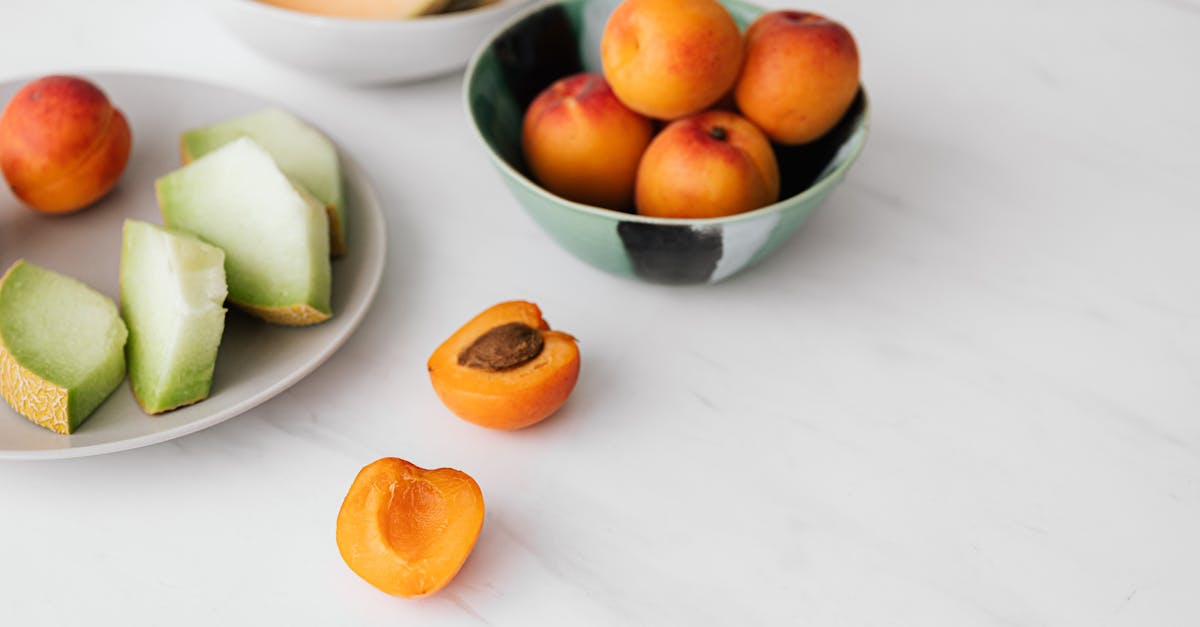
- Stone fruits: Peaches, plums, and nectarines offer fiber and vitamins A and C
Example Meal Pattern: Breakfast features fresh berries with yogurt or overnight oats. Lunch is a gazpacho or large composed salad with heirloom tomatoes. Dinner might be grilled vegetables with herbs, served alongside room-temperature grain salads. The emphasis on raw and lightly cooked foods keeps the kitchen cool while maximizing enzyme and nutrient intake.
Autumn: The Harvest Phase
Principle: Autumn foods build reserves, support immune function, and prepare the body for winter.
Action: Incorporate warming spices, root vegetables, and storage crops that provide sustained energy.
Peak Autumn Foods:
- Winter squash: Beta-carotene supports immune function and skin health
- Apples and pears: Pectin fiber feeds beneficial gut bacteria
- Brussels sprouts and cabbage: Sulforaphane compounds support detoxification
- Sweet potatoes: Complex carbohydrates provide steady energy
- Mushrooms: Vitamin D and immune-modulating beta-glucans
- Pomegranates: Punicalagins offer powerful anti-inflammatory effects
Example Meal Pattern: Mornings shift to warm oatmeal with baked apples and cinnamon. Lunch becomes hearty soups featuring roasted squash or root vegetables. Dinner centers on sheet-pan roasted vegetables with herbs, paired with whole grains or legumes. This transition to warmer, more substantial meals matches the body’s increased caloric needs as temperatures drop.
Winter: The Restoration Phase
Principle: Winter foods provide deep nourishment, support bone health, and maintain energy during shorter days.
Action: Focus on storage vegetables, preserved foods, and nutrient-dense preparations that sustain through the coldest months.
Peak Winter Foods:
- Citrus fruits: Vitamin C peaks just when immune support is most needed
- Kale and collards: Cold-hardy greens become sweeter after frost
- Beets: Nitrates support cardiovascular health and exercise performance
- Carrots and parsnips: Sugars concentrate in cold storage, enhancing flavor
- Onions and garlic: Allicin compounds fight winter infections
- Dried beans and lentils: Protein and mineral-rich staples for hearty meals
Example Meal Pattern: Breakfast might be a warm grain bowl with roasted root vegetables and a poached egg. Lunch features bean soups or stews that have simmered for hours. Dinner includes braised greens, roasted beets, and citrus-dressed salads that brighten the plate. Fermented foods like sauerkraut and kimchi, preserved from autumn’s cabbage harvest, provide probiotics throughout the season.
Ready to transform your relationship with food through seasonal eating? The complete Food Revolution guide provides detailed meal plans, shopping lists, and recipes for every season, plus strategies for preserving summer’s abundance for winter enjoyment. Get the Food Revolution book on Amazon and start eating in harmony with nature’s rhythms today.
Proof in Practice: The Seasonal Eating Transformation
Understanding theory is valuable, but seeing seasonal eating in action demonstrates its true power. Consider the experience of a family of four in the Pacific Northwest who committed to eating 80% seasonally for one full year.
The Before Picture
Before their seasonal eating experiment, this family spent approximately $1,200 monthly on groceries. Their produce often wilted in the refrigerator before being used. The children complained about vegetables, and meal planning felt like a constant struggle. Health concerns included frequent winter colds, low energy in the afternoons, and digestive discomfort that seemed to have no clear cause.
The Transition Process
The family began by joining a local CSA (Community Supported Agriculture) program, which delivered a box of seasonal produce weekly. This forced them to learn new vegetables and cooking methods. They started a simple preservation practice, freezing summer berries and tomatoes, fermenting autumn cabbage, and drying herbs from their small garden.
The first three months were challenging. Unfamiliar vegetables required recipe research. The children resisted new foods initially. But by month four, something shifted. The family developed a rhythm, anticipating each season’s offerings and planning meals around what was freshest and most abundant.
The After Picture
After twelve months of seasonal eating, the family’s grocery spending dropped to $900 monthly, a 25% reduction. Food waste decreased by approximately 60% because they purchased only what was abundant and affordable. The children, initially resistant, became curious about new vegetables and could identify produce by season.
Health improvements were notable. Winter colds decreased from an average of four per family member to just one. Energy levels stabilized, with fewer afternoon crashes. Digestive issues resolved almost entirely, likely due to increased fiber intake and the natural variation in their diet.
Perhaps most significantly, the family reported feeling more connected to their local food system and the natural world. Meals became more intentional, and cooking transformed from a chore into a creative practice that changed with the seasons.
Key Takeaways from This Transformation
Common Mistake to Avoid: Many people attempt to go 100% seasonal immediately, which leads to frustration and abandonment. Start with 50% seasonal eating and gradually increase as you build skills and knowledge.
Quick Self-Assessment: Before your next grocery trip, ask yourself these questions:
- What is currently in season in my region?
- What did I buy last week that went to waste?
- Which seasonal food have I never tried?
- What could I preserve now for enjoyment later?
Answering these questions honestly reveals opportunities for improvement and helps focus your seasonal eating efforts where they will have the greatest impact.
Practical Strategies for Seasonal Eating Success
Implementing seasonal eating requires more than good intentions. These practical strategies address common obstacles and set you up for long-term success.
Build Your Seasonal Knowledge Base
Create a simple reference chart for your specific region. Growing seasons vary significantly between climates, so generic seasonal guides may not apply to your location. Visit local farmers markets and ask vendors what is at peak ripeness. Many agricultural extension offices publish regional seasonal produce calendars that provide accurate, location-specific information.
Master Basic Preservation Techniques
Seasonal eating does not mean deprivation in winter. Learning to freeze, ferment, dry, and can summer’s abundance extends seasonal eating throughout the year. Start with the simplest methods:
- Freezing: Berries, blanched greens, and roasted tomatoes freeze beautifully with minimal preparation
- Fermenting: Sauerkraut and pickles require only salt, vegetables, and time
- Drying: Herbs, tomatoes, and fruit leather preserve summer flavors for winter use
Develop Seasonal Recipe Repertoires
Rather than searching for new recipes constantly, develop a core set of adaptable recipes for each season. A basic template like “roasted seasonal vegetable + whole grain + protein + seasonal sauce” can produce hundreds of variations throughout the year. This approach reduces decision fatigue while ensuring variety.
Connect with Local Food Sources
Farmers markets, CSA programs, and even grocery stores with strong local sourcing make seasonal eating easier. Building relationships with farmers provides insider knowledge about what is coming into season and what is at peak quality. Many farmers will share cooking tips and recipes for unfamiliar vegetables.
Frequently Asked Questions About Seasonal Eating
How do I eat seasonally if I live in a cold climate with short growing seasons?
Cold climate seasonal eating relies heavily on storage crops and preservation. Root vegetables like carrots, beets, and potatoes store for months in cool conditions. Winter squash lasts well into spring when properly cured. Freezing, fermenting, and canning summer produce extends seasonal eating through winter months. Additionally, cold-hardy greens like kale and collards actually improve in flavor after frost, providing fresh options even in cold climates. Greenhouse and indoor growing operations also extend local availability in many regions.
Is seasonal eating more expensive than conventional grocery shopping?
Seasonal eating typically costs less than conventional shopping when done strategically. In-season produce is abundant, which drives prices down. Buying in bulk during peak season for preservation further reduces costs. The key is shifting purchasing patterns to align with availability rather than buying whatever you want regardless of season. Families who commit to seasonal eating often report 15-30% reductions in their produce spending over a full year.
Can I still eat my favorite foods if they are not in season?
Seasonal eating is not about rigid restriction. The goal is to make seasonal foods the foundation of your diet while allowing flexibility for favorites. If you love strawberries, enjoy them abundantly in summer and preserve some for winter treats. Occasional out-of-season purchases will not undermine the benefits of eating seasonally most of the time. The 80/20 approach, where 80% of produce is seasonal and 20% allows for flexibility, works well for most people.
How do I get my family on board with seasonal eating changes?
Involve family members in the process rather than imposing changes. Take children to farmers markets and let them choose unfamiliar vegetables to try. Frame seasonal eating as an adventure and exploration rather than restriction. Start with familiar seasonal foods before introducing new ones. Celebrate seasonal transitions with special meals featuring peak produce. When family members participate in selection and preparation, they become invested in the outcome.
Your Seasonal Eating Action Plan
The food revolution begins with a single seasonal choice, then builds into a lifestyle that supports your health, your community, and the planet. Seasonal eating is not a diet to follow temporarily. It is a fundamental shift in how you relate to food and the natural world.
The benefits compound over time. Your palate becomes more attuned to subtle flavors and true ripeness. Your cooking skills expand as you learn to prepare unfamiliar vegetables. Your connection to local food systems deepens as you build relationships with farmers and fellow seasonal eaters. And your health improves as your diet naturally varies with the seasons, providing the diverse nutrients your body needs throughout the year.
Three actionable takeaways to implement this week:
- Audit your refrigerator: Identify which items are currently in season in your region and which are not. This awareness is the first step toward change.
- Visit a farmers market: Even if you do not buy anything, observe what is available and ask vendors about peak season timing for your favorite produce.
- Choose one seasonal swap: Replace one out-of-season item on your regular shopping list with a seasonal alternative. Build from this single change.
The food revolution is not about perfection. It is about progress toward a more intentional, healthful, and sustainable way of eating. Each seasonal choice you make contributes to better health outcomes, stronger local food systems, and a more sustainable planet.
For a complete guide to implementing seasonal eating with detailed meal plans, preservation techniques, and recipes organized by season, get the Food Revolution book on Amazon. This comprehensive resource provides everything you need to transform your eating habits and join the growing movement of people who are rediscovering the power of eating in harmony with nature’s seasons.
