
Food Revolution: The Environmental Footprint of Your Plate
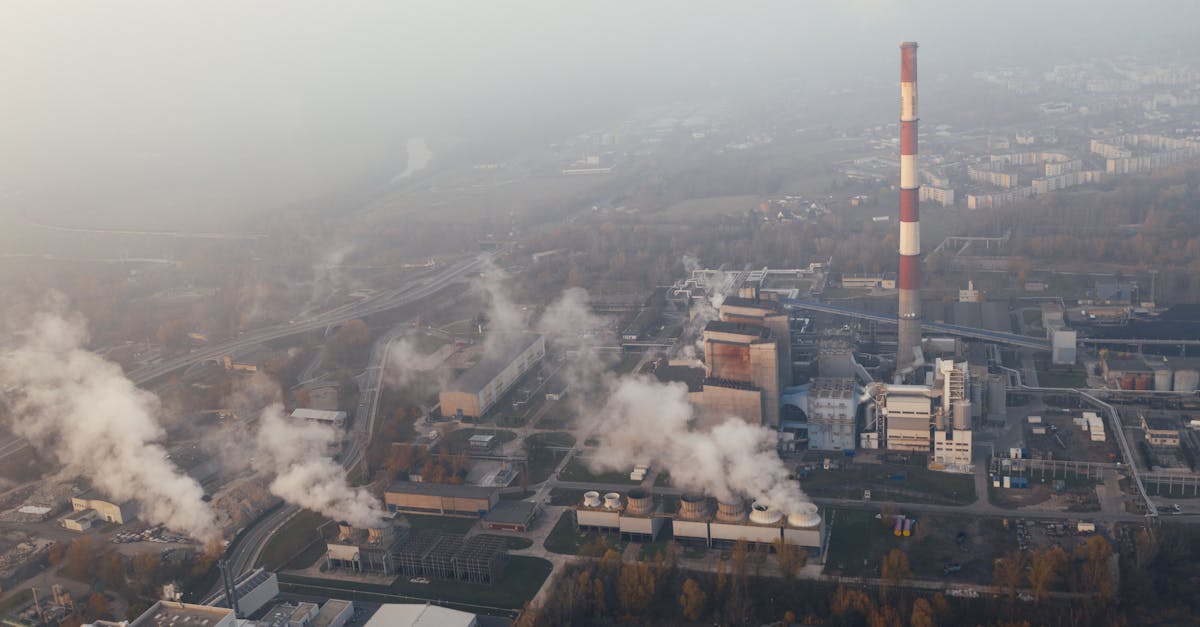
What if the most powerful environmental decision you make each day happens not at the gas pump or the recycling bin, but at your kitchen table? According to a 2023 study published in Nature Food, the global food system accounts for approximately 34% of all greenhouse gas emissions. That statistic alone should give us pause. Yet most conversations about sustainability skip right past our plates and focus on transportation, energy, and manufacturing.
The food revolution is not just about what we eat for personal wellness. It is fundamentally about understanding how our food choices ripple outward, affecting ecosystems, water systems, soil health, and climate patterns across the globe. This article explores the environmental dimension of the food revolution, offering you a framework to understand, evaluate, and transform your relationship with food from an ecological perspective.
By the end of this piece, you will understand the hidden environmental costs embedded in common food choices, learn a practical system for reducing your food footprint without sacrificing nutrition or enjoyment, and discover how small shifts in sourcing and consumption can create measurable environmental impact. This is not about perfection. It is about informed participation in a food system that desperately needs conscious consumers.
The Hidden Environmental Cost of Modern Food Systems
Before we can revolutionize our food choices, we need to understand what we are working with. The modern food system is a marvel of logistics and scale, but that scale comes with significant environmental consequences that rarely appear on nutrition labels or price tags.
Water: The Invisible Ingredient
Every food item carries a water footprint, the total volume of freshwater used to produce it from farm to table. A single kilogram of beef requires approximately 15,400 liters of water when you account for the water needed to grow feed crops, hydrate animals, and process meat. Compare that to a kilogram of vegetables, which averages around 322 liters. These numbers are not meant to shame anyone’s dietary choices, but rather to illuminate the resource intensity hidden behind familiar foods.
The water footprint extends beyond volume to include water quality impacts. Agricultural runoff carrying fertilizers and pesticides contributes to dead zones in coastal waters, algae blooms in freshwater systems, and contamination of drinking water sources. The Gulf of Mexico dead zone, spanning roughly 6,000 square miles in recent years, is directly linked to agricultural practices in the Mississippi River watershed.
Carbon: From Field to Fork
Food miles, the distance food travels from production to consumption, captured public attention in the early 2000s as a simple metric for environmental impact. However, research has since revealed a more complex picture. Transportation typically accounts for only 5 to 10% of a food item’s total carbon footprint. The majority of emissions occur during production: land clearing, fertilizer application, livestock digestion, and energy use in farming operations.
This does not mean transportation is irrelevant. Air-freighted produce, such as out-of-season berries or tropical fruits shipped to northern markets, can have carbon footprints 50 times higher than locally grown alternatives. The key insight is that production methods often matter more than distance, but distance matters significantly when air transport is involved.
Land Use: The Footprint Beneath the Footprint
Agriculture occupies approximately 50% of the world’s habitable land. Livestock farming alone uses 77% of agricultural land while producing only 18% of global calorie supply and 37% of protein supply. This land use pattern drives deforestation, particularly in biodiversity hotspots like the Amazon basin and Southeast Asian rainforests.
The land use question extends to soil health. Industrial monoculture farming depletes soil organic matter, reduces microbial diversity, and increases erosion. Healthy soil acts as a carbon sink, storing atmospheric carbon in organic matter. Degraded soil releases that carbon back into the atmosphere while requiring increasing inputs of synthetic fertilizers to maintain productivity.
The Food Revolution Framework: Three Lenses for Ecological Eating
Understanding the problem is essential, but actionable frameworks create change. The following three-lens approach provides a practical system for evaluating and improving the environmental impact of your food choices without requiring a complete lifestyle overhaul.
Lens One: Source Transparency
The first lens focuses on understanding where your food comes from and how it was produced. This is not about memorizing supply chains for every item in your pantry. It is about developing habits of inquiry and prioritizing transparency when making purchasing decisions.
Action Step: Start with your top five most frequently purchased items. For each, identify the country or region of origin and research the typical production methods used in that region. Many products now include QR codes linking to sourcing information. Use them.
Example: Coffee sourcing varies dramatically in environmental impact. Shade-grown coffee, produced under forest canopy, preserves biodiversity and sequesters carbon. Sun-grown coffee, which dominates industrial production, requires forest clearing and heavy chemical inputs. The price difference between these options is often minimal, but the ecological difference is substantial.
Pro Tip: Farmers markets and community-supported agriculture programs offer direct access to producers. A five-minute conversation with a farmer provides more sourcing transparency than hours of label reading at a supermarket.
Lens Two: Waste Reduction
Approximately one-third of all food produced globally is lost or wasted. In developed countries, the majority of this waste occurs at the consumer level: food purchased but not eaten, produce that spoils before use, and edible portions discarded during preparation. Every wasted food item carries the full environmental burden of its production with zero nutritional benefit.
Action Step: Conduct a one-week waste audit. Keep a simple log of every food item you discard, including the reason for disposal. Most people discover patterns: overbuying certain categories, forgetting items in refrigerator drawers, or discarding edible portions out of habit.
Example: A family in Portland, Oregon documented their food waste for one month and discovered they were discarding an average of $47 worth of food weekly, primarily leafy greens and bread. By switching to smaller, more frequent shopping trips and implementing a “first in, first out” refrigerator organization system, they reduced waste by 68% within six weeks.
Common Mistake: Confusing “best by” dates with safety dates. “Best by” indicates peak quality, not spoilage. Many foods remain safe and nutritious well past these dates. Use sensory evaluation, smell, appearance, and texture, rather than arbitrary dates to determine edibility.
Lens Three: Seasonal Alignment
Eating seasonally is not a nostalgic return to pre-industrial food systems. It is a practical strategy for reducing the energy intensity of your diet. Seasonal produce requires less artificial heating, lighting, and refrigeration during production and storage. It typically travels shorter distances and arrives fresher, reducing both waste and the need for preservation treatments.
Action Step: Learn the seasonal calendar for your region. Most agricultural extension services publish free guides showing what grows locally during each season. Plan your meals around seasonal availability rather than treating all produce as year-round commodities.
Example: Tomatoes illustrate the seasonal principle clearly. A winter tomato in northern climates is typically grown in heated greenhouses or shipped from distant regions, carrying a carbon footprint up to five times higher than a summer tomato grown locally. The winter tomato also tends to be less flavorful, demonstrating that environmental and culinary quality often align.
Advanced Application: Preservation techniques extend seasonal eating beyond harvest windows. Freezing, fermenting, canning, and drying allow you to capture peak-season produce for year-round use. A chest freezer stocked with summer berries and vegetables provides both environmental and economic benefits through the winter months.
Ready to go deeper into the food revolution? The complete framework for transforming your relationship with food, including detailed sourcing guides, seasonal planning templates, and waste reduction systems, is available in Food Revolution on Amazon. Get your copy and start building a more sustainable food practice today.
Putting the Framework Into Practice: The 14-Day Ecological Eating Challenge
Theory without application remains abstract. The following two-week challenge provides a structured pathway for implementing the three-lens framework in your daily life. Each phase builds on the previous, creating sustainable habits rather than temporary changes.
Days 1 through 5: The Awareness Phase
Day 1: Photograph everything you eat for one full day. Review the images before bed and note which items you could identify the source of and which remain mysterious.
Day 2: Choose one meal and research the origin of every ingredient. Use product labels, company websites, and general knowledge about commodity supply chains. Note what you learn and what remains unclear.
Day 3: Begin your waste audit. Place a small container near your trash and compost bins. Every time you discard food, note the item and approximate quantity.
Day 4: Visit a farmers market, farm stand, or specialty grocery store that emphasizes local sourcing. Purchase at least one item you would normally buy from a conventional source. Compare the experience.
Day 5: Review your waste log from the past three days. Identify the top three categories of waste by volume or value. These become your priority targets for the next phase.
Days 6 through 10: The Adjustment Phase
Day 6: Plan your meals for the coming week using a seasonal produce guide for your region. Build at least three meals around currently in-season ingredients.
Day 7: Reorganize your refrigerator using the “first in, first out” principle. Move older items to the front and create a designated “use first” zone for items approaching their peak.
Day 8: Prepare one meal using ingredients that would typically become waste: vegetable scraps for stock, overripe fruit for baking, or stale bread for croutons or breadcrumbs.
Day 9: Research one food category you consume regularly, such as coffee, chocolate, rice, or cooking oil, and identify a more sustainably sourced alternative available in your area.
Day 10: Cook a meal entirely from locally sourced ingredients. This may require creativity and flexibility, but the constraint often produces surprisingly satisfying results.
Days 11 through 14: The Integration Phase
Day 11: Review your waste log for the full period. Calculate the reduction from your baseline. Celebrate progress while identifying remaining opportunities.
Day 12: Establish a weekly planning routine. Choose a specific day and time for meal planning and grocery list creation. Consistency in planning prevents impulse purchases and reduces waste.
Day 13: Share what you have learned with someone in your household or social circle. Teaching reinforces learning and creates accountability for continued practice.
Day 14: Reflect on the two weeks. Write down three changes you will maintain going forward and one area you want to explore further. The food revolution is a journey, not a destination.
Beyond Individual Action: Understanding Systemic Change
Individual food choices matter, but they exist within larger systems that shape what is available, affordable, and convenient. A complete food revolution requires both personal practice and engagement with systemic change.
The Role of Policy and Infrastructure
Agricultural subsidies, food safety regulations, transportation infrastructure, and trade agreements all influence what appears on grocery store shelves and at what price. In the United States, commodity crop subsidies have historically favored corn, soy, and wheat production, indirectly supporting the processed food and industrial meat industries while providing minimal support for fruit and vegetable production.
Understanding these policy dynamics helps explain why certain foods are artificially cheap while others seem expensive. It also reveals leverage points for advocacy. Supporting policies that internalize environmental costs, fund regenerative agriculture research, and improve food system transparency can amplify the impact of individual choices.
Community-Scale Solutions
Between individual action and national policy lies the community scale, where some of the most promising food revolution work is happening. Community gardens, food cooperatives, farm-to-school programs, and regional food hubs are rebuilding local food infrastructure that industrial consolidation dismantled over the past century.
Participation in these community-scale initiatives multiplies individual impact. A community garden not only produces food with minimal environmental footprint but also builds social connections, transfers knowledge between generations, and demonstrates alternatives to industrial food systems.
The Business Case for Sustainable Food
Consumer demand shapes business behavior. As more people apply ecological criteria to food purchasing decisions, businesses respond with improved sourcing, reduced packaging, and greater transparency. This market pressure complements policy advocacy and community building.
Voting with your wallet works best when combined with vocal feedback. Tell businesses why you choose their products or why you switched away from competitors. Specific feedback about environmental concerns carries more weight than silent purchasing patterns.
Frequently Asked Questions About the Food Revolution and Environmental Impact
Is organic food always better for the environment than conventional?
Not necessarily. Organic certification prohibits synthetic pesticides and fertilizers, which provides genuine environmental benefits including reduced chemical runoff and improved soil biology. However, organic production sometimes requires more land to produce equivalent yields, and organic certification does not address transportation, packaging, or water use. The most environmentally sound choice often depends on specific products and local conditions. A conventionally grown local apple may have a lower overall footprint than an organic apple shipped from another continent. Use organic certification as one factor among several rather than a definitive environmental indicator.
How much difference can one person’s food choices really make?
Individual impact is real but modest in isolation. A person who shifts toward more plant-forward eating, reduces food waste, and prioritizes seasonal and local sourcing can reduce their food-related carbon footprint by 25 to 50 percent. Multiplied across households and communities, these changes become significant. More importantly, individual practice builds the skills, knowledge, and social proof that enable broader change. Every person who demonstrates that ecological eating is practical and enjoyable makes it easier for others to follow.
What is the single most impactful change I can make to reduce my food footprint?
Reducing food waste typically offers the highest return on effort. Unlike dietary changes, which involve trade-offs and personal preferences, waste reduction is pure gain: you save money, reduce environmental impact, and lose nothing of value. For most households, addressing food waste can reduce food-related environmental impact by 20 to 30 percent with relatively simple behavioral changes. After addressing waste, the next highest-impact changes are typically reducing consumption of resource-intensive animal products and avoiding air-freighted produce.
How do I balance environmental concerns with budget constraints?
Ecological eating and budget-conscious eating often align more than they conflict. Reducing waste directly saves money. Eating seasonally typically means buying produce at peak supply and lowest price. Reducing meat consumption, even partially, lowers grocery bills since plant proteins generally cost less per gram than animal proteins. Where conflicts exist, prioritize changes that save money or are cost-neutral before investing in premium sustainable options. Building skills like home cooking, food preservation, and meal planning creates both environmental and economic benefits.
Conclusion: Your Place in the Food Revolution
The food revolution is not a single dramatic transformation but an ongoing process of learning, adjusting, and improving. Every meal is an opportunity to practice more conscious consumption, and every shopping trip is a chance to vote for the food system you want to see.
The environmental dimension of food choices connects your daily life to global systems: climate patterns, water cycles, biodiversity, and soil health. This connection can feel overwhelming, but it is also empowering. Unlike many environmental challenges that seem distant and abstract, food is immediate and tangible. You interact with the food system multiple times daily, giving you multiple opportunities for positive impact.
Here are three actionable takeaways to carry forward from this article:
- Start with waste: Conduct a one-week food waste audit and implement at least one change based on what you discover. This single action typically delivers the highest environmental return with the lowest effort.
- Learn your local seasons: Download or print a seasonal produce guide for your region and reference it when planning meals. Seasonal alignment reduces environmental impact while often improving flavor and nutrition.
- Ask questions: Develop the habit of inquiring about food sources, whether at restaurants, grocery stores, or farmers markets. Curiosity drives transparency, and transparency enables better choices.
The food revolution is already underway. Farmers are experimenting with regenerative practices. Businesses are responding to consumer demand for sustainability. Communities are rebuilding local food infrastructure. Your participation, through daily choices and ongoing learning, adds momentum to this transformation.
For a comprehensive guide to transforming your relationship with food, including detailed frameworks, practical tools, and deeper exploration of the topics introduced here, get your copy of Food Revolution on Amazon. Your plate is more powerful than you think. Use it wisely.
