
Food Revolution: The Generational Food Wisdom Recovery Project
What if the most powerful food revolution you could join has nothing to do with the latest diet trend, and everything to do with the knowledge your great-grandmother carried in her hands? According to a 2023 study published in the Journal of Nutrition Education and Behavior, families who cook traditional recipes together report 47% higher satisfaction with their eating habits and demonstrate significantly better food literacy than those who rely primarily on modern convenience foods.
The food revolution happening right now is not about restriction or deprivation. It is about recovery. Recovery of skills, traditions, and wisdom that previous generations considered common knowledge but that modern life has systematically erased from our collective memory. This article will guide you through a practical framework for reclaiming generational food wisdom, adapting it for contemporary life, and passing it forward to create lasting change in how your family relates to food.
By the end of this piece, you will have a clear roadmap for interviewing family elders about their food traditions, a system for documenting and modernizing heritage recipes, and actionable strategies for building intergenerational food literacy in your household. This is not about nostalgia. This is about building food resilience that no supply chain disruption or marketing campaign can shake.
The Hidden Cost of Forgotten Food Knowledge
Every generation that passes without intentional knowledge transfer takes irreplaceable food wisdom with it. Consider what has been lost in just three generations: the ability to identify edible plants in your local environment, the skill of preserving summer abundance for winter months, the intuition for seasoning without measuring cups, and the understanding of how to stretch limited ingredients into nourishing meals.
Research from the University of Vermont’s Food Systems program reveals that the average American adult can identify fewer than 10 edible plants in their immediate environment, compared to over 100 that their great-grandparents would have recognized. This is not merely trivia. This represents a fundamental disconnection from the food systems that sustain us.
The consequences extend beyond individual households. When communities lose their food traditions, they become entirely dependent on external food systems. They lose the ability to respond to disruptions, whether economic, environmental, or logistical. The 2020 supply chain challenges demonstrated this vulnerability clearly, as families with preserved food knowledge and home gardens weathered shortages far more effectively than those without these skills.
The real cost is measured in three dimensions:
- Economic vulnerability: Families without food preparation skills spend an average of 35% more on food annually, according to USDA Economic Research Service data.
- Cultural disconnection: Food traditions carry cultural identity, family stories, and community bonds that cannot be replaced by restaurant meals or delivery apps.
- Skill atrophy: Each generation that does not learn basic food skills makes recovery exponentially more difficult for the next.
But there is a better way. The food revolution framework outlined below provides a systematic approach to recovering, documenting, and transmitting food wisdom before it disappears entirely.
The Generational Food Wisdom Recovery Framework
This five-pillar framework transforms the abstract concept of “food tradition” into concrete, actionable steps that any family can implement regardless of their current skill level or cultural background.
Pillar One: The Elder Interview Protocol
The first step in any food revolution begins with listening. Before your oldest family members are gone, their knowledge must be captured systematically. This is not casual conversation over holiday dinner. This is intentional documentation.
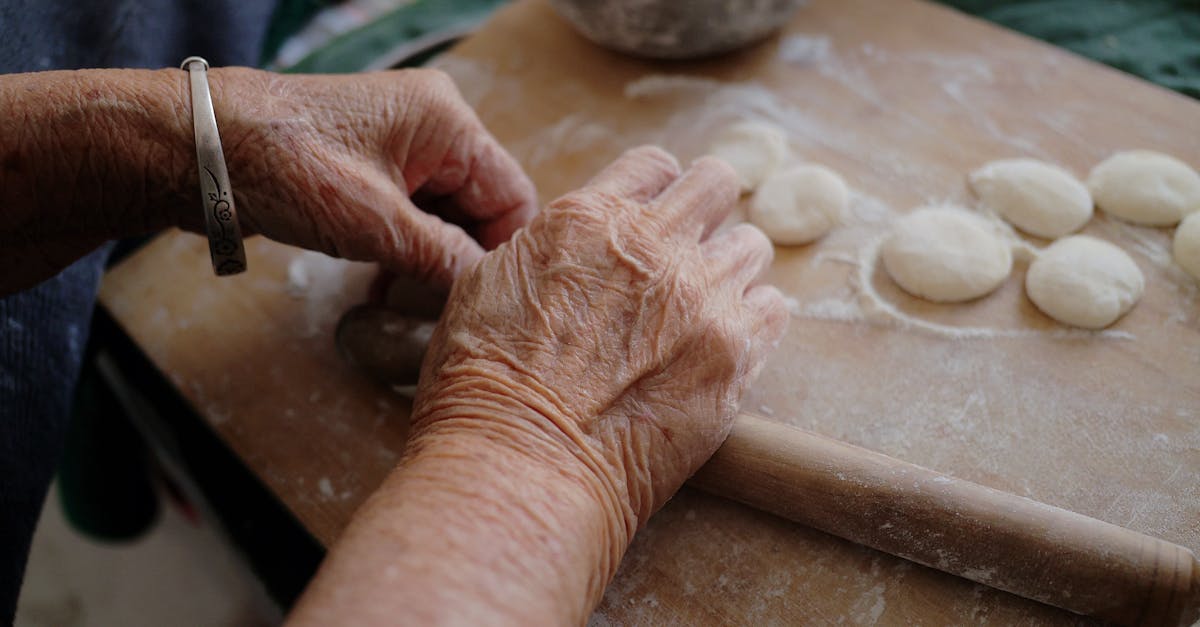
Principle: Treat every elder in your family as a primary source of irreplaceable information. Their hands hold techniques that no cookbook can fully capture.
Action: Schedule dedicated “food memory sessions” with family elders. Come prepared with specific questions: What did your mother make when someone was sick? How did your family preserve food before refrigeration? What ingredients were considered precious, and how were they used? What dishes have you stopped making because no one asks for them anymore?
Example: Maria, a second-generation Mexican-American, discovered through interviewing her 87-year-old grandmother that their family’s mole recipe contained a specific technique for toasting chiles that had never been written down. Her grandmother had assumed everyone knew this step and had never mentioned it when sharing the recipe previously. Without the interview, this technique would have been lost when her grandmother passed.
Pillar Two: The Recipe Archaeology Method
Old recipes are often incomplete by modern standards. They assume knowledge that the original cook possessed but did not think to document. “A handful of flour” meant something specific to your great-grandmother. Your job is to decode these measurements and techniques.
Principle: Every heritage recipe requires translation, not just transcription. You must cook alongside the original maker whenever possible to capture the unwritten elements.
Action: Create video recordings of elders preparing their signature dishes. Focus the camera on their hands, not their faces. Capture the sounds, the timing, the way they test for doneness. Ask them to narrate their decision-making process: “How do you know when it is ready? What are you looking for?”
Example: James documented his father’s barbecue technique over three separate cooking sessions. He discovered that his father adjusted the fire based on wind direction, something never mentioned in any written recipe. He also learned that the “secret ingredient” was not a spice but a specific timing pattern for when to add wood chips based on the color of the smoke.
Pillar Three: The Modernization Bridge
Heritage recipes must be adapted for contemporary kitchens without losing their essential character. This requires understanding which elements are negotiable and which are sacred.
Principle: Identify the “soul” of each recipe, the one or two elements that make it irreplaceable, and protect those while adapting everything else for modern convenience.
Action: For each heritage recipe, create two versions: the “full traditional” version for special occasions and the “weeknight adaptation” that preserves the essential flavors while reducing time and complexity. Document both clearly so future generations understand the relationship between them.
Example: Traditional Sunday gravy that requires six hours of simmering can be adapted for a pressure cooker while maintaining the same foundational soffritto and the same quality of tomatoes. The weeknight version takes 90 minutes instead of six hours but delivers 85% of the flavor profile. Both versions are documented, with clear notes about what was changed and why.
Pillar Four: The Skill Transmission System
Knowledge that stays in one person’s head dies with them. The food revolution requires systematic transmission to younger generations, even when they seem uninterested.
Principle: Create multiple touchpoints for skill transfer. Not every family member will learn through the same method. Some learn by doing, others by watching, others by reading.
Action: Establish a “family food curriculum” with age-appropriate skills for each stage of development. A five-year-old can wash vegetables and tear lettuce. A ten-year-old can follow a simple recipe independently. A teenager can plan and execute a complete meal. Document progress and celebrate milestones.
Example: The Nguyen family created a “kitchen passport” for their children, with stamps earned for mastering specific skills: knife safety, rice cooking, broth making, and eventually their grandmother’s pho recipe. The passport became a treasured document that tracked each child’s culinary development over years.
Pillar Five: The Living Archive
Documentation must be accessible, updatable, and designed to survive technological changes. A recipe saved only on a defunct platform or in a format that cannot be opened serves no one.
Principle: Create redundant documentation in multiple formats. Digital files can be lost. Paper can be destroyed. The combination of both, stored in multiple locations, provides resilience.
Action: Build a family food archive that includes written recipes, video demonstrations, photographs of finished dishes, and narrative context explaining when and why each dish was traditionally prepared. Update this archive annually and distribute copies to multiple family members.
Example: The Johnson family maintains a shared digital folder with all recipes, a printed binder that lives in the family matriarch’s kitchen, and a backup copy stored with a family member in another state. Each Thanksgiving, they add new recipes and update existing ones based on that year’s cooking experiences.
Ready to systematize your own food revolution? The complete framework, including interview templates, recipe documentation worksheets, and the full skill transmission curriculum, is available in Food Revolution on Amazon. This comprehensive guide provides everything you need to recover, document, and transmit your family’s food wisdom to future generations.
Proof in Practice: The Martinez Family Recovery Project
The Martinez family of San Antonio, Texas, represents a compelling case study in generational food wisdom recovery. When Elena Martinez realized her 82-year-old mother was the last person who knew how to make their family’s traditional tamales, she initiated a systematic recovery project that transformed her entire family’s relationship with food.
The Before State
Prior to the project, the Martinez family’s food culture had largely dissolved. Holiday meals were catered or purchased from restaurants. The younger generation, ages 8 to 22, had never made a meal from scratch. Elena’s mother, Rosa, had stopped cooking her traditional dishes because “no one appreciated them anymore” and the physical demands had become challenging.
The family spent approximately $1,400 monthly on food, with 70% going to restaurants and prepared foods. More significantly, the children had no connection to their Mexican-American food heritage and could not identify basic ingredients used in their grandmother’s cooking.
The Intervention
Elena implemented the Generational Food Wisdom Recovery Framework over 18 months. She began with weekly interview sessions with her mother, recording over 40 hours of food memories, techniques, and stories. She documented 23 family recipes, including the tamale recipe that had never been written down in its complete form.
The family established “Sunday Kitchen” sessions where Rosa taught one technique or recipe to the extended family. These sessions were recorded and added to the family archive. Children were given age-appropriate roles, from washing corn husks to eventually spreading masa.
Elena created both traditional and modernized versions of key recipes. The traditional tamale process, which took Rosa two full days, was adapted into a streamlined version that could be completed in four hours using a stand mixer for the masa and a more efficient assembly line process.
The After State
Eighteen months later, the Martinez family’s food culture had been fundamentally transformed:
- Skill transfer: All four grandchildren could independently prepare at least three traditional family dishes. The oldest, age 22, had mastered the complete tamale process.
- Economic impact: Monthly food spending decreased to $950, a 32% reduction, as home cooking replaced restaurant meals.
- Cultural connection: The children began requesting traditional dishes and asking questions about family food history. The 14-year-old started a school project documenting immigrant food traditions.
- Archive creation: The family now maintains a comprehensive digital and physical archive of 23 recipes, 40+ hours of video, and extensive narrative documentation.
- Intergenerational bonding: Rosa reported feeling “useful and valued” for the first time in years. The Sunday Kitchen sessions became the highlight of her week.
Most importantly, when Rosa passed away 14 months after the project began, her knowledge did not die with her. The family continued making tamales that Christmas, following her techniques exactly as she had taught them, with her voice guiding them through the video recordings.
Common Mistakes in Food Wisdom Recovery
Even well-intentioned recovery efforts can fail. Understanding these common pitfalls helps you avoid them in your own family’s food revolution.
Mistake 1: Waiting too long to start. Cognitive decline, physical limitations, and mortality do not wait for convenient timing. The best time to begin documenting food wisdom was ten years ago. The second best time is today. Do not assume elders will always be available or capable of demonstrating their techniques.
Mistake 2: Focusing only on recipes, not techniques. A recipe is a map, but technique is the ability to navigate. Recording that your grandmother’s bread required “kneading until smooth” captures nothing useful. Recording video of her hands working the dough, with her narration of what she is feeling and looking for, captures everything.
Mistake 3: Failing to create modernized versions. Pure traditionalism often leads to abandonment. If a recipe requires three days and ingredients that are no longer available, it will not be made. Creating practical adaptations ensures the dish survives in some form rather than disappearing entirely.
Mistake 4: Single-point-of-failure documentation. Storing everything on one computer, in one cloud account, or in one physical location creates vulnerability. Distribute your archive across multiple family members, formats, and locations.
Mistake 5: Excluding younger family members. Children who are “too young to help” become teenagers who “are not interested” become adults who “never learned.” Include children from the earliest possible age, even if their contributions are minimal. The exposure matters more than the output.
Your 14-Day Food Wisdom Recovery Sprint
This accelerated timeline gets you started immediately with concrete actions that build momentum toward long-term change.
Days 1-2: Inventory and Outreach
List every living family member who might hold food knowledge. This includes parents, grandparents, aunts, uncles, and older cousins. Contact each one to schedule a food memory conversation. Explain that you are documenting family food traditions and need their help.
Days 3-5: First Interview Round
Conduct your first interview session. Focus on broad questions: What dishes do you remember from childhood? What did your mother or grandmother make that no one makes anymore? What ingredients or techniques have you stopped using? Record audio at minimum, video if possible.
Days 6-7: Recipe Selection
From your interviews, identify three recipes that are at highest risk of being lost. These are dishes that only one person knows how to make, that have never been written down, or that require techniques not commonly used today. These become your priority targets.
Days 8-10: Documentation Sessions
Schedule hands-on cooking sessions for your three priority recipes. Video record the entire process. Ask the cook to narrate their decisions. Take notes on measurements, timing, and sensory cues they use to judge doneness or seasoning.
Days 11-12: Translation and Testing
Convert your recordings into written recipes with precise measurements and clear instructions. Test each recipe yourself, noting any steps that were unclear or any adjustments needed for your kitchen equipment.
Days 13-14: Archive Creation
Create your initial family food archive. This should include written recipes, video files, and narrative context for each dish. Store copies in at least two locations. Share access with at least one other family member.
By day 14, you will have rescued three family recipes from potential oblivion and established the infrastructure for ongoing documentation. This sprint creates momentum that makes continued effort feel natural rather than burdensome.
Frequently Asked Questions About Food Wisdom Recovery
What if my family does not have strong food traditions to recover?
Every family has food traditions, even if they do not recognize them as such. The casserole your mother made every Thursday, the specific brand of ingredients your father insisted upon, the way holidays were always celebrated with certain dishes: these are all traditions worth documenting. Additionally, you can adopt and adapt traditions from your community, your region, or cultures you have married into. The goal is building food literacy and connection, not maintaining ethnic purity.
How do I get reluctant family members to participate in documentation?
Frame the project around legacy and honor rather than obligation. Most elders respond positively when they understand their knowledge is valued and will be preserved. For younger family members, start with dishes they already enjoy eating and let them discover the satisfaction of making those dishes themselves. Avoid lecturing about nutrition or tradition. Let the experience speak for itself.
What equipment do I need to document family recipes properly?
A smartphone with a decent camera is sufficient for most documentation. Prioritize good lighting and clear audio over professional production quality. A simple tripod or phone mount helps capture hands-on cooking without requiring a camera operator. For written documentation, any word processor works. The key is consistency and redundancy, not expensive equipment.
How do I handle family recipes that include ingredients that are no longer available or acceptable?
Document the original recipe exactly as it was made, including any ingredients that are now problematic. Then create an adapted version with substitutions, clearly noting what was changed and why. This preserves historical accuracy while providing a practical version for current use. Future generations can make their own decisions about which version to use based on their circumstances and values.
Conclusion: Your Food Revolution Starts Today
The food revolution is not waiting for permission. Every day that passes without intentional documentation is a day of potential loss. The knowledge held by your oldest family members is irreplaceable, and the window for capturing it is finite.
This content is for informational purposes only and does not constitute medical advice.
Your three immediate action items:
- This week: Contact your oldest living family member and schedule a food memory conversation. Come prepared with specific questions about dishes, techniques, and ingredients from their childhood.
- This month: Document at least one family recipe through hands-on cooking with the person who knows it best. Video record the process and convert it to a written recipe you can share.
- This quarter: Establish your family food archive with at least five documented recipes, stored in multiple formats and locations, with access shared among multiple family members.
The generational food wisdom recovery project is not about perfection. It is about progress. Every recipe documented, every technique recorded, every story preserved represents a small victory against the erosion of food knowledge that threatens every modern family.
For a complete system that guides you through every step of this process, including interview templates, documentation worksheets, modernization frameworks, and the full skill transmission curriculum, get Food Revolution on Amazon today. Your family’s food legacy is worth preserving. Start your recovery project now, before another day of wisdom slips away.
