
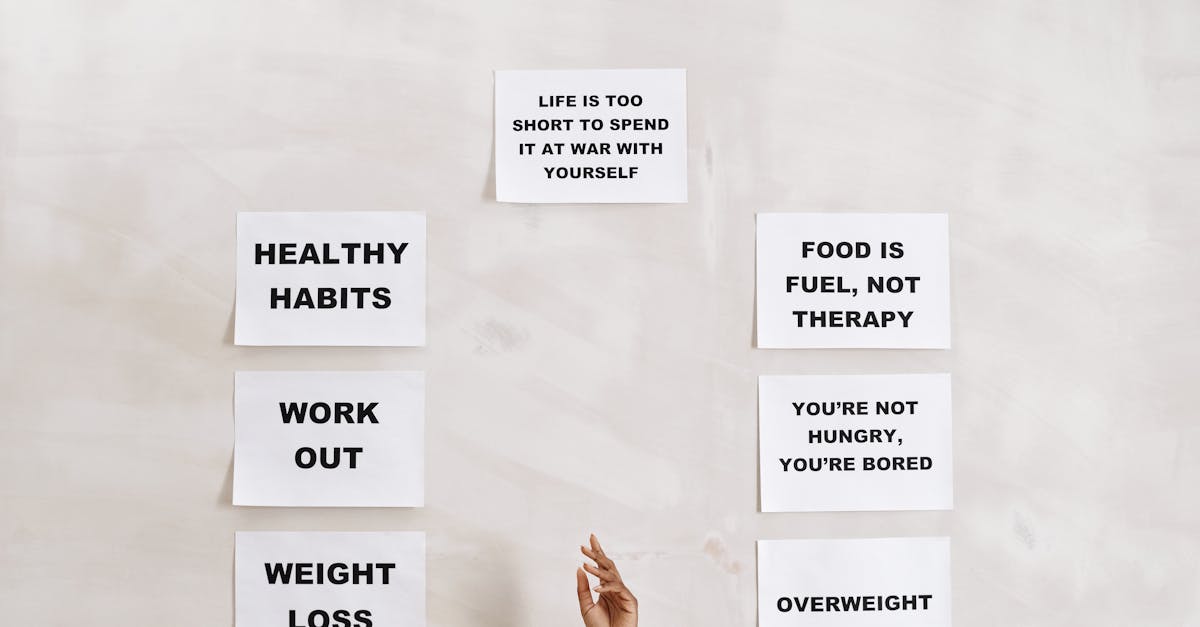
Food Revolution: The Psychology of Lasting Dietary Change
Why do 95% of people who attempt dietary changes abandon them within six months? The answer lies not in willpower, meal plans, or even food knowledge. It lies in psychology. The food revolution happening across kitchens worldwide is not about another diet trend or superfood discovery. It is about understanding the mental architecture behind our eating decisions and rewiring it for permanent transformation.
Consider this: the average person makes over 200 food decisions daily, yet remains consciously aware of fewer than 20. The remaining 180+ choices happen on autopilot, driven by environmental cues, emotional triggers, and deeply ingrained behavioral patterns. This invisible decision-making process explains why intelligent, motivated individuals repeatedly fail at dietary change despite their best intentions.
This article explores the psychological foundations of the food revolution, offering a framework for understanding why traditional approaches fail and what actually works. You will discover the three cognitive barriers that sabotage dietary change, learn a research-backed system for building automatic healthy behaviors, and gain practical tools for navigating the psychological challenges of food transformation. By the end, you will possess not just knowledge, but a actionable blueprint for joining the food revolution in a way that lasts.
Three Myths Holding You Back From Your Food Revolution
Before building new habits, we must dismantle the false beliefs that keep us trapped in cycles of failed dietary attempts. These myths persist because they feel intuitively true, yet research consistently disproves them.
Myth 1: Willpower Is the Key to Dietary Success
The belief that successful eaters simply have more willpower than unsuccessful ones is perhaps the most damaging myth in nutrition psychology. Research from the University of Toronto demonstrates that willpower functions like a muscle: it fatigues with use. Every decision you make throughout the day depletes your self-control reserves, leaving you vulnerable to poor food choices by evening.
Reality: Successful dietary change relies on environmental design, not willpower. Studies show that people who appear to have exceptional self-control actually structure their environments to minimize temptation exposure. They do not resist cookies in the pantry through sheer determination. They simply do not keep cookies in the pantry. The food revolution begins with accepting that willpower is a limited resource and designing systems that conserve it.
Myth 2: Information Leads to Behavior Change
If knowledge drove behavior, every nutritionist would be perfectly healthy, every doctor would exercise daily, and every person who read a diet book would transform their eating. Yet we know this is not the case. The gap between knowing and doing is vast, and information alone cannot bridge it.
Reality: Behavior change requires identity shift, not just information acquisition. When you view healthy eating as something you do rather than who you are, every food decision becomes a battle. However, when you internalize a new identity, such as “I am someone who nourishes my body with whole foods,” decisions align automatically with that self-concept. The food revolution is fundamentally an identity revolution.
Myth 3: Big Changes Produce Big Results
The dramatic transformation narrative dominates our cultural understanding of change. We celebrate the person who overhauled their entire diet overnight, threw out all processed foods, and never looked back. This narrative is compelling but statistically rare and often unsustainable.
Reality: Sustainable change follows the compound effect principle. Small, consistent modifications accumulate into massive transformation over time. Research from Stanford University found that participants who made one small dietary change per week maintained those changes at significantly higher rates than those who attempted comprehensive overhauls. The food revolution is won through strategic incrementalism, not dramatic gestures.
The Food Revolution Deep Dive: Understanding Behavioral Architecture
With myths dismantled, we can explore the actual mechanisms of lasting dietary change. This section presents the core concepts at three levels of depth, allowing you to engage with the material wherever you currently stand in your food revolution journey.
Beginner Level: The Habit Loop Foundation
Every eating behavior follows a predictable pattern: cue, routine, reward. The cue triggers the behavior, the routine is the behavior itself, and the reward reinforces the pattern. Understanding this loop is the first step toward changing it.
For example, consider afternoon snacking. The cue might be the 3 PM energy slump. The routine is walking to the vending machine. The reward is the temporary energy boost and taste pleasure. To change this behavior, you must identify each component and strategically modify it.
Pro Tip: Keep a “cue journal” for one week. Every time you eat something unplanned, note the time, location, emotional state, and preceding activity. Patterns will emerge that reveal your personal triggers, giving you specific targets for intervention.
Intermediate Level: The Identity-Behavior Feedback Loop
Beyond individual habits lies a more powerful mechanism: the relationship between identity and behavior. Your actions both reflect and reinforce your self-concept. Each time you make a food choice, you cast a vote for the type of person you believe yourself to be.
This creates a feedback loop. If you see yourself as someone who struggles with healthy eating, each unhealthy choice confirms that identity, making future unhealthy choices more likely. Conversely, each healthy choice, no matter how small, builds evidence for a new identity as someone who prioritizes nourishment.
The intermediate practitioner of the food revolution focuses not on outcomes like weight or energy levels, but on identity reinforcement. The question shifts from “What should I eat?” to “What would a healthy person eat in this situation?” This reframe activates a different decision-making process entirely.
Pro Tip: Create an identity statement and review it before meals. Something like: “I am someone who chooses foods that energize and nourish my body.” This primes your brain to make decisions consistent with that identity, reducing the cognitive load of each individual choice.
Advanced Level: Cognitive Flexibility and Adaptive Eating
The advanced food revolutionary understands that rigid rules eventually break. Life presents situations that no meal plan can anticipate: travel, celebrations, stress, illness, social pressure. The goal is not perfect adherence to a system but cognitive flexibility that allows adaptation without abandonment.
This requires developing what psychologists call “psychological flexibility”: the ability to be present, open to experience, and committed to values-based action regardless of circumstances. Applied to eating, this means holding your food principles firmly while adapting their expression to context.
The advanced practitioner distinguishes between “rules” and “principles.” Rules are rigid: “I never eat sugar.” Principles are flexible: “I prioritize whole foods and minimize processed ingredients.” Rules create all-or-nothing thinking that leads to complete abandonment after a single violation. Principles allow for contextual judgment and graceful recovery.
Pro Tip: Develop a personal “hierarchy of priorities” for eating decisions. For example: 1) Adequate protein, 2) Vegetables at every meal, 3) Whole grains over refined, 4) Minimal added sugars. When circumstances force compromise, you know which principles to protect and which can flex. This prevents the “I already ruined today” mentality that derails so many food revolution attempts.
Your Food Revolution Starter Toolkit
Theory without application remains academic. This section provides concrete tools for implementing the psychological principles discussed above. Each tool addresses a specific challenge in the food revolution journey.
Tool 1: The Environment Audit Checklist
Your environment shapes your behavior more than your intentions. Use this checklist to evaluate and optimize your food environment:
- Kitchen Counter: Are healthy options visible and accessible? Research shows that foods left on counters are consumed 30% more frequently than foods stored in cabinets.
- Refrigerator Organization: Are prepared healthy options at eye level? The first thing you see when opening the fridge is most likely to be eaten.
- Pantry Structure: Are less healthy options stored in opaque containers or inconvenient locations? Friction reduces consumption.
- Plate Size: Are you using appropriately sized dishes? Smaller plates lead to smaller portions without conscious restriction.
- Workspace: Is your desk or work area free of food cues? Visual triggers prompt eating regardless of hunger.
Quick Start: Choose one area from this checklist and optimize it today. Do not attempt to overhaul everything simultaneously. One environmental change, fully implemented, outperforms five changes partially attempted.
Tool 2: The Decision Reduction System
Every food decision depletes cognitive resources. Reducing the number of decisions you face preserves willpower for situations that truly require it.
- Breakfast Standardization: Eat the same breakfast for at least five days per week. This eliminates morning decision fatigue when willpower is highest and should be preserved for later challenges.
- Lunch Templates: Create three to four lunch “templates” that you rotate. For example: grain bowl, large salad, soup with bread, leftovers from dinner. Knowing your options in advance prevents impulsive choices.
- Snack Pre-Selection: Decide on your snacks for the week during your grocery trip, not in the moment of hunger. Pre-commitment dramatically improves choices.
- Restaurant Pre-Planning: Review menus before arriving and decide what you will order. In-the-moment decisions at restaurants are heavily influenced by social pressure and sensory cues.
Quick Start: Implement breakfast standardization this week. Choose one nutritious breakfast you enjoy and commit to eating it every weekday. Notice how this single change affects your morning energy and decision-making capacity.
Tool 3: The Trigger Response Protocol
Emotional eating and stress-driven food choices represent significant challenges in any food revolution. This protocol provides a structured response to triggering situations.
When you notice an urge to eat outside of planned meals or snacks:
- Pause: Take three deep breaths before acting. This activates the parasympathetic nervous system and creates space between stimulus and response.
- Identify: Name the emotion or situation triggering the urge. “I am feeling stressed about the deadline” or “I am bored and looking for stimulation.”
- Evaluate: Ask yourself: “Am I physically hungry, or am I seeking something else?” Physical hunger builds gradually and can be satisfied by various foods. Emotional hunger is sudden and craves specific items.
- Choose: If physically hungry, eat mindfully. If emotionally triggered, select an alternative response that addresses the actual need: a walk for stress, a conversation for loneliness, a brief task for boredom.
Quick Start: Practice this protocol three times today, even if you are not experiencing strong urges. Building the neural pathway during low-stakes moments makes it accessible during high-stakes situations.
Ready to accelerate your food revolution? The principles in this article represent just the beginning. For a comprehensive system that guides you through every aspect of dietary transformation, including meal frameworks, mindset tools, and sustainable strategies, explore the complete resource. Get Food Revolution on Amazon and access the full toolkit for lasting change.
The Cognitive Flexibility Framework: Navigating Real-World Challenges
Understanding psychology is valuable. Applying it amid the chaos of daily life is where transformation actually occurs. This section addresses the most common real-world challenges that derail food revolution attempts and provides psychologically-grounded responses.
Challenge 1: Social Eating Situations
Humans are social creatures, and eating is inherently social. Pressure from friends, family expectations, and cultural norms around food create significant obstacles to dietary change. The solution is not avoidance but strategic navigation.
First, recognize that social pressure operates through perceived judgment. We fear others will think we are difficult, obsessive, or judging their choices. This fear often exceeds the actual judgment we would receive. Studies show that people notice and care about our food choices far less than we imagine.
Second, develop simple, non-preachy responses to food offers. “No thank you, I am satisfied” requires no explanation. “I am trying something new with my eating” invites curiosity without judgment. Avoid language that implies others should change: “I do not eat that anymore” can feel accusatory to those who do.
Third, focus on contribution rather than restriction. Bring a dish you can eat to gatherings. Suggest restaurants with options that work for you. Being proactive prevents the reactive position of constantly declining offers.
Challenge 2: Stress and Emotional Disruption
Stress does not just make healthy eating harder. It actively promotes unhealthy eating through hormonal mechanisms. Cortisol, the primary stress hormone, increases cravings for high-calorie, high-fat, high-sugar foods. This is not weakness. It is biology.
The psychologically-informed response involves two strategies. First, address stress directly rather than through food. Identify your top three stress management tools that do not involve eating: perhaps walking, calling a friend, or ten minutes of stretching. Make these tools as accessible as food would be.
Second, accept that stress periods will involve imperfect eating and plan accordingly. Rather than attempting to maintain your ideal diet during high-stress periods, identify your “minimum viable nutrition”: the simplest possible eating pattern that keeps you reasonably nourished. This might mean relying on prepared foods, eating the same simple meals repeatedly, or temporarily relaxing certain standards. The goal is preventing complete abandonment, not maintaining perfection.
Challenge 3: The Plateau and Motivation Decline
Initial enthusiasm for any change eventually fades. The food revolution is no exception. When motivation declines, many people interpret this as failure and abandon their efforts. This interpretation misunderstands the nature of sustainable change.
Motivation is not a prerequisite for action. It is often a result of action. Waiting to feel motivated before eating well creates a dependency on an unreliable emotional state. Instead, build systems that function regardless of motivation level.
This is where identity work becomes crucial. When you have internalized “I am someone who eats nourishing foods,” the question of motivation becomes irrelevant. You do not need motivation to act consistently with your identity. You simply do what people like you do.
Additionally, track process metrics rather than outcome metrics. Weighing yourself measures an outcome you cannot directly control. Tracking whether you ate vegetables at lunch measures a behavior you can control. Process focus maintains engagement even when outcomes plateau.
Common Mistakes in the Food Revolution Journey
Awareness of common pitfalls allows you to avoid them. These mistakes are not signs of personal failure. They are predictable patterns that emerge from misunderstanding how change actually works.
Mistake 1: The All-or-Nothing Trap. Viewing dietary change as binary, either perfect adherence or complete failure, guarantees eventual failure. One imperfect meal does not negate a week of nourishing choices. Develop a “next meal” mentality: regardless of what just happened, the next eating occasion is an opportunity to align with your values.
Mistake 2: Comparing Your Beginning to Someone Else’s Middle. Social media showcases people deep into their food revolution journeys, making their current state look like a starting point. Remember that every person eating effortlessly healthy today once struggled with the same challenges you face. Their current ease is the result of months or years of practice, not natural ability.
Mistake 3: Neglecting the Psychological Foundation. Jumping straight to meal plans and recipes without addressing underlying beliefs, triggers, and identity issues builds on an unstable foundation. The work described in this article is not preliminary to the “real” work of dietary change. It is the real work. Food choices are downstream of psychology.
Mistake 4: Isolation. Attempting dietary change in isolation dramatically reduces success probability. Whether through a supportive partner, an online community, or a professional guide, connection with others on similar journeys provides accountability, normalization of struggles, and practical wisdom that solitary efforts cannot match.
Frequently Asked Questions About the Food Revolution
How long does it take to form new eating habits?
The popular “21 days to form a habit” claim lacks scientific support. Research from University College London found that habit formation averages 66 days, with significant individual variation ranging from 18 to 254 days. The complexity of the behavior matters: drinking a glass of water each morning becomes automatic faster than preparing a complex breakfast. Rather than focusing on a specific timeline, focus on consistency. Missing one day has minimal impact on habit formation, but missing two consecutive days significantly disrupts the process. Prioritize never missing twice in a row over achieving a perfect streak.
Can I change my eating habits if I have been eating poorly for decades?
Absolutely. Neuroplasticity, the brain’s ability to form new neural connections, continues throughout life. While habits established over decades have strong neural pathways, new pathways can be built at any age. The key is patience and realistic expectations. Long-established patterns will not disappear in weeks, but they can be gradually overwritten with consistent new behaviors. Many people find that their food revolution actually becomes easier with age, as they develop greater self-awareness and clearer priorities about how they want to live.
What role does sleep play in the food revolution?
Sleep is foundational to dietary success in ways many people underestimate. Sleep deprivation increases ghrelin, the hunger hormone, while decreasing leptin, the satiety hormone. This hormonal shift can increase caloric intake by 300 to 500 calories daily. Additionally, sleep deprivation impairs prefrontal cortex function, the brain region responsible for impulse control and long-term planning. Prioritizing seven to nine hours of quality sleep may be the single most impactful change for supporting your food revolution, even though it does not directly involve food.
How do I handle setbacks without abandoning my food revolution entirely?
Setbacks are not obstacles to the food revolution. They are part of it. Every person who has successfully transformed their eating has experienced setbacks along the way. The difference between those who succeed and those who abandon their efforts lies in their response to setbacks, not in avoiding them. When a setback occurs, practice self-compassion rather than self-criticism. Research shows that self-compassion after dietary lapses leads to faster recovery and better long-term outcomes than self-criticism. Then, conduct a brief, non-judgmental analysis: what triggered the setback, and what could you do differently next time? Finally, take one small action aligned with your food revolution within the next hour. This prevents the setback from becoming a pattern.
Conclusion: Your Food Revolution Starts Now
The food revolution is not about finding the perfect diet, discovering a superfood, or summoning superhuman willpower. It is about understanding the psychological architecture of eating behavior and systematically rebuilding it. The principles and tools in this article provide a foundation for that rebuilding process.
Here are your three actionable takeaways to implement immediately:
- Conduct an environment audit this week. Choose one area of your food environment and optimize it for healthy choices. Remember: environment shapes behavior more reliably than intention.
- Create your identity statement. Write a single sentence describing who you are becoming in relation to food. Review it daily, especially before challenging eating situations.
- Implement the trigger response protocol. Practice the pause-identify-evaluate-choose sequence three times daily for one week, building the neural pathway before you need it most.
These three actions, consistently applied, will create more lasting change than any meal plan or diet program. They address the root causes of eating behavior rather than the surface symptoms.
For those ready to go deeper, a comprehensive resource exists that expands on every concept discussed here. It provides detailed frameworks, additional tools, and guided implementation strategies for every stage of the food revolution journey. Get Food Revolution on Amazon and access the complete system for transforming your relationship with food permanently.
Your food revolution does not require perfection. It requires persistence, self-compassion, and the psychological tools to navigate the inevitable challenges ahead. You now have those tools. The only remaining question is: when will you begin?
