
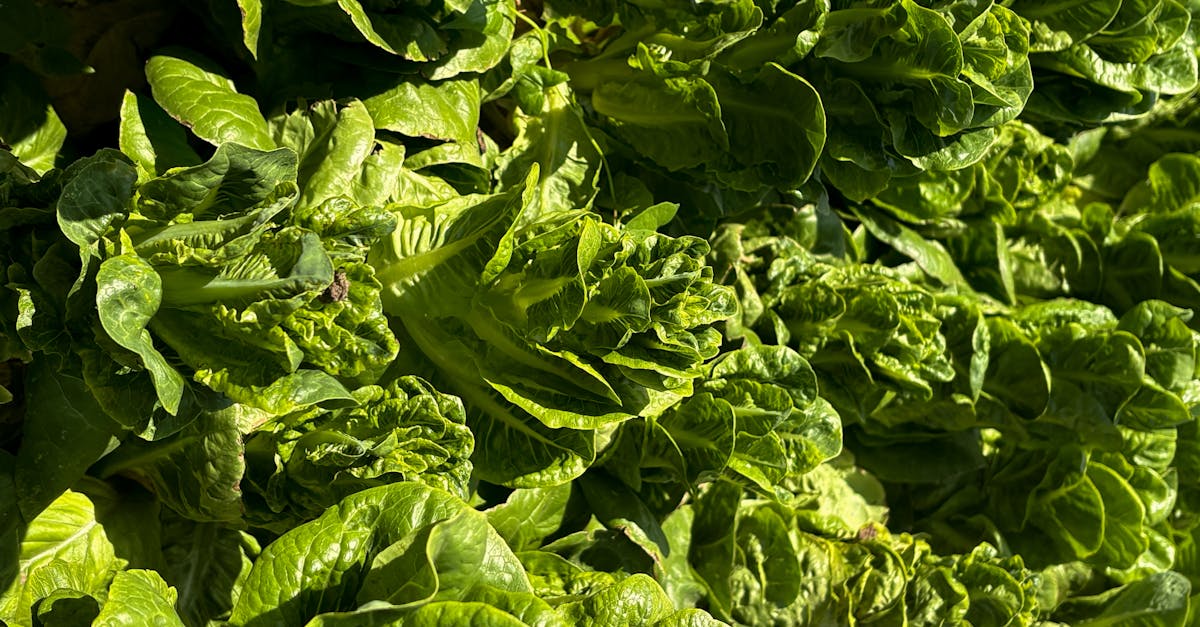
Food Revolution: Transform Your Kitchen Into a Sustainable Food Hub
What if the most powerful act of rebellion you could take today started in your own kitchen? According to the United Nations Food and Agriculture Organization, roughly one third of all food produced globally is wasted each year. That amounts to approximately 1.3 billion tons of food never reaching a plate. Meanwhile, industrial food systems continue to strain environmental resources, leaving consumers feeling disconnected from what they eat and where it comes from.
The food revolution is not about perfection. It is about progress. It is about reclaiming your kitchen as a space of intention, sustainability, and genuine nourishment. This article will guide you through transforming your home kitchen into a sustainable food hub, one that reduces waste, supports local food systems, and reconnects you with the joy of preparing real food.
By the end of this guide, you will have a clear framework for auditing your current kitchen practices, implementing zero waste strategies that actually work, and building a personal food ecosystem that aligns with your values. Whether you are just beginning to question industrial food systems or you are ready to take your sustainable eating practices to the next level, this food revolution starts with you.
The Hidden Cost of Kitchen Complacency
Most households operate their kitchens on autopilot. Groceries arrive, some get used, others expire, and the cycle repeats. The average American household throws away approximately 30 to 40 percent of the food they purchase. That translates to roughly $1,500 per year in wasted groceries for a family of four.
But the cost extends far beyond your wallet. Food waste in landfills generates methane, a greenhouse gas 25 times more potent than carbon dioxide over a 100 year period. The water, energy, and labor used to produce food that never gets eaten represents a massive drain on planetary resources.
Consider this: producing a single pound of beef requires approximately 1,800 gallons of water. When that beef spoils in your refrigerator because you forgot about it behind the leftover takeout containers, those 1,800 gallons were spent for nothing. Multiply this across millions of households, and the environmental impact becomes staggering.
The psychological cost matters too. Kitchen chaos creates decision fatigue. When you open a disorganized refrigerator with no meal plan, you are more likely to order delivery, choose convenience foods, or let fresh produce wilt while you figure out what to make. This cycle erodes both your health goals and your connection to food as nourishment rather than mere consumption.
But there is a better way. The food revolution begins not with grand gestures but with systematic changes to how you think about, store, prepare, and consume food in your own home.
The Sustainable Kitchen Hub Framework
Transforming your kitchen into a sustainable food hub requires a structured approach. The following five pillar framework provides a roadmap for lasting change without overwhelming your daily routine.
Pillar One: The Kitchen Audit Protocol
Before you can improve your kitchen systems, you need to understand your current patterns. Spend one week tracking three key metrics: what food you throw away, what food you buy but rarely use, and what meals you default to when you have not planned ahead.
Action step: Place a small notebook near your trash can. Every time you discard food, write down what it was and why. Common reasons include: forgot it was there, bought too much, did not know how to use it, or it went bad before the planned meal.
After one week, patterns will emerge. Perhaps you consistently overbuy leafy greens that wilt before you use them. Maybe you purchase specialty ingredients for recipes you never make. This data becomes the foundation for targeted improvements.
Example: Sarah, a working mother of two, discovered through her kitchen audit that she threw away an average of three containers of berries per month. They would get pushed to the back of the refrigerator and forgotten. Her solution was simple: she designated a clear front section of her refrigerator as the “eat first” zone for perishables. Berry waste dropped to near zero within a month.
Pillar Two: Strategic Storage Systems
How you store food directly impacts how long it lasts and whether you actually use it. The food revolution demands that we move beyond the “shove it in and hope for the best” approach to intentional storage design.
The visibility principle: Food you cannot see is food you will forget. Invest in clear storage containers for your pantry and refrigerator. Transfer bulk items from opaque packaging into transparent jars or bins. When you can see exactly what you have, you make better decisions about what to cook and what to buy.
The FIFO method: First In, First Out is a restaurant industry standard that belongs in every home kitchen. When you bring home new groceries, move older items to the front and place new purchases behind them. This simple rotation prevents the common scenario of discovering expired items buried behind newer ones.
Temperature zone optimization: Different areas of your refrigerator maintain different temperatures. The back of the bottom shelf is typically coldest, making it ideal for raw meat and dairy. Crisper drawers with humidity controls should house produce. Door shelves, which experience the most temperature fluctuation, work best for condiments and items with longer shelf lives.
Example: Marcus reorganized his pantry using the visibility principle and discovered he owned four partially used bags of rice and three bottles of soy sauce. By consolidating and creating a clear inventory system, he stopped buying duplicates and reduced his monthly grocery spending by 15 percent.
Pillar Three: The Zero Waste Cooking Method
Zero waste cooking is not about perfection. It is about maximizing the value of every ingredient that enters your kitchen. This pillar focuses on practical techniques that reduce waste while expanding your culinary creativity.
Root to stem cooking: Most vegetable scraps that end up in the trash are actually edible and nutritious. Broccoli stems can be peeled and sliced into stir fries. Carrot tops make excellent pesto. Beet greens sauté beautifully with garlic and olive oil. Before discarding any vegetable part, ask yourself: could this be eaten?
The scrap stock system: Keep a gallon sized bag in your freezer for vegetable scraps. Onion ends, celery leaves, mushroom stems, herb stems, and carrot peels all contribute flavor to homemade stock. When the bag is full, cover the scraps with water, add a bay leaf and some peppercorns, and simmer for an hour. Strain and freeze in portions. You now have free, flavorful stock that would have cost you money and packaging at the store.
Planned overs versus leftovers: Shift your mindset from leftovers, which implies unwanted remnants, to planned overs, which are intentional components for future meals. When you roast a chicken on Sunday, you are not just making dinner. You are creating shredded chicken for Monday tacos, bones for Tuesday stock, and the foundation for Wednesday soup.
Example: The Chen family implemented the scrap stock system and calculated they saved approximately $8 per week on store bought broth while reducing their food waste by nearly 20 percent. Over a year, that adds up to over $400 in savings from scraps they previously threw away.
Pillar Four: Local Food System Integration
A sustainable kitchen hub does not exist in isolation. It connects to the broader food ecosystem through intentional sourcing choices that support local producers and reduce the environmental impact of long distance food transportation.
The 50 mile challenge: Challenge yourself to source at least 25 percent of your weekly groceries from within 50 miles of your home. This might include farmers market produce, locally raised eggs, regional dairy products, or bread from a neighborhood bakery. Start with one category and expand gradually.
Seasonal eating alignment: When you eat seasonally, you naturally align with local availability. Tomatoes in August, squash in October, citrus in January. Seasonal produce is typically fresher, more affordable, and requires less energy intensive storage and transportation. It also tastes better because it was harvested at peak ripeness rather than picked early for long distance shipping.
Community Supported Agriculture participation: CSA programs connect you directly with local farms through subscription boxes of seasonal produce. Beyond the food itself, CSA membership creates accountability for using what you receive and exposes you to vegetables you might never have chosen on your own. Many participants report that CSA boxes expanded their cooking repertoire significantly.
Example: After joining a local CSA, the Rodriguez family encountered kohlrabi for the first time. Initial confusion turned into enthusiasm when they discovered it makes excellent slaw and can be roasted like potatoes. Their children now request “those weird purple things” regularly.
Pillar Five: The Preservation Practice
Food preservation extends the life of seasonal abundance and reduces dependence on industrial food systems. While canning and fermenting might seem intimidating, starting with simple techniques builds confidence and skills over time.
Freezer fundamentals: Your freezer is a pause button for food. Learn proper freezing techniques for different foods. Blanch vegetables before freezing to preserve color and texture. Freeze fruits in single layers on baking sheets before transferring to bags to prevent clumping. Label everything with contents and date.
Quick pickle mastery: Refrigerator pickles require no special equipment and transform vegetables approaching their prime into tangy condiments that last weeks. A basic brine of equal parts water and vinegar with salt and sugar can pickle almost anything: cucumbers, onions, carrots, radishes, even watermelon rind.
Herb preservation: Fresh herbs often come in quantities larger than a single recipe requires. Preserve excess by chopping and freezing in olive oil using ice cube trays. Alternatively, dry herbs by hanging bundles in a warm, dry location for one to two weeks. Dried herbs maintain potency for up to a year when stored properly.
Example: When her neighbor’s garden produced a bumper crop of cucumbers, Elena made 12 jars of refrigerator pickles in one afternoon. She gave half as gifts and kept the rest, enjoying homemade pickles for three months without any additional cost or packaging waste.
Ready to take your food revolution to the next level? The complete system for transforming your relationship with food, including detailed frameworks, recipes, and implementation guides, is available in one comprehensive resource. Get Food Revolution on Amazon and start building your sustainable kitchen hub today.
Common Mistakes That Derail Kitchen Sustainability
Even well intentioned efforts can falter when common pitfalls are not anticipated. Recognizing these mistakes before you make them accelerates your progress.
Mistake one: The all or nothing approach. Attempting to overhaul your entire kitchen system in one weekend leads to burnout and abandonment. Sustainable change happens incrementally. Focus on one pillar at a time, mastering it before moving to the next.
Mistake two: Buying tools before building habits. That expensive vacuum sealer will not reduce waste if you have not first established the habit of actually using your leftovers. Start with behavioral changes using equipment you already own. Add specialized tools only after you have proven you will use them consistently.
Mistake three: Ignoring household buy in. If you share your kitchen with family members or roommates, unilateral changes create friction. Involve others in the process. Explain the why behind new systems. Assign age appropriate responsibilities to children. Shared ownership of the food revolution makes it sustainable.
Mistake four: Perfectionism paralysis. You will still throw away food sometimes. You will still buy things you do not use. The goal is progress, not perfection. Track your improvements over time rather than beating yourself up over individual failures.
Your 14 Day Kitchen Transformation Challenge
Theory without action changes nothing. The following two week challenge provides a structured path from reading about sustainable kitchens to actually living in one.
Days 1 through 3: The audit phase. Track all food waste using the notebook method described in Pillar One. Photograph your refrigerator, freezer, and pantry in their current state. Note what you see and what surprises you.
Days 4 through 5: The purge and organize phase. Remove everything from your refrigerator. Clean thoroughly. Discard anything expired or unidentifiable. Reorganize using the visibility principle and FIFO method. Repeat with your pantry.
Days 6 through 7: The inventory phase. Create a simple inventory of what you have. This can be a list on paper, a note on your phone, or a whiteboard on your refrigerator. The format matters less than the habit of knowing what you own.
Days 8 through 10: The meal planning phase. Using your inventory, plan meals for the coming week that use what you already have. Shop only for items needed to complete those meals. Notice how this changes your shopping behavior.
Days 11 through 12: The scrap collection phase. Start your freezer scrap bag. Commit to saving vegetable scraps for one week before making your first batch of stock.
Days 13 through 14: The local sourcing phase. Visit a farmers market or research CSA options in your area. Purchase at least one item from a local producer. Notice the difference in freshness and flavor.
By day 14, you will have established foundational habits that support long term kitchen sustainability. The food revolution is no longer an abstract concept. It is your daily reality.
Frequently Asked Questions About Sustainable Kitchen Practices
How much money can I actually save by reducing food waste?
The average American household can save between $1,200 and $2,000 annually by reducing food waste through better planning, storage, and usage practices. Savings vary based on household size, current waste levels, and food purchasing habits. Most families see noticeable reductions in grocery spending within the first month of implementing systematic changes. The financial benefits compound over time as habits become automatic and waste reduction becomes second nature.
What is the single most impactful change I can make in my kitchen?
Implementing a weekly meal planning practice delivers the highest return on effort for most households. Meal planning reduces impulse purchases, ensures you buy only what you need, and provides a clear roadmap for using perishables before they spoil. Studies show that households with consistent meal planning routines waste 20 to 30 percent less food than those who shop without a plan. Start with planning just three dinners per week and expand from there.
How do I get my family on board with these changes?
Start with changes that benefit everyone visibly, such as a more organized refrigerator or a designated snack zone that makes finding food easier. Involve family members in decisions rather than imposing new rules. Let children choose one new vegetable to try from the farmers market. Assign age appropriate tasks like rotating pantry items or adding scraps to the freezer bag. Frame changes as a family project rather than restrictions. Celebrate wins together, such as a week with minimal food waste or a successful batch of homemade stock.
Is sustainable eating more expensive than conventional grocery shopping?
Sustainable eating can actually cost less than conventional shopping when approached strategically. While some local and organic products carry premium prices, the overall reduction in food waste typically offsets these costs. Buying seasonal produce, which is often cheaper due to abundance, and reducing reliance on processed convenience foods further improves the economics. Many families find that sustainable eating costs the same or less than their previous habits once waste reduction savings are factored in.
Taking Your Food Revolution Forward
The transformation of your kitchen into a sustainable food hub is not a destination but an ongoing practice. Each meal prepared with intention, each scrap saved from the landfill, and each local purchase made contributes to a larger shift in how we relate to food as individuals and as a society.
The food revolution gains momentum through small, consistent actions repeated over time. You do not need to be perfect. You need to be persistent. The systems and frameworks outlined in this guide provide structure, but your commitment provides the energy that makes change real.
Your three key takeaways:
- Start with a kitchen audit to understand your current patterns before attempting changes. Data driven decisions outperform guesswork every time.
- Implement the visibility principle in your storage systems. Food you can see is food you will use. Clear containers and intentional organization prevent waste before it happens.
- Connect your kitchen to local food systems through farmers markets, CSA programs, or direct relationships with producers. This connection transforms eating from consumption into participation in your community’s food ecosystem.
The food revolution is not about returning to some idealized past or achieving an impossible standard of sustainability. It is about making better choices, one meal at a time, in the kitchen you already have. Every improvement matters. Every conscious decision adds up.
For those ready to dive deeper into transforming their relationship with food, comprehensive guidance awaits. Get Food Revolution on Amazon for the complete framework, including detailed implementation guides, recipes designed for zero waste cooking, and advanced strategies for building your sustainable kitchen hub. Your food revolution starts now.
