
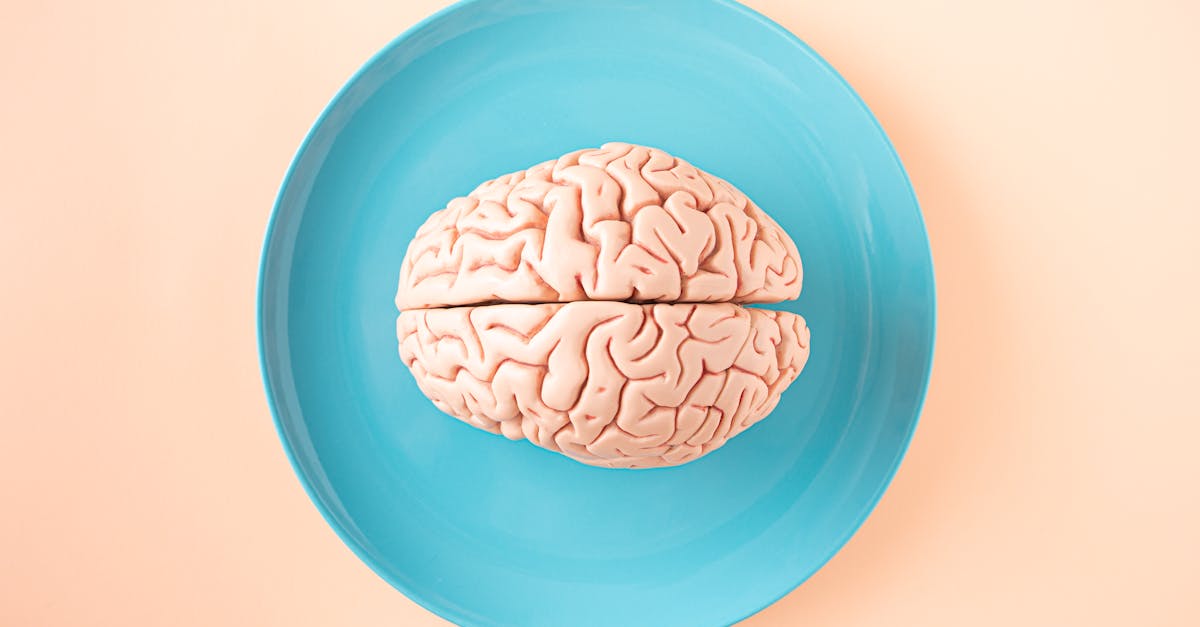
Mastering Learning: The Cognitive Science of Technology and Science for Teaching
Unlock Deeper Learning: The Power of Technology and Science for Teaching
In an educational landscape constantly evolving, educators face the dual challenge of integrating new technologies while ensuring these tools genuinely enhance learning. The sheer volume of digital platforms, interactive software, and online resources can feel overwhelming, often leading to a scattergun approach where novelty sometimes overshadows pedagogical effectiveness. However, a strategic approach, one deeply rooted in the cognitive science of learning, offers a powerful pathway forward. This is where the synergy of Technology and Science for Teaching truly shines, moving beyond superficial engagement to cultivate profound understanding and lasting skill acquisition in students.
Many teachers, despite their best intentions, find themselves grappling with questions like: Does this new app truly benefit my students? Am I using technology merely for convenience, or am I leveraging it to optimize cognitive processes? How can I ensure that digital tools align with proven learning principles rather than detracting from them? This article will equip you with a robust framework, grounded in educational psychology and cognitive science, to navigate the digital frontier. We will debunk common myths, dive deep into the scientific underpinnings of effective tech integration, and provide actionable insights that transform your classroom practices. Prepare to discover how a principled approach to technology can unlock unprecedented learning potential for every student.
3 Myths Holding You Back on Technology and Science for Teaching
The journey to effectively integrate technology and science into teaching is often hampered by pervasive misconceptions. These myths, while seemingly intuitive, can lead to inefficient practices and missed opportunities. By confronting and dispelling them, educators can adopt a more evidence-based and impactful approach.
Myth 1: Technology Automatically Improves Learning Outcomes
Reality: Pedagogy, Not Just Presence, Drives Impact. One of the most common pitfalls is the belief that simply introducing technology into the classroom will inherently lead to better learning. A new interactive whiteboard, a class set of tablets, or access to an advanced learning management system does not, in itself, guarantee improved student performance. Research consistently shows that the effectiveness of educational technology is overwhelmingly dependent on how it is used, not merely that it is used. If a digital tool is employed to replicate traditional, passive teaching methods, its impact will be minimal. For example, using a tablet to simply read a digital textbook is not inherently superior to a physical one. However, using that same tablet to facilitate collaborative problem-solving, real-time formative assessment, or personalized adaptive practice leverages its unique capabilities to create novel learning experiences.
The core principle here is that technology must serve pedagogical goals rooted in learning science. It should enable active learning, foster deeper cognitive processing, and provide opportunities for constructive feedback. Without intentional design and informed pedagogical choices, technology can become a distraction rather than a powerful instructional aid. The “shiny new tool” syndrome often leads educators to adopt technologies without a clear understanding of their alignment with learning objectives and established cognitive principles.
Myth 2: More Tech Equals Better Teaching and Engagement
Reality: Strategic Integration and Cognitive Load Management are Key. The temptation to layer on more and more technology can be strong, driven by the desire to keep students engaged in a digital world. However, an abundance of tools, apps, and platforms can quickly overwhelm students and teachers alike, leading to fragmented learning experiences and increased cognitive load. Cognitive load theory suggests that our working memory has a limited capacity. When too many extraneous elements, such as navigating complex interfaces, switching between multiple applications, or dealing with distracting multimedia, are introduced, the capacity for actual learning is diminished.
Effective Technology and Science for Teaching emphasizes strategic, purposeful integration. This means selecting technologies that streamline processes, provide clear benefits, and align with specific learning objectives without adding unnecessary complexity. For instance, using a single, robust simulation platform to teach scientific concepts is often more effective than jumping between several different, less integrated apps. Furthermore, engagement derived from novelty or flashy graphics is often superficial and short-lived. True engagement stems from intellectual challenge, relevance, and a sense of accomplishment, all of which can be amplified by technology when used thoughtfully, but not by technology alone.
Myth 3: The Science of Learning is Only for Researchers, Not Classroom Teachers
Reality: Actionable Cognitive Insights are Essential for Every Educator. Some educators might feel that concepts like cognitive load theory, metacognition, or retrieval practice are abstract academic constructs best left to educational researchers. This perspective misses a critical point: these scientific principles are the bedrock of effective instruction, whether technology is involved or not. Understanding how the brain learns, retains, and retrieves information empowers teachers to make informed decisions about lesson design, activity selection, and assessment strategies.
For example, knowing about the spacing effect (distributing learning over time) and the interleaving effect (mixing different topics or types of problems) directly informs how teachers might schedule review sessions or structure homework using digital platforms. Understanding retrieval practice, the act of actively recalling information, is fundamental to designing effective quizzes, flashcards, or interactive review games. Technology provides powerful new avenues to implement these scientifically proven strategies at scale and with greater personalization. By embracing the science of learning, teachers can transform their intuition into evidence-based practice, ensuring that their use of technology is not just innovative, but genuinely impactful.
The Cognitive Science of Tech-Enhanced Learning: A Deep Dive
True mastery in Technology and Science for Teaching comes from understanding the underlying cognitive processes that drive learning. When technology is thoughtfully applied to support these processes, its potential to enhance educational outcomes is immense. This deep dive will explore how key cognitive science principles can be leveraged through technological integration, progressing from foundational concepts to more advanced applications.
Level 1: Beginner – Enhancing Basic Memory and Comprehension with Tech
At the most fundamental level, technology can significantly bolster basic memory processes and comprehension, which are crucial for building foundational knowledge. Two well-researched cognitive strategies are particularly relevant here: active recall and spaced repetition.
- Active Recall: This involves retrieving information from memory rather than passively re-reading or re-listening. It strengthens memory traces and helps students identify gaps in their knowledge.
- Spaced Repetition: This strategy involves reviewing information at increasing intervals over time, aligning with how our brains consolidate memories most effectively.
Technology Application: Digital flashcard applications (e.g., Anki, Quizlet) are prime examples of tools that seamlessly integrate both active recall and spaced repetition. Students can create or use pre-made decks, and the algorithm automatically schedules reviews based on their performance, prioritizing more challenging items. Online quiz platforms (e.g., Kahoot, Quizizz, Google Forms) also facilitate active recall, providing immediate feedback that is essential for learning. Interactive whiteboards or collaborative online documents can be used for quick, low-stakes recall activities where students write down everything they remember about a topic before discussion.
Pro Tip: Encourage students to create their own digital flashcards or quiz questions. The act of formulating questions requires deeper processing and understanding, making it an active learning strategy in itself. Integrate these short, frequent recall opportunities into every lesson, rather than just before major assessments. For instance, start a class with a 2-minute digital poll recalling a concept from the previous day.
Level 2: Intermediate – Managing Cognitive Load and Facilitating Multimedia Learning
Once foundational memory is addressed, the next level involves optimizing how information is presented to avoid overwhelming students and to leverage the brain’s capacity for processing different types of information. Cognitive Load Theory and the principles of multimedia learning are vital here.
- Cognitive Load Theory: This theory posits that our working memory has limited capacity. Instruction should be designed to minimize extraneous cognitive load (unnecessary processing) and manage intrinsic load (complexity of the material itself) to maximize germane load (processing that leads to learning).
- Multimedia Learning Principles: Developed by Richard Mayer, these principles (e.g., coherence, signaling, contiguity, modality) provide guidelines for designing effective instruction that combines words and pictures. They aim to reduce cognitive load and enhance understanding by aligning with how humans process information.
Technology Application: Educational videos, interactive simulations, and carefully designed e-learning modules are powerful tools here. For example, a well-produced video uses animation and narration to explain a complex scientific process, adhering to the multimedia principle of contiguity (presenting words and relevant visuals simultaneously) and modality (using both auditory and visual channels). Simulations (e.g., PhET Interactive Simulations) allow students to manipulate variables and observe outcomes, reducing intrinsic load by making abstract concepts concrete. Tools for creating digital presentations (e.g., Google Slides, Prezi) can be guided by the coherence principle, removing extraneous graphics or text. Annotation tools on digital documents or PDFs allow students to highlight and make notes directly, improving signaling and promoting active engagement without switching between multiple resources.
Pro Tip: When using multimedia, always narrate complex visuals instead of having students read text on the screen while simultaneously viewing. This adheres to the modality principle, distributing cognitive load across visual and auditory channels, which is more efficient for processing than reading and viewing simultaneously. Also, explicitly tell students what to pay attention to in a complex visual or video (signaling principle) to guide their focus and reduce extraneous load.
Level 3: Advanced – Fostering Metacognition and Self-Regulated Learning
The highest level of impactful tech integration supports students in becoming autonomous, strategic learners. This involves cultivating metacognition (thinking about one’s own thinking) and self-regulated learning (the ability to monitor and control one’s learning processes).
- Metacognition: This includes self-monitoring, self-assessment, and self-reflection. It’s about students understanding their strengths, weaknesses, and what strategies work best for them.
- Self-Regulated Learning (SRL): Encompasses setting goals, planning, strategizing, monitoring progress, and adapting learning behaviors. It’s a cyclical process where learners take active control of their own learning.
Technology Application: Digital portfolios are excellent for fostering metacognition, allowing students to curate their work, reflect on their learning journey, and set future goals. Learning analytics dashboards, increasingly common in modern learning management systems (LMS), can provide students with insights into their own performance, study habits, and progress, thereby facilitating self-monitoring and goal adjustment. Mind mapping software (e.g., MindMeister, Coggle) can help students visualize their thinking, organize knowledge, and plan complex projects, directly supporting SRL. Collaborative writing tools (e.g., Google Docs) can be used for peer feedback cycles, where students evaluate each other’s work against rubrics, refining their metacognitive assessment skills. Even simple online journaling tools can be used for daily reflections on learning strategies.
Pro Tip: Implement regular “check-ins” where students use an online form or discussion board to reflect on their learning process. Ask questions like: “What was challenging about this topic and why?” “What strategy did you use to overcome it?” “How will you approach similar challenges in the future?” Provide models of effective reflection. This scaffolded reflection, supported by digital platforms, helps build metacognitive awareness over time.
Want the complete system for applying these cognitive science principles with practical technology strategies? Gain access to a comprehensive guide filled with actionable frameworks and proven methods to transform your teaching. Get your copy of Technology and Science for Teaching on Amazon → Mastering Learning: The Cognitive Science of Technology and Science for Teaching on Amazon
Your Strategic Technology and Science for Teaching Toolkit
Building on the cognitive science principles, this toolkit provides specific types of technology and practical quick-start tips to implement them in your classroom. The focus is on selecting tools that directly support active recall, manage cognitive load, and foster metacognitive skills, ensuring your use of technology is always purposeful and impactful.
Tools for Enhancing Active Recall and Spaced Repetition
- Quizizz/Kahoot: These platforms transform quizzes into engaging games. They provide immediate feedback and allow teachers to create and share question sets easily.
- Use Case: Quick warm-ups, exit tickets, or review sessions to assess prior knowledge and reinforce recent lessons.
- Quick Start Tip: Create a 5-question “Do Now” quiz at the start of class based on yesterday’s lesson. This primes students for learning and provides immediate data on comprehension.
- Anki/Quizlet: Digital flashcard systems that use spaced repetition algorithms.
- Use Case: Vocabulary acquisition, memorization of facts, formula recall, or concept definitions across all subjects.
- Quick Start Tip: Teach students how to create effective flashcards (e.g., one concept per card, use images). Encourage them to create their own decks for complex topics, promoting active processing.
Tools for Managing Cognitive Load and Effective Multimedia Learning
- Screencastify/Loom: Video recording tools that allow teachers to record their screen, webcam, and microphone simultaneously.
- Use Case: Creating short, focused instructional videos that explain complex topics. These can act as “pre-loaders” for lessons, reducing in-class lecture time and ensuring consistent delivery.
- Quick Start Tip: When explaining a diagram or process, narrate what you are pointing to on the screen. Avoid putting large blocks of text on the screen while you are talking, as this splits student attention (modality principle).
- PhET Interactive Simulations (University of Colorado Boulder): Free, interactive math and science simulations.
- Use Case: Allowing students to explore scientific phenomena and mathematical concepts hands-on, visualizing abstract ideas without complex physical setups. Reduces intrinsic load by making concepts concrete.
- Quick Start Tip: Provide guiding questions or a simple exploration task. Focus on one or two key variables at a time to prevent cognitive overload.
Tools for Fostering Metacognition and Self-Regulated Learning
- Google Docs/Microsoft 365 (with comment features): Collaborative document creation and editing tools.
- Use Case: Peer review and feedback, allowing students to critically evaluate each other’s work against criteria, fostering self-assessment skills.
- Quick Start Tip: Implement structured peer review using a specific rubric or guiding questions within the document’s comment features. Train students on giving constructive feedback focusing on both strengths and areas for improvement.
- Flipgrid/Voicethread: Video discussion platforms.
- Use Case: Providing opportunities for students to verbalize their thought processes, explain their reasoning, and reflect on their learning. This externalization helps build metacognitive awareness.
- Quick Start Tip: Assign reflection prompts after a complex project or lesson. Ask students to describe what they learned, what challenges they faced, and what strategies they used to overcome them. Encourage them to listen to peers’ reflections.
- Online Learning Management Systems (LMS) with Analytics (e.g., Canvas, Schoology, Moodle): Most modern LMS platforms offer basic analytics for student engagement and performance.
- Use Case: Helping students monitor their own progress, track completion rates, and identify areas where they might need to spend more time or seek support.
- Quick Start Tip: Periodically review LMS data with students, showing them how to interpret their activity logs or quiz scores. Frame it as a tool for self-improvement and strategy adjustment, not just a grade report.
By thoughtfully integrating these types of tools, educators can create a rich, scientifically informed learning environment that not only engages students but also optimizes their cognitive processes for deeper, more lasting learning.
FAQ: Applying Technology and Science for Teaching Effectively
How can I ensure technology integration doesn’t just become a distraction in the classroom?
The key to preventing technology from becoming a distraction lies in purposeful integration, aligning every tool with a specific pedagogical goal rooted in learning science. Before introducing any new technology, ask yourself: What cognitive process does this technology enhance? Does it facilitate active recall, manage cognitive load, or foster metacognition? If the answer is unclear, or if the technology merely replicates a less effective traditional method, it risks becoming a distraction. Regular monitoring and explicit instruction on how to use the tool for learning, rather than for entertainment, are also crucial. Establishing clear classroom norms for tech use helps students focus on the learning objectives.
What is the most important cognitive science principle for teachers to understand when using technology?
While many principles are vital, understanding Cognitive Load Theory is arguably the most important. It helps teachers design instruction that prevents student overwhelm and optimizes learning efficiency. When using technology, it’s easy to inadvertently increase extraneous cognitive load through flashy interfaces, too many features, or poorly organized multimedia. By consciously designing digital activities that minimize unnecessary mental effort and focus on essential content, teachers ensure that students’ working memory is free to process and learn new information effectively. This involves thoughtful choices about presentation, pacing, and interaction.
How can I measure the effectiveness of technology I’m using in my teaching?
Measuring effectiveness requires more than just observing student engagement. Focus on tangible learning outcomes and process improvements. Use formative assessments (digital quizzes, interactive polls, discussion forums) to check for understanding immediately after tech-enhanced activities. Track student performance over time using learning analytics provided by LMS platforms. Gather qualitative feedback from students through surveys or short reflections on what they found helpful or challenging about the technology. Compare student mastery of concepts when using technology versus traditional methods, perhaps through A/B testing with different groups. The goal is to see if the technology genuinely contributes to deeper understanding, skill development, or greater learning autonomy, rather than just superficial engagement.
My school has limited technology resources. How can I still apply the science of teaching?
Limited technology resources do not preclude applying the science of teaching. Many cognitive principles, such as active recall, spaced repetition, and metacognition, can be implemented with low-tech or no-tech methods. For instance, instead of digital flashcards, use physical ones. Instead of online quizzes, use mini whiteboards or think-pair-share. The science of learning is about *how* people learn, not *what tools* they use. If you have even one computer and projector, you can use it to display carefully designed multimedia, short instructional videos, or share resources for a whole class. Focus on the pedagogical design first, then explore how available technology, however minimal, can support those designs. Even simple online resources can be highly effective if integrated thoughtfully.
Empowering Your Teaching with Cognitive Science and Technology
The journey to mastering Technology and Science for Teaching is less about adopting every new gadget and more about understanding the timeless principles of how humans learn. By debunking common myths, diving deep into cognitive science, and strategically selecting tools that align with these principles, educators can move beyond mere tech integration to truly transformative teaching.
Remember, the goal is not to replace the human element of teaching with technology, but to amplify the educator’s impact. Technology, when informed by the science of learning, becomes a powerful co-pilot, enabling personalized pathways, reducing cognitive hurdles, and fostering a generation of self-regulated, metacognitively aware learners.
Your commitment to understanding these dynamics is the single greatest determinant of successful educational outcomes in our increasingly digital world. Embrace the science, empower your teaching, and watch your students thrive.
Key Takeaways for Transformative Teaching:
- Prioritize Pedagogy Over Pings: Ensure every tech choice serves a clear, science-backed learning objective, rather than merely adding digital bells and whistles.
- Mind the Cognitive Load: Design digital learning experiences that streamline information processing, minimizing distractions and maximizing meaningful engagement.
- Cultivate Self-Aware Learners: Leverage technology to empower students with metacognitive tools, helping them understand how they learn best and take ownership of their educational journey.
For a comprehensive guide that bridges the gap between educational theory and practical tech application, look no further. Dive deeper into these strategies and unlock the full potential of your classroom. Get your copy of Technology and Science for Teaching today and transform your pedagogical approach. Available now on Amazon: Mastering Learning: The Cognitive Science of Technology and Science for Teaching on Amazon
