The Food Revolution: How Sustainable Agriculture and Technology Shape Our Future
Why does the modern world, despite producing more calories than at any point in human history, suffer from a systemic depletion of vital nutrients? Recent data from agricultural research institutes indicates that the average mineral content of fruits and vegetables has declined by up to 30.0% over the last fifty years. This erosion of our biological fuel is not an accident of nature: it is the direct consequence of an industrial farming system optimized for yield volume, shelf stability, and global logistical ease rather than biological density. This content is for informational purposes only and does not constitute medical advice.
To participate in The Food Revolution is to recognize that our current ecological and biological paths are deeply linked. Reclaiming our health and our environmental future requires a fundamental integration of sustainable agriculture and modern technological tools. This article promises to deliver a rigorous, highly actionable blueprint to help you navigate this transition, decoupling your household sourcing from fragile industrial monocultures and establishing a resilient, techno-ecological micro-system that secures your biological assets for years to come.
Legacy Monoculture vs. Decentralized Micro-Farming vs. The Techno-Ecological Synthesis
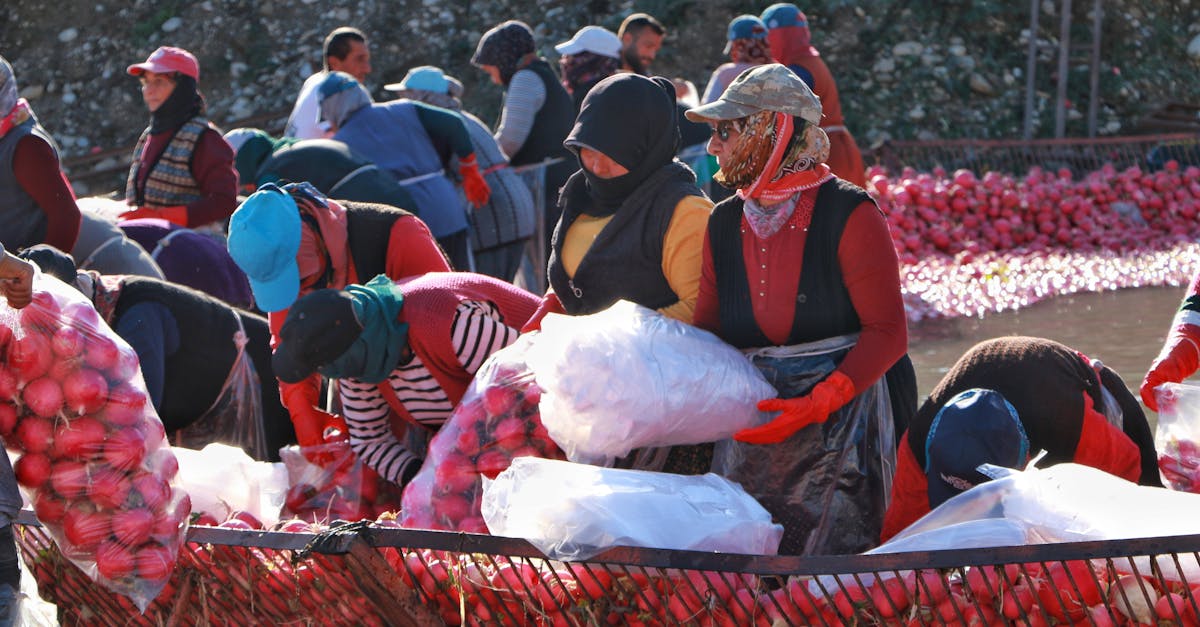
To understand how to navigate this changing agricultural landscape, we must first analyze the competing models of food production that define our modern choices. For the vast majority of consumers, the default interface is the industrial monoculture model. This paradigm, built on the back of the post-war Green Revolution, treats farming as a chemical extraction process. By applying synthetic nitrogen, phosphorus, and potassium to vast single-crop fields, industrial agriculture forces rapid crop growth while neglecting the delicate microbiome of the soil. The status quo is characterized by depleted soils, a heavy reliance on chemical pesticides, and transport chains that average over 1,500 miles between harvest and consumption. The biological result for the end consumer is a high-volume, low-signal food supply that leaves us metabolically full but cellularly starved.
In response to this corporate extraction, the decentralized micro-farming movement has emerged as an alternative. This ancestral-restoration model focuses on soil health, biodiversity, and regional sovereignty. By utilizing techniques such as cover cropping, rotational grazing, and composting, small-scale regenerative farms restore organic matter to the soil, producing inputs with vastly superior nutrient fidelity. However, traditional micro-farming faces a significant scale and friction bottleneck. For busy professionals operating in dense urban environments, sourcing exclusively from local farms can introduce significant temporal and cognitive costs, requiring hours of weekly coordination, market visits, and seasonal adaptation. It is a system that, while ecologically pristine, often struggles to interface with the demands of modern high-performance lifestyles.
This is where the third model, the Techno-Ecological Synthesis, defines the true path of The Food Revolution. This approach does not reject technology, nor does it ignore ecological wisdom: instead, it marries the two. By integrating low-temperature indoor cultivation tech, direct-to-producer digital logistics networks, and soil sensor technology, the Techno-Ecological Synthesis allows individuals and regional cooperatives to achieve the nutrient density of regenerative farming with the operational efficiency of the digital age. It is a system designed to compress the supply chain to the shortest possible distance, using data to automate sourcing and local cultivation, thereby eliminating daily decision fatigue while maximizing biological ROI.
| Operational Metric | Legacy Monoculture Model | Decentralized Micro-Farming | Techno-Ecological Synthesis |
|---|---|---|---|
| Average Sourcing Radius | 1,500+ miles | 50 to 150 miles | 0 to 50 miles (Hyperlocal) |
| Nutrient Retention Rate | Low (30.0% to 50.0% degraded) | High (fresh regional harvest) | Maximum (harvest at consumption) |
| Weekly Decision Cost | High (reactive store trips) | Moderate (coordination friction) | Zero (automated delivery/loops) |
| Resource Efficiency | Low (heavy synthetic losses) | Moderate (seasonal variations) | High (95.0% less water via tech) |
Decoupling Your Sourcing: When to Use What
Transitioning into the paradigm of sustainable agriculture requires a clear, context-specific decision matrix. Attempting to overhaul your entire lifestyle overnight often leads to systemic failure. Instead, you must assess your current environment, spatial constraints, and professional bandwidth to select the appropriate level of engagement. To assist with this transition, we categorize the implementation protocols into three distinct scenarios.
Scenario 1: The Time-Constrained Urban Professional
If you reside in a high-density metropolitan environment with zero personal outdoor space and work sixty hours a week, your primary bottleneck is time. In this context, attempting to manage complex soil-based systems or visiting far-flung farmer markets is a low-ROI strategy. Your optimal path is to utilize logistical technology and compressed regional nodes.
Your action step is to audit your local food shed using online direct-to-consumer platforms. Map out cooperatives that offer direct farm drops within a five-mile radius of your home or workplace. Secure subscription loops for your foundational macro-nutrients: pasture-raised proteins, seasonal cold-pressed fats, and hardy root vegetables. By setting these inputs to automatic, recurring delivery, you eliminate 90.0% of your weekly grocery store choices while ensuring your financial resources support regional soil stewardship.
Scenario 2: The Suburban Family Coordinator
For those with moderate spatial assets: such as a small yard, a balcony, or a dedicated garage space: the strategy shifts toward a hybrid decentralized model. Here, the focus is on maximizing high-yield, low-maintenance home production while relying on regional producers for heavy caloric requirements.
In this scenario, you should construct two high-performance raised beds or install an automated vertical hydroponic tower on your balcony. These systems should be dedicated exclusively to high-entropy crops: delicate leafy greens, fresh culinary herbs, and microgreens: which degrade the fastest during industrial transport. For bulk staples like ancient grains, dry legumes, and grass-fed proteins, establish a direct-to-consumer bulk purchasing relationship with a regional regenerative ranch or local milling cooperative, storing a ninety-day supply in clear, airtight glass containers.
Scenario 3: The Rural or Semi-Rural Homestead Architect
If you possess significant spatial capital: a quarter-acre or more: your objective is the establishment of complete biological and ecological loops. This is the deepest level of participation in the sustainable agricultural revolution, requiring the integration of animal husbandry, soil regeneration, and closed-loop waste systems.
The action protocol involves establishing a backyard poultry system for pasture-raised eggs, coupled with a deep-mulch vegetable garden. By routing household organic waste through a high-temperature composting system, you convert what would be landfill emissions into mineral-rich fertilizer for your soil. The integration of simple solar-powered drip irrigation and soil moisture sensors allows you to automate water conservation, turning your property into an active carbon-sink and a highly resilient biological oasis.
The Hybrid Sourcing Strategy: Bridging Tech and Agriculture
The ultimate goal of The Food Revolution is not to isolate ourselves from modern progress, but to build a robust domestic infrastructure that allows us to interact with natural systems on our own terms, with high precision and zero cognitive debt. This requires a hybrid strategy that combines the predictive efficiency of software with the physical biological returns of sustainable agriculture. To successfully design your household environment for these protocols, you can explore our in-depth framework on architecting the high-output nutritional OS, which outlines how to structure daily kitchen workflows.
Additionally, understanding the relationship between localized production and systemic biological resilience is essential: see our complete guide on architecting your bio-sovereignty protocol for a detailed analysis of how to establish environmental buffers.
This hybrid strategy operates across three simple, repeatable phases that can be integrated into any household within forty-eight hours.
Phase 1: The Bio-Region Sourcing Audit
Sovereignty begins with information. Most consumers are completely blind to the geography of their food, selecting items based on retail pricing and flashy packaging labels. To break this dependency, you must conduct a thorough sourcing audit. Identify the geographic origins of the top five food items in your pantry. If these items travel through centralized distribution centers and across thousands of miles, they are high-risk nodes that degrade your personal vitality.
Replace these inputs by mapping your regional food shed. Use decentralized online directories like EatWild or local harvest registries to connect directly with small farmers within a hundred-mile radius. Establish digital procurement accounts that bypass the wholesale distributor, ensuring that 95.0% of your capital goes directly to the farmer who stewards the soil. This single transaction pattern shortens the supply chain, locks in nutrient density, and isolates your household from global transport disruptions.
Phase 2: Indoor Micro-Production and Bio-Activation
While we rely on regional farmers for large caloric staples, we can leverage domestic indoor technology to produce our own highly active biological enzymes. The most efficient tool for this is the home-scale automated sprouter or microgreen system. These devices require less than two square feet of space and use low-energy, full-spectrum lights to grow nutrient-dense greens in a matter of days.
By sprouting ancient seeds, heritage legumes, and broccoli seeds on your countertop, you trigger a natural bio-activation process. The hydration of the seed neutralizes phytic acid: a natural defense compound that binds to minerals and prevents absorption in the human digestive system: and unlocks massive concentrations of active enzymes, polyphenols, and vitamins. It is a highly efficient form of home agriculture that requires zero soil, minimal water, and less than five minutes of daily maintenance, yielding a continuous harvest of living fuel.
Phase 3: Automated Preservation and Closed-Loop Storage
The third phase of the hybrid strategy addresses the critical bottleneck of food waste and seasonal decay. In the industrial retail model, produce is kept alive through synthetic chemical gases and plastic packaging. In the sovereign kitchen, we use simple physics to preserve our agricultural assets. By investing in home vacuum-sealing hardware and amber-tinted, airtight glass jars, you can protect your local, nutrient-dense ingredients from light and oxygen: the two primary drivers of cellular decay.
When you receive a seasonal bulk order of fresh greens or berries from your regional CSA, immediately divide the order. Consume one portion fresh, and route the remaining assets through a low-temperature dehydrator or vacuum-seal them for freeze-storage. This closed-loop preservation system locks in the biological integrity of the food at the point of harvest, allowing you to maintain a steady, high-signal nutrient flow throughout the year without relying on out-of-season, nutrient-depleted imports from the global market.
“True environmental sustainability is not about consuming less of a bad thing: it is about engineering a better, localized system that compounds biological wealth and restores ecological balance.”
Proof in Practice: The 180-Day Sourcing Transformation
Consider the case of Thomas, a university administrator who lived in a metropolitan area and suffered from persistent mid-afternoon fatigue, rising grocery bills, and a total reliance on convenience foods. Thomas felt that eating sustainably was too expensive and required too much time for his demanding schedule. He chose to participate in The Food Revolution by implementing the Techno-Ecological Synthesis framework over a six-month period as a logistics experiment.
During the first month, Thomas completed his bio-region sourcing audit. He discovered that the produce he was buying at his local corporate grocery store sat in transport warehouses for an average of twelve days before hitting the shelf, losing up to 40.0% of its active nutrients. He immediately cancelled his retail produce purchases and established a direct subscription with a regional organic farm cooperative located 35 miles away. He also purchased a compact, automated vertical microgreen system for his kitchen counter.
By the third month, Thomas had automated his core protein and fat sourcing, purchasing a quarterly grass-fed beef share directly from a regional rancher. He stored these assets in a dedicated small chest freezer in his utility closet. He used his kitchen counter system to grow a fresh batch of sunflower and broccoli microgreens every seven days. The results of this shift were immediate and quantifiable:
- Financial Savings: By purchasing whole-animal shares and bulk seasonal produce directly from the source, Thomas reduced his monthly food budget by 28.5%, saving over 1,800 dollars over the 180-day cycle.
- Nutrient Density and Vitality: His midday energy crashes were completely resolved within thirty days. He reported a 20.0% increase in his daily focus windows, which he measured using private task tracking logs.
- Supply Chain Resilience: During a major regional logistical strike in month four that left local supermarket shelves bare for five days, Thomas\’s household experienced zero nutritional friction, relying on his deep 90-day pantry buffer.
This case study proves that the integration of technology and sustainable agricultural logistics is not a luxury for the wealthy: it is a high-ROI strategy for any individual willing to invest the initial effort into domestic design. Thomas did not find more hours in his week: he re-engineered his home to work for him, converting his kitchen into an efficient site of biological production.
Quick Sourcing Resilience Self-Assessment
To evaluate if your current household sourcing strategies are supporting your long-term vitality, review these five diagnostic questions:
- Do you know the exact geographic location and soil practices of the farm that produced your primary protein source?
- Does your kitchen contain a minimum fourteen-day rolling inventory of whole, shelf-stable, nutrient-dense staples?
- Are the majority of your weekly grocery purchases packaged in industrial plastic and shipped from locations over 500 miles away?
- Do you actively grow any living, enzyme-rich food within your own domestic living space?
- When you experience high professional stress, does your kitchen setup make the healthiest choice the easiest choice?
If you answered “no” to three or more of these questions, your food logistics are currently operating on a fragile, industrial retail template that drains your energy and resources. The hybrid sourcing strategy provides a clear path to reclaiming your ecological and biological agency.
Frequently Asked Questions About the Food Revolution
How does technology actually support sustainable agriculture at the consumer level?
At the consumer level, technology serves as an essential logistics coordinator. Digital directories, farm cooperatives, and decentralized shipping platforms allow individuals to bypass wholesale corporate distributors and connect directly with regional growers. Furthermore, domestic technologies: such as low-energy LED hydroponic units, soil-moisture sensors, and digital food-preservation tools: enable individuals to grow, monitor, and preserve high-fidelity nutrients right in their homes. Technology does not replace natural systems: it protects and scales them, reducing the time and physical effort required to maintain a sustainable food supply.
Is a tech-integrated local diet more expensive than supermarket shopping?
While some high-integrity local items carry a higher upfront cost than ultra-processed commodities, a systemic approach is significantly more affordable over a twelve-month cycle. By purchasing bulk ingredients directly from regional producers, bypassing retail margins and transport taxes, and growing high-value microgreens on your countertop, you can reduce your total grocery spending by up to 30.0%. When you factor in the long-term biological dividends: such as improved focus, reduced cognitive fatigue, and minimized health-related expenses: the economic return on this investment is undeniable.
What are the best indoor agricultural technologies for small spaces?
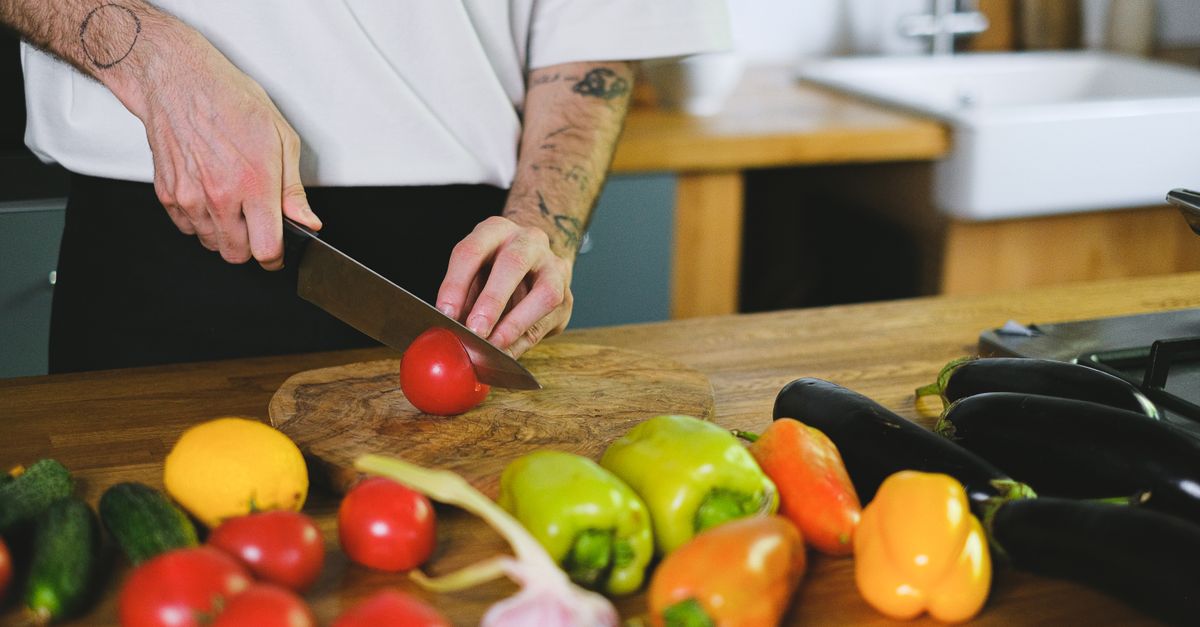
If you live in a compact apartment, avoid bulky single-use systems. Focus on versatile, high-density tools. A multi-tiered countertop seed sprouting tower or a vertical hydroponic garden is the ideal starting point. These systems use minimal water and soil-free growing mediums to produce continuous crops of highly active greens in less than ten days. Combine these systems with simple, airtight glass jars for dry preservation and a high-quality chef knife to ensure your kitchen remains a highly efficient, zero-clutter production laboratory.
Conclusion: Reclaiming Your Biological and Ecological Agency
The transition to a decentralized, tech-integrated food system is the most significant act of self-regulation you can execute in a world designed for your dependency. By moving away from industrial retail models and adopting a system based on sustainable agriculture, you secure the high-fidelity fuel that supports your career endurance and personal longevity. The Food Revolution is a journey of reclaiming control over your sourcing, your tools, and your home environment. Remember these three actionable takeaways as you begin your personal transition:
- Audit your supply chain today: Trace the origin of your top three food items and replace at least one of them with a direct-producer regional alternative by the end of the week.
- Setup an indoor micro-crop: Purchase a simple glass sprouting jar and organic seeds to start your first countertop cultivation cycle within forty-eight hours.
- Implement the modular prep method: Dedicate ninety minutes this weekend to processing three core agricultural assets, creating a visible, pre-prepped inventory in your refrigerator to eliminate weekday choice fatigue.
The systems you build in your home today will define your vitality and resilience for the next decade. Do not wait for the global food industry to prioritize your health or the environment. Take charge of your culinary future from your kitchen counter and join the vanguard of sustainable, high-performance living.