
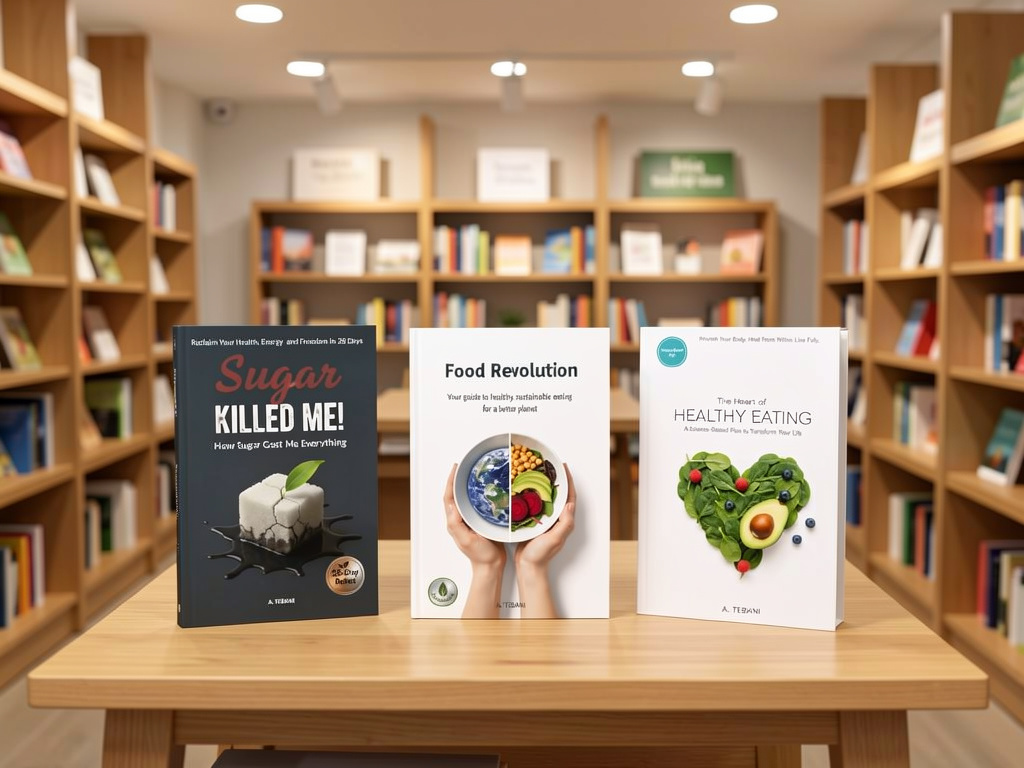
The Heart of Healthy Eating: Kitchen Psychology for Lasting Change
Why do 95% of diets fail within the first year? The answer has nothing to do with willpower, calorie counting, or finding the perfect meal plan. After decades of research into behavioral nutrition, scientists have discovered something remarkable: lasting dietary change happens not in the gym or the grocery store, but in the six inches between your ears.
The heart of healthy eating lies in understanding the psychological architecture that drives every food decision you make. From the moment you wake up until you close the refrigerator door at midnight, your brain processes thousands of micro-decisions about food. Most of these happen below conscious awareness, guided by neural pathways carved through years of habit, emotion, and environmental cues.
This article takes a different approach than typical nutrition advice. Instead of giving you another meal plan or superfood list, we will explore the kitchen psychology that determines whether healthy eating becomes a temporary phase or a permanent lifestyle. You will learn the three cognitive shifts that transform your relationship with food, discover how to rewire your brain’s reward system, and walk away with a practical framework for making healthy choices feel automatic rather than exhausting.
By the end of this guide, you will understand why previous attempts at healthy eating may have failed and, more importantly, how to make this time different.
The Hidden Architecture of Food Decisions
Every day, the average person makes over 200 decisions about food. What to eat, when to eat, how much to eat, where to eat. Most of these choices happen on autopilot, governed by what psychologists call the “cognitive food environment.” This invisible architecture shapes your eating patterns more powerfully than any diet book ever could.
Consider this scenario: You come home after a stressful day at work. The kitchen counter holds a bowl of fresh fruit and a bag of chips. Which do you reach for? The answer depends less on your commitment to healthy eating and more on factors like:
- Proximity: Which item is closer to your dominant hand?
- Visibility: Which item catches your eye first?
- Emotional state: What does your stressed brain associate with comfort?
- Decision fatigue: How many choices have you already made today?
Research from Cornell University’s Food and Brand Lab found that people eat 50% more food when it is visible and within arm’s reach. This has nothing to do with hunger or nutrition knowledge. It is pure environmental psychology at work.
The heart of healthy eating begins with recognizing that you are not fighting against your body. You are working with a brain that evolved to seek calorie-dense foods in an environment of scarcity. Understanding this removes the shame and self-blame that derails so many healthy eating attempts.
The Three Cognitive Traps That Sabotage Healthy Eating
Trap 1: The All-or-Nothing Mindset
You eat one cookie and think, “Well, I’ve already ruined today. Might as well finish the box.” This cognitive distortion, known as dichotomous thinking, transforms minor setbacks into complete derailments. The reality is that one cookie represents roughly 150 calories in a daily budget of 2,000. It is a rounding error, not a catastrophe.
Trap 2: The Willpower Myth
Believing that healthy eating requires constant self-control sets you up for failure. Willpower is a finite resource that depletes throughout the day. By evening, when most unhealthy eating occurs, your willpower tank is empty. Successful healthy eaters do not rely on willpower. They design environments and systems that make good choices the path of least resistance.
Trap 3: The Motivation Fallacy
Waiting until you “feel motivated” to eat healthy is like waiting for perfect weather to exercise. Motivation is an emotion, and emotions fluctuate. The people who maintain healthy eating habits long-term have learned to act independently of their emotional state. They eat vegetables not because they crave them, but because they have built systems that make vegetable consumption automatic.
The Kitchen Psychology Framework for Lasting Change
Moving beyond awareness into action requires a structured approach. The Kitchen Psychology Framework consists of four interconnected pillars that address the mental, environmental, and behavioral aspects of healthy eating. Unlike rigid diet plans, this framework adapts to your life circumstances while maintaining core principles that drive lasting change.
Pillar 1: Environmental Redesign
Your kitchen is not just a room. It is a behavioral laboratory that either supports or undermines your health goals. Environmental redesign involves strategically arranging your food environment to make healthy choices effortless.
Action Steps:
- Apply the “First Seen, First Eaten” principle. Place fruits and vegetables at eye level in your refrigerator. Move less healthy options to lower shelves or opaque containers.
- Create a “grab zone” on your counter with pre-washed fruits, nuts in portion-controlled containers, and other healthy snacks.
- Use smaller plates. Research shows that people serve themselves 30% less food when using 10-inch plates instead of 12-inch plates.
- Remove visual cues for unhealthy eating. If chips are in a clear container on the counter, they will be eaten. If they are in an opaque container in a high cabinet, consumption drops dramatically.
A study published in the Journal of Marketing Research found that people who kept fruit on their counter weighed an average of 13 pounds less than those who kept cereal boxes visible. The food you see is the food you eat.
Pillar 2: Identity-Based Eating
Most people approach healthy eating from an outcome perspective: “I want to lose 20 pounds” or “I want to lower my cholesterol.” While these goals provide direction, they do not sustain behavior change. Identity-based eating flips the script by focusing on who you want to become rather than what you want to achieve.
Instead of saying “I am trying to eat healthy,” you say “I am someone who nourishes my body with whole foods.” This subtle linguistic shift has profound psychological implications. When healthy eating becomes part of your identity, it no longer requires constant decision-making. You simply act in accordance with who you are.
The Identity Shift Process:
- Write down three identity statements that reflect your ideal relationship with food
- Each time you make a food choice, ask: “What would a person with this identity choose?”
- Celebrate small wins as evidence of your new identity, not just progress toward a goal
- Surround yourself with people who embody the eating identity you want to adopt
Research on habit formation shows that identity-based habits are more resilient than goal-based habits. When your identity and your behavior align, healthy eating stops feeling like sacrifice and starts feeling like self-expression.
Pillar 3: Emotional Decoupling
For many people, food serves functions far beyond nutrition. It provides comfort during stress, celebration during joy, and distraction during boredom. Emotional eating is not a character flaw. It is a learned coping mechanism that served a purpose at some point in your life.
Emotional decoupling does not mean eliminating the connection between food and emotion. That would be neither possible nor desirable. Instead, it involves expanding your emotional toolkit so that food is one option among many, rather than your default response to every feeling.
The HALT Check:
Before eating outside of planned meals, pause and ask yourself: Am I Hungry, Angry, Lonely, or Tired? If the answer is anything other than hungry, you have identified an emotional trigger. This awareness creates a gap between stimulus and response where conscious choice becomes possible.
Alternative Response Menu:
Create a written list of non-food responses for each emotional state:
- Stress: Five minutes of deep breathing, a short walk, calling a friend
- Boredom: A puzzle, a chapter of a book, a creative project
- Loneliness: Texting someone, joining an online community, playing with a pet
- Celebration: Dancing, buying flowers, taking a bath
The goal is not to never eat emotionally. The goal is to make emotional eating a conscious choice rather than an automatic reaction.
Pillar 4: Friction Engineering
Every behavior has a friction coefficient: the amount of effort required to perform it. Healthy eating fails when nutritious foods have high friction and unhealthy foods have low friction. Friction engineering reverses this equation.
Reducing Friction for Healthy Choices:
- Prep vegetables on Sunday so they are ready to cook all week
- Keep a bowl of washed, cut fruit in the front of your refrigerator
- Store healthy snacks in your car, desk, and bag
- Use meal delivery services for healthy ingredients if shopping feels overwhelming
Increasing Friction for Unhealthy Choices:
- Do not keep trigger foods in the house. If you want ice cream, you have to drive to get it.
- Store treats in inconvenient locations: high shelves, the garage, or opaque containers
- Buy unhealthy foods in single servings rather than bulk packages
- Delete food delivery apps from your phone
A fascinating study found that office workers ate 23% fewer chocolates when the candy dish was moved from their desk to a shelf six feet away. Six feet of friction was enough to change behavior. Imagine what strategic friction engineering could do for your eating habits.
Ready to transform your relationship with food? The Kitchen Psychology Framework is just the beginning. For a complete system that addresses meal planning, recipe strategies, and long-term habit maintenance, get The Heart of Healthy Eating on Amazon. This comprehensive guide provides the tools, templates, and strategies to make healthy eating your new normal.
The Neuroscience of Taste Preference Change
One of the most common objections to healthy eating is: “But I just do not like vegetables” or “Healthy food tastes boring.” Here is the remarkable truth that most people do not know: taste preferences are not fixed. They are learned, and they can be relearned.
Your taste buds regenerate every 10 to 14 days. The neural pathways that process taste information are plastic, meaning they change based on experience. When you consistently eat highly processed foods loaded with sugar, salt, and fat, your brain recalibrates its baseline. Natural foods taste bland by comparison.
The reverse is also true. When you reduce processed food consumption, your palate gradually resets. Foods that once tasted boring begin to reveal subtle flavors you never noticed. An apple starts to taste sweet. Roasted vegetables develop complex, satisfying flavors. This process typically takes 2 to 4 weeks of consistent exposure.
The Exposure Effect Protocol
Research on food preferences shows that it takes 10 to 15 exposures to a new food before preference develops. Most people give up after 2 or 3 attempts, concluding they “just do not like” a particular food. The Exposure Effect Protocol leverages this research:
- Week 1-2: Include a small portion of the target food alongside foods you already enjoy. Do not force yourself to finish it.
- Week 3-4: Experiment with different preparations. Roasted, raw, sauteed, and seasoned versions of the same vegetable can taste completely different.
- Week 5-6: Gradually increase portion sizes as tolerance develops.
- Week 7+: Integrate the food into regular rotation.
This patient approach respects the neuroscience of taste while systematically expanding your palate. Within three months, foods you once avoided can become foods you genuinely enjoy.
Building Your Personal Food Philosophy
Sustainable healthy eating requires more than tactics. It requires a coherent philosophy that guides decisions when willpower fails and motivation wanes. Your personal food philosophy answers the question: “Why do I eat the way I eat?”
Unlike rigid diet rules, a food philosophy provides flexible principles that adapt to different situations. It acknowledges that perfect eating is neither possible nor desirable, while maintaining clear values that inform choices.
The Five Questions Framework
To develop your personal food philosophy, reflect on these five questions:
- What role do I want food to play in my life? (Fuel, pleasure, social connection, cultural expression, all of the above?)
- What foods make me feel physically best? (Not what you think you should eat, but what actually makes your body feel good)
- What eating patterns support my energy and mental clarity? (Meal timing, portion sizes, food combinations)
- What are my non-negotiables? (The 2-3 eating habits you will maintain regardless of circumstances)
- What flexibility do I need? (Social eating, travel, celebrations, comfort during difficult times)
Write your answers down. Revisit them quarterly. Your food philosophy will evolve as you learn more about your body and your relationship with food.
Common Mistake: Copying Someone Else’s System
The internet is full of influencers sharing their “perfect” eating routines. While these can provide inspiration, directly copying someone else’s system rarely works. Their body, lifestyle, preferences, and circumstances are different from yours.
Instead of copying, extract principles. If someone thrives on intermittent fasting, the principle might be “eating windows help me control portions.” If someone swears by meal prep, the principle might be “reducing daily decisions improves my food choices.” Test these principles in your own life and keep what works.
The Heart of Healthy Eating: Integration and Maintenance
The final stage of lasting dietary change is integration: weaving healthy eating so thoroughly into your life that it becomes invisible. At this stage, you no longer think about healthy eating because it is simply how you eat.
Integration happens through consistent practice over time. There are no shortcuts. However, certain strategies accelerate the process:
Habit Stacking: Attach new eating behaviors to existing habits. If you always drink coffee in the morning, stack a piece of fruit with your coffee. The established habit triggers the new behavior.
Environment Maintenance: Regularly audit your food environment. Kitchens tend to drift back toward convenience unless you consciously maintain healthy defaults.
Social Reinforcement: Surround yourself with people who eat the way you want to eat. Social norms are powerful shapers of behavior.
Flexible Consistency: Aim for 80% adherence to your food philosophy. This leaves room for life’s inevitable variations while maintaining overall direction.
Frequently Asked Questions
How long does it take to change eating habits permanently?
Research suggests that habit formation takes anywhere from 18 to 254 days, with an average of 66 days for a new behavior to become automatic. However, complex behaviors like eating patterns may take longer. Most people report that healthy eating feels natural after 3 to 6 months of consistent practice. The key is not perfection but persistence. Missing one day does not reset your progress. What matters is returning to your intended pattern as quickly as possible.
What should I do when I fall off track with healthy eating?
First, recognize that temporary setbacks are normal and expected. They are not evidence of failure but part of the learning process. When you notice you have drifted from your intended eating patterns, avoid self-criticism. Instead, get curious: What triggered the drift? What can you learn from it? Then, take one small action to return to your baseline. This might be eating a vegetable with your next meal or going grocery shopping for healthy ingredients. The goal is momentum, not perfection.
Can I still enjoy treats while eating healthy?
Absolutely. Sustainable healthy eating includes room for foods eaten purely for pleasure. The difference between healthy eaters and chronic dieters is not that healthy eaters never eat treats. It is that they do so consciously and without guilt. A useful framework is the 80/20 principle: aim for 80% of your food choices to align with your health goals, leaving 20% for flexibility, social eating, and pure enjoyment. This prevents the deprivation that leads to binge cycles.
How do I handle social situations where unhealthy food is the only option?
Social eating is one of life’s great pleasures, and healthy eating should enhance rather than diminish your social life. When facing limited options, focus on portion control rather than food selection. Eat slowly, savor the experience, and stop when satisfied rather than stuffed. You can also eat a small healthy meal before social events so you arrive less hungry. Remember that one meal does not define your overall eating pattern. What you do consistently matters far more than what you do occasionally.
Conclusion: Your Path Forward
The heart of healthy eating is not found in any particular food, diet, or meal plan. It lives in the psychological relationship you build with nourishment itself. By understanding the cognitive architecture that drives food decisions, redesigning your environment for success, and developing a personal food philosophy, you create the conditions for lasting change.
Here are your three actionable takeaways:
- Redesign your kitchen this week. Move healthy foods to eye level and arm’s reach. Store less healthy options in inconvenient locations. This single change can shift your eating patterns without requiring willpower.
- Write your food identity statement. Complete this sentence: “I am someone who…” Make it specific, positive, and aspirational. Read it daily until it becomes your automatic self-concept.
- Implement the HALT check. Before eating outside planned meals, pause and ask if you are Hungry, Angry, Lonely, or Tired. This simple practice creates space for conscious choice.
Transforming your relationship with food is one of the most valuable investments you can make in your health, energy, and quality of life. The journey requires patience, self-compassion, and the right guidance.
For a complete roadmap to healthy eating that addresses meal planning, recipe strategies, and long-term habit maintenance, get The Heart of Healthy Eating on Amazon. This comprehensive resource provides everything you need to make healthy eating your permanent lifestyle, not just another temporary phase.
Your healthier future starts with the next meal. Make it count.
