
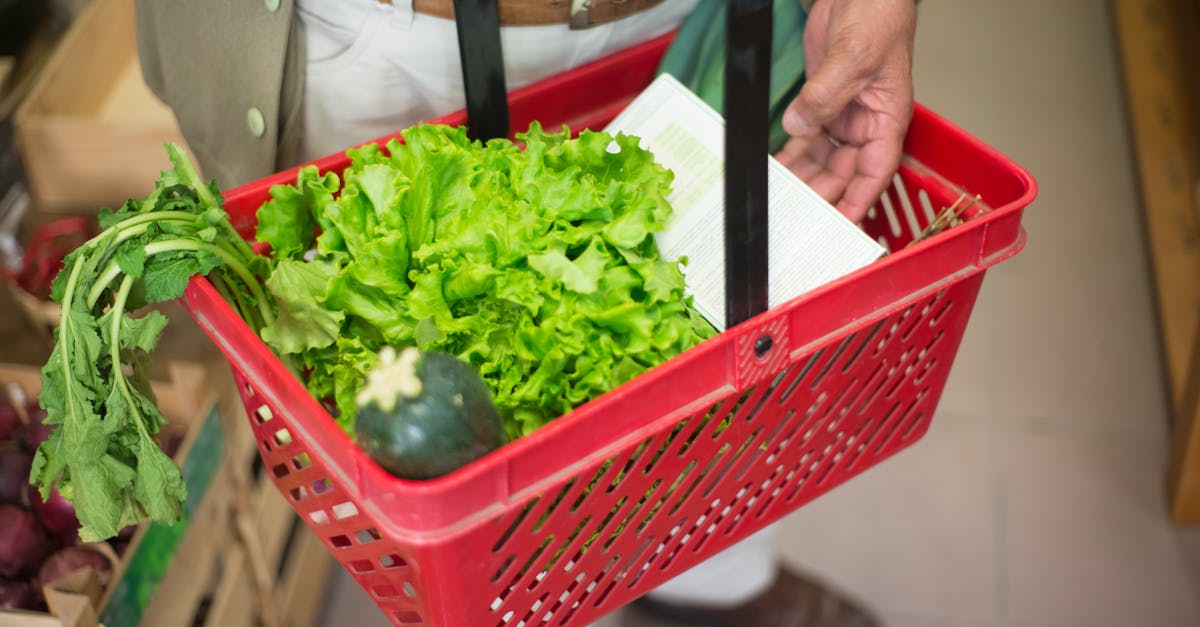
The Heart of Healthy Eating: Mindful Grocery Shopping for Intentional Nourishment
Have you ever walked into a grocery store with the best intentions, only to leave with a cart full of items that somehow missed the mark? You are not alone. Research from the Food Marketing Institute reveals that the average shopper makes over 200 decisions during a single grocery trip, and nearly 60% of those purchases are unplanned. This disconnect between intention and action sits at the heart of healthy eating challenges for millions of people.
The grocery store is where your nutrition journey truly begins. Long before you prepare a meal or sit down to eat, the choices you make while navigating those aisles determine what ends up on your plate. Yet most advice about healthy eating focuses on recipes, meal plans, or what to avoid. Few resources address the critical moment when you stand in front of shelves filled with thousands of options, trying to make decisions that align with your wellness goals.
This article explores a different approach to the heart of healthy eating: transforming your grocery shopping experience from a stressful chore into an intentional practice that supports lasting nourishment. You will discover a framework for mindful shopping that reduces decision fatigue, a method for reading beyond nutrition labels, and practical strategies for building a kitchen environment that makes healthy choices effortless. By the end, you will have actionable tools to implement within your next shopping trip.
This content is for informational purposes only and does not constitute medical advice. Always consult qualified professionals for personalized guidance.
The Hidden Cost of Autopilot Shopping
Most people approach grocery shopping on autopilot. They follow familiar routes through the store, reach for the same products week after week, and make split-second decisions based on packaging, placement, or price. This unconscious approach creates a significant gap between what people want to eat and what they actually bring home.
Consider the cognitive load of a typical shopping trip. You enter a space specifically designed to influence your behavior. Product placement, lighting, music tempo, and even floor patterns are engineered to extend your time in the store and encourage impulse purchases. End caps feature high-margin items. Eye-level shelves hold products with the largest marketing budgets. The produce section greets you first because colorful fruits and vegetables create a positive first impression that makes you feel virtuous, potentially leading to less mindful choices later.
The consequences extend beyond your wallet. When your pantry and refrigerator fill with items chosen through autopilot shopping, your daily eating decisions become constrained by those earlier unconscious choices. You cannot prepare a nourishing meal with ingredients you never purchased. You cannot avoid processed snacks if they occupy prime real estate in your kitchen. The heart of healthy eating beats strongest when you recognize that the grocery store is not merely a supply depot but a decision-making environment that shapes your entire relationship with food.
The Decision Fatigue Trap
Psychologists have documented a phenomenon called decision fatigue: the deteriorating quality of decisions made after a long session of decision-making. By the time you reach the checkout line, your willpower reserves are depleted. This explains why candy bars and magazines cluster near registers. It also explains why your best intentions often crumble during the final minutes of a shopping trip.
The solution is not simply more willpower. Instead, the heart of healthy eating requires systems that reduce the number of decisions you need to make while increasing the quality of those decisions. This shift from willpower to systems thinking transforms grocery shopping from a test of discipline into a practice of intentionality.
The Intentional Nourishment Framework for Grocery Shopping
This framework consists of four interconnected practices that work together to align your shopping behavior with your wellness intentions. Unlike rigid rules or restrictive lists, this approach builds flexibility and self-awareness into your grocery routine.
Practice One: The Pre-Shop Pause
Before you enter the store, take sixty seconds to pause and set an intention. This is not about creating a detailed list, though lists certainly help. The Pre-Shop Pause is about shifting your mental state from reactive to intentional.
Ask yourself three questions:
- What does my body need this week? Consider your energy levels, sleep quality, and physical activity. Are you recovering from illness? Training for an event? Managing stress? Your answers inform your shopping priorities.
- What meals will anchor my week? Identify two or three meals you want to prepare. These anchor meals provide structure without requiring you to plan every bite.
- What is one new food I want to explore? This question introduces novelty and prevents your diet from becoming monotonous. It might be a vegetable you have never tried, a different grain, or a new preparation method for a familiar ingredient.
The Pre-Shop Pause takes less than a minute but fundamentally changes your shopping experience. You enter the store with clarity rather than confusion, purpose rather than passivity.
Practice Two: Perimeter Priority Navigation
Most grocery stores follow a similar layout: fresh foods around the perimeter, packaged goods in the center aisles. While this is not a universal rule, it provides a useful navigation principle. Perimeter Priority Navigation means spending the majority of your time and attention on the outer edges of the store before venturing into the center.
Start with produce. Spend time here. Touch the fruits and vegetables. Notice what looks fresh and vibrant. Let seasonal availability guide some of your choices. When you fill your cart with produce first, you create both physical and psychological momentum toward nourishing choices.
Move to proteins, whether that means the meat counter, seafood section, dairy case, or plant-based alternatives. Then visit the bakery for whole grain breads if that aligns with your eating approach. Only after completing the perimeter do you enter the center aisles, and then only for specific items on your list.
This navigation pattern is not about demonizing packaged foods. Many pantry staples, from olive oil to canned beans to dried herbs, live in center aisles and support healthy eating. The principle is about sequence and attention. By prioritizing the perimeter, you ensure that whole foods form the foundation of your cart before packaged items fill the remaining space.
Practice Three: The Three-Question Label Test
Nutrition labels contain valuable information, but they can also overwhelm and confuse. The Three-Question Label Test simplifies your evaluation process without requiring you to become a nutrition scientist.
When you pick up a packaged product, ask:
- Can I recognize the first three ingredients? Ingredients are listed by weight, so the first three ingredients comprise the majority of the product. If those ingredients are whole foods you could find in a kitchen, the product likely supports your goals. If they are industrial compounds or refined substances, consider alternatives.
- How many ingredients total? This is not about a magic number but about complexity. A jar of peanut butter might contain one ingredient: peanuts. Another brand might list fifteen. Neither is inherently wrong, but the comparison reveals something about processing level and added components.
- Does this product replace something I could make simply at home? This question builds awareness about convenience tradeoffs. Sometimes the convenience is worth it. Sometimes you realize that making your own version takes five minutes and gives you control over ingredients.
The Three-Question Label Test becomes faster with practice. Eventually, you develop intuition about which products align with your intentions and which do not, reducing the cognitive load of every decision.
Practice Four: The Kitchen Ecosystem Audit
Your shopping choices do not exist in isolation. They interact with what already occupies your kitchen. The Kitchen Ecosystem Audit connects your shopping behavior to your home food environment.
Before each shopping trip, spend five minutes surveying your kitchen. Open the refrigerator, freezer, and pantry. Notice what needs to be used before it spoils. Identify gaps in your staple inventory. Observe which items have sat untouched for weeks, suggesting they do not actually fit your eating patterns.
This audit prevents two common problems: buying duplicates of items you already have and purchasing aspirational foods that never get eaten. Both problems waste money and create clutter that makes healthy eating harder. The heart of healthy eating thrives in a kitchen environment that is organized, intentional, and aligned with how you actually cook and eat.
Want a complete system for transforming your relationship with food? The Heart of Healthy Eating provides comprehensive guidance for building sustainable nourishment practices that last. Get your copy on Amazon and discover the full framework for intentional eating: The Heart of Healthy Eating on Amazon
Beyond the Label: Reading the Story Behind Your Food
Nutrition labels tell you what is in a product. They do not tell you where ingredients came from, how they were produced, or what journey they took to reach the shelf. Developing literacy beyond the label adds depth to your shopping practice and connects you more meaningfully to your food.
Understanding Seasonality
Seasonal eating is not merely a trend. It reflects biological and ecological realities that affect food quality, flavor, and environmental impact. Tomatoes in January, shipped thousands of miles from greenhouses, differ fundamentally from tomatoes in August, grown locally and picked at peak ripeness.
You do not need to memorize seasonal charts. Simply notice what is abundant and affordable in the produce section. When a particular fruit or vegetable appears in large quantities at lower prices, it is likely in season. When it appears in small quantities at premium prices, it is probably traveling from far away or growing in artificial conditions.
Seasonal awareness also introduces natural variety into your diet. Instead of eating the same vegetables year-round, you rotate through what each season offers. This rotation provides diverse nutrients and prevents the boredom that often derails healthy eating intentions.
Decoding Marketing Language
Food packaging is designed to sell. Terms like “natural,” “wholesome,” “farm-fresh,” and “artisan” carry emotional weight but often lack regulatory definition. Learning to distinguish meaningful claims from marketing language protects you from manipulation.
Some terms have specific legal definitions. “Organic” in the United States means the product meets USDA organic standards. “Certified Humane” indicates third-party verification of animal welfare practices. “Non-GMO Project Verified” confirms testing for genetically modified organisms.
Other terms mean very little. “Natural” has no standard definition for most products. “Made with real fruit” might mean a product contains a tiny percentage of fruit concentrate. “Lightly sweetened” is subjective and unregulated.
The solution is not cynicism but discernment. When a claim matters to you, look for third-party certification logos rather than manufacturer assertions. When in doubt, return to the ingredient list, which provides more reliable information than front-of-package marketing.
The Geography of Your Grocery Cart
Consider where your food originates. This is not about rigid locavorism but about awareness. When you pick up a package of berries, notice the country of origin. When you select olive oil, observe where the olives were grown and pressed.
This awareness serves multiple purposes. It connects you to the global food system and the labor that brings food to your table. It helps you understand why certain foods cost what they do. It may influence choices when you prefer to support local agriculture or reduce transportation-related environmental impact.
Geography also affects freshness. Produce that travels shorter distances often arrives in better condition. Seafood from nearby waters may be fresher than fish flown across oceans. These factors influence both quality and the heart of healthy eating.
Common Mistakes That Sabotage Mindful Shopping
Even with good intentions and solid frameworks, certain patterns consistently undermine mindful grocery shopping. Recognizing these mistakes helps you avoid them.
Mistake One: Shopping While Hungry
This advice is so common it has become cliche, yet people continue to ignore it. Hunger activates reward-seeking behavior and impairs impulse control. Studies consistently show that hungry shoppers purchase more high-calorie foods and spend more money overall.
The solution is simple: eat something before you shop. It does not need to be a full meal. A small snack that includes protein and fiber can stabilize blood sugar and reduce the urgency that drives poor decisions.
Mistake Two: Overcommitting to Elaborate Meals
Ambitious meal planning often backfires. You purchase ingredients for complex recipes, then find yourself too tired or busy to execute them. The specialty ingredients spoil. You order takeout instead. Guilt accumulates.
A more sustainable approach balances ambition with realism. Plan one or two meals that require effort. Stock ingredients for several simple meals that come together quickly. Build in flexibility for nights when cooking feels impossible.
Mistake Three: Ignoring Your Actual Eating Patterns
Many people shop for an idealized version of themselves rather than their actual habits. They buy kale because they think they should eat more greens, even though they have never enjoyed kale and it consistently rots in their refrigerator.
Honest self-assessment improves shopping outcomes. If you do not eat breakfast, stop buying breakfast foods that go to waste. If you snack in the afternoon, stock snacks that align with your goals rather than pretending you will stop snacking. Work with your patterns rather than against them.
Mistake Four: All-or-Nothing Thinking
Perfectionism is the enemy of sustainable change. When people adopt rigid rules about shopping, a single deviation can trigger abandonment of the entire effort. One “forbidden” item in the cart becomes permission to fill the cart with similar items.
The heart of healthy eating embraces flexibility. Some weeks you will shop with perfect intentionality. Other weeks, life intervenes. Progress matters more than perfection. A cart that is 80% aligned with your goals is far better than giving up because you cannot achieve 100%.
Building Your Personalized Shopping Rhythm
Generic advice only takes you so far. Ultimately, you need a shopping rhythm that fits your life, preferences, and constraints. This section helps you design that personalized approach.
Frequency and Timing
How often should you shop? There is no universal answer. Some people thrive with one large weekly trip. Others prefer multiple smaller trips. Consider your storage capacity, proximity to stores, schedule flexibility, and how quickly fresh foods spoil in your household.
Timing also matters. Shopping on weekday mornings typically means smaller crowds and fresher restocked shelves. Weekend afternoons often bring chaos and depleted inventory. Experiment to find windows that support calm, intentional shopping.
Store Selection Strategy
Different stores serve different purposes. A large supermarket offers variety and competitive prices. A specialty grocer provides unique products and knowledgeable staff. A farmers market connects you directly with producers. A warehouse club enables bulk purchasing of staples.
Rather than defaulting to one store for everything, consider a multi-store strategy. Perhaps you visit the farmers market for produce, a regular grocery for staples, and a specialty store occasionally for specific items. This approach requires more time but often yields better quality and value.
Technology as a Tool
Digital tools can support mindful shopping when used intentionally. List apps help you remember what you need and resist impulse purchases. Grocery delivery services eliminate the store environment entirely, removing many triggers for unplanned buying. Meal planning apps connect recipes to shopping lists automatically.
However, technology can also undermine mindfulness. Scrolling through a delivery app while distracted leads to the same autopilot purchasing as wandering store aisles. The tool matters less than how you use it. Apply the same intentionality principles regardless of whether you shop in person or online.
Frequently Asked Questions About Mindful Grocery Shopping
How do I stick to my shopping list when stores are designed to encourage impulse buying?
Stores are indeed designed to influence behavior, but awareness is your first defense. Use the Pre-Shop Pause to enter with clear intentions. Follow Perimeter Priority Navigation to control your route rather than letting store layout control you. When you notice an impulse to grab something unplanned, pause and ask whether it aligns with your weekly intentions. If it does, add it. If not, acknowledge the impulse without acting on it. Over time, this practice builds resistance to manipulation while maintaining flexibility for genuine discoveries.
Is it really worth spending more time on grocery shopping when I am already so busy?
The time investment in mindful shopping pays dividends throughout the week. When your kitchen contains intentionally chosen ingredients, meal preparation becomes faster and less stressful. You waste less food, saving money and reducing guilt. You make fewer emergency trips for forgotten items. You spend less mental energy deciding what to eat because your options already align with your goals. The initial time investment creates efficiency downstream. Most people find that mindful shopping actually saves time overall while dramatically improving outcomes.
How do I balance healthy eating goals with a limited grocery budget?
Budget constraints and healthy eating are not mutually exclusive, though they require strategic thinking. Focus on whole foods that provide high nutrition per dollar: beans, lentils, eggs, seasonal produce, frozen vegetables, whole grains like oats and rice. Buy store brands of staple items, which often match name-brand quality at lower prices. Reduce spending on beverages, which typically offer poor nutritional value relative to cost. Plan meals around sale items rather than buying ingredients for predetermined recipes regardless of price. The heart of healthy eating adapts to financial realities without abandoning core principles.
What should I do when family members want different foods than what I am trying to buy?
Household food decisions involve negotiation and compromise. Start by finding common ground: foods that everyone enjoys and that align with your goals. Introduce new items gradually rather than overhauling the entire kitchen at once. Involve family members in the shopping process so they feel ownership rather than imposition. For items where preferences diverge significantly, consider whether accommodation is possible without undermining your own intentions. Sometimes separate purchases for different household members make sense. The goal is sustainable harmony, not dietary dictatorship.
Conclusion: Transforming Your Relationship with Food at the Source
The grocery store is where your eating journey begins. Every item you place in your cart shapes the meals you will prepare, the snacks you will reach for, and the nourishment your body will receive. By approaching shopping with intentionality rather than autopilot, you transform this routine errand into a powerful practice that supports your wellness goals.
The frameworks and strategies in this article provide a starting point, but lasting change requires consistent application. Each shopping trip is an opportunity to practice the Pre-Shop Pause, navigate with Perimeter Priority, apply the Three-Question Label Test, and connect your purchases to your Kitchen Ecosystem. Over time, these practices become second nature, and mindful shopping becomes simply how you shop.
Three actionable takeaways to implement immediately:
- Start your next shopping trip with a sixty-second Pre-Shop Pause. Before entering the store, ask yourself what your body needs, what meals will anchor your week, and what new food you want to explore. This simple practice shifts your mental state from reactive to intentional.
- Audit your kitchen before you shop. Spend five minutes surveying your refrigerator, freezer, and pantry. Notice what needs to be used, what gaps exist in your staples, and what items have sat untouched. Let this audit inform your shopping list.
- Apply the Three-Question Label Test to one new product category. Choose a type of packaged food you buy regularly and evaluate options using the three questions. Can you recognize the first three ingredients? How many ingredients total? Could you make this simply at home? Let your answers guide a more intentional choice.
The heart of healthy eating beats strongest when you take control of the decisions that shape your food environment. For a comprehensive guide to building sustainable nourishment practices that extend far beyond the grocery store, explore The Heart of Healthy Eating on Amazon. This resource provides the complete framework for transforming your relationship with food, from shopping to preparation to the table and beyond.
