
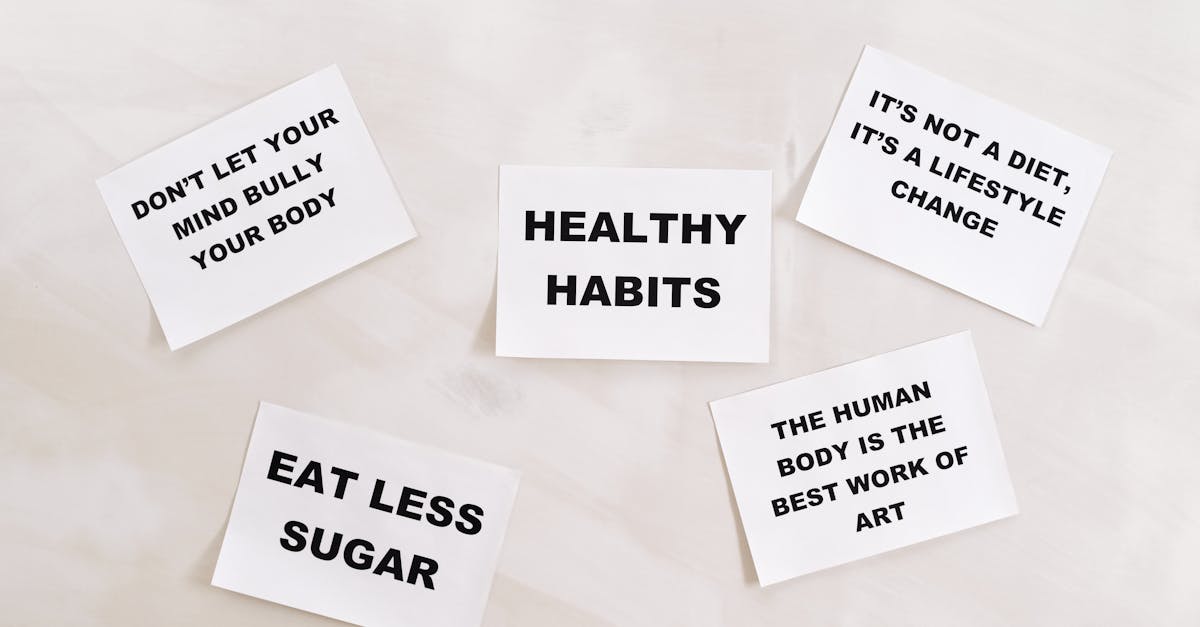
Transform Your Health: The Complete Guide to Eating Clean
Have you ever wondered why, despite decades of nutritional advice and countless diet trends, chronic disease rates continue to climb? According to the World Health Organization, diet-related diseases now account for more deaths globally than any other risk factor. The food on our plates has become one of the most powerful determinants of our health, longevity, and quality of life.
The truth is that most people are confused about what to eat. Conflicting headlines, industry-funded studies, and marketing campaigns have created a landscape where making healthy food choices feels nearly impossible. Yet the science is clearer than ever: the way we eat can either fuel disease or fight it. A food revolution is not just desirable; it is essential for anyone who wants to take control of their wellbeing.
In this comprehensive guide, you will discover why traditional dietary approaches have failed so many people, learn a practical framework for transforming your eating habits, and understand exactly how to implement changes starting this week. By the end, you will have a clear roadmap for joining the food revolution and reclaiming your health through the power of whole, plant-based nutrition.
Whether you are dealing with chronic health issues, looking to prevent disease, or simply want more energy and vitality, the principles outlined here will give you the tools to make lasting change. This is not about deprivation or following another restrictive diet. It is about understanding how food works in your body and making choices that support your best life.
Why Traditional Dietary Approaches Fail Most People
For decades, mainstream nutrition advice has focused on calorie counting, portion control, and moderation. While these concepts are not entirely wrong, they miss the bigger picture of how food affects our bodies at a cellular level. The standard Western diet, built around processed foods, refined sugars, and animal products, has created an epidemic of obesity, heart disease, diabetes, and cancer.
The Problem with Processed Foods
Modern food manufacturing has stripped nutrients from whole foods while adding chemicals, preservatives, and artificial ingredients that our bodies were never designed to process. Consider these alarming facts:
- Ultra-processed foods now make up nearly 60% of calories consumed in the average American diet
- These foods are engineered to be hyper-palatable, triggering overconsumption
- Processing removes fiber, vitamins, and minerals while concentrating calories
- Additives and preservatives have been linked to inflammation, gut dysfunction, and metabolic disorders
The food industry spends billions on marketing these products while lobbying against regulations that would protect public health. This creates an environment where making healthy choices requires swimming against a powerful current of misinformation and temptation.
The Myth of Moderation
One of the most damaging pieces of conventional wisdom is that all foods can fit into a healthy diet in moderation. While this sounds reasonable, it ignores the addictive nature of certain foods and the cumulative damage caused by regular consumption of harmful substances.
Research shows that sugar activates the same reward pathways in the brain as addictive drugs. Telling someone to eat sugar in moderation is like telling a smoker to smoke in moderation. For many people, certain foods trigger cravings and overconsumption that make moderation practically impossible.
Furthermore, the moderation message has been heavily promoted by food industry groups seeking to deflect blame from their products. When every food is acceptable in moderation, no food can be criticized, and the status quo remains unchallenged.
Calorie Counting Misses the Point
The calorie-centric view of nutrition treats all calories as equal, ignoring the vastly different effects that different foods have on our hormones, metabolism, and satiety. A hundred calories from broccoli affects your body completely differently than a hundred calories from soda.
Whole plant foods come packaged with fiber, water, and nutrients that promote fullness and stable blood sugar. Processed foods deliver concentrated calories without these protective elements, leading to blood sugar spikes, insulin resistance, and persistent hunger.
People who focus solely on calories often find themselves hungry, tired, and frustrated. They may lose weight temporarily but almost always regain it because they have not addressed the underlying quality of their diet.
The Food Revolution Framework: A Step by Step System
Transforming your diet does not require perfection or overnight change. The most successful approach involves understanding core principles and gradually shifting your eating patterns toward whole, plant-based foods. This framework provides a systematic way to revolutionize your relationship with food.
Step 1: Understand the Power of Whole Plant Foods
The foundation of the food revolution is simple: eat more whole plant foods. Fruits, vegetables, whole grains, legumes, nuts, and seeds provide the nutrients your body needs while protecting against chronic disease. The evidence supporting plant-based eating is overwhelming:
- Plant-based diets are associated with lower rates of heart disease, the leading cause of death worldwide
- Studies show significant reductions in type 2 diabetes risk among those eating predominantly plants
- Cancer rates are lower in populations consuming more fruits and vegetables
- Plant foods provide fiber, which supports gut health and immune function
- Antioxidants and phytochemicals in plants fight inflammation and oxidative stress
This does not mean you must become a strict vegan overnight. The goal is to make plants the center of your plate rather than a side dish. Every meal that features whole plant foods is a step in the right direction.
Step 2: Identify and Eliminate Harmful Foods
While adding beneficial foods is important, removing harmful ones is equally critical. The food revolution requires honest assessment of what you are currently eating and willingness to let go of foods that are damaging your health.
Foods to minimize or eliminate include:
- Processed meats: Bacon, sausage, hot dogs, and deli meats are classified as Group 1 carcinogens by the World Health Organization
- Refined sugars: Sodas, candy, pastries, and sweetened beverages drive obesity and metabolic dysfunction
- Refined grains: White bread, white rice, and most pasta have been stripped of fiber and nutrients
- Trans fats: Found in many fried and packaged foods, these fats increase heart disease risk
- Highly processed snacks: Chips, crackers, and similar products offer empty calories and harmful additives
Eliminating these foods may feel challenging at first, but most people find that their cravings diminish significantly within a few weeks. As your taste buds adjust, whole foods begin to taste better and more satisfying.
Step 3: Build Balanced Meals
Creating satisfying meals from whole plant foods requires some planning and knowledge. Each meal should include a balance of macronutrients and a variety of colors and textures to ensure you are getting comprehensive nutrition.
A well-constructed plant-based meal includes:
- Protein source: Beans, lentils, tofu, tempeh, or edamame
- Whole grains: Brown rice, quinoa, oats, or whole wheat
- Vegetables: Aim for at least half your plate to be vegetables
- Healthy fats: Avocado, nuts, seeds, or olive oil in moderation
- Flavor elements: Herbs, spices, citrus, and vinegars add interest without harmful additives
Batch cooking on weekends can make weekday meals much easier. Prepare large quantities of grains and beans that can be used throughout the week in different combinations.
Step 4: Address Nutritional Considerations
While plant-based diets are nutritionally complete for most people, there are a few nutrients that require attention. Understanding these considerations ensures you thrive on your new way of eating.
Vitamin B12: This essential nutrient is not reliably found in plant foods. Anyone eating a predominantly plant-based diet should take a B12 supplement or consume B12-fortified foods regularly.
Vitamin D: Many people, regardless of diet, are deficient in vitamin D. Sun exposure and supplementation are the most reliable sources.
Omega-3 fatty acids: While plant foods contain ALA omega-3s, conversion to EPA and DHA is limited. Consider an algae-based omega-3 supplement for optimal brain and heart health.
Iron: Plant foods contain non-heme iron, which is absorbed less efficiently than heme iron from animal products. Eating vitamin C-rich foods with iron-rich plants enhances absorption significantly.
Implementation: How to Start Your Food Revolution This Week
Knowledge without action produces no results. This section provides a practical roadmap for implementing the food revolution framework starting immediately. Small, consistent changes compound over time into dramatic transformation.
Day 1 to 3: Assessment and Preparation
Begin by taking stock of your current eating habits. Keep a food journal for three days, writing down everything you eat and drink. This awareness exercise often reveals patterns and problem areas you may not have recognized.
During this phase:
- Clean out your pantry and refrigerator, removing the most harmful processed foods
- Make a shopping list focused on whole plant foods
- Stock up on staples like beans, whole grains, frozen vegetables, and fresh produce
- Identify three to five simple plant-based recipes you want to try
- Set up a meal planning system, even if it is just a simple notebook
Do not try to change everything at once. The goal is to create an environment that supports your new eating habits while building knowledge and skills.
Day 4 to 7: First Week of Change
Start making concrete changes to your daily eating. Focus on one meal at a time rather than overhauling everything simultaneously. Breakfast is often the easiest place to start.
Simple breakfast swaps:
- Replace sugary cereal with oatmeal topped with fruit and nuts
- Swap bacon and eggs for a smoothie with greens, berries, and plant milk
- Try avocado toast on whole grain bread instead of a pastry
- Make overnight oats for a grab-and-go option
During this first week, aim to eat at least one fully plant-based meal each day. Notice how you feel after eating whole foods compared to processed alternatives. Many people report increased energy and better digestion within days.
Week 2 to 4: Building Momentum
As you become more comfortable with plant-based eating, expand your repertoire and increase the proportion of whole foods in your diet. This is the time to experiment with new recipes and ingredients.
Strategies for building momentum:
- Try one new vegetable or grain each week
- Learn to cook beans from scratch for better flavor and texture
- Explore cuisines that are naturally plant-forward, such as Mediterranean, Indian, or Ethiopian
- Find plant-based versions of your favorite comfort foods
- Connect with others who are on a similar journey for support and recipe ideas
Expect some challenges during this phase. You may experience cravings for old foods, social pressure from friends and family, or difficulty finding options when eating out. These obstacles are normal and temporary.
Month 2 and Beyond: Making It Sustainable
Long-term success requires making your new eating habits sustainable and enjoyable. This means finding balance, allowing flexibility, and continuing to learn and grow.
Keys to sustainability:
- Do not aim for perfection; aim for consistency
- Develop a rotation of 10 to 15 go-to meals you can prepare easily
- Plan for social situations and travel in advance
- Continue educating yourself about nutrition and food systems
- Celebrate your progress and the improvements in how you feel
Remember that the food revolution is not a diet with an end date. It is a fundamental shift in how you relate to food and nourish your body. The longer you eat this way, the more natural it becomes.
Expected Results and Realistic Timelines
Understanding what to expect helps maintain motivation and set appropriate goals. While individual results vary based on starting point and consistency, most people experience significant benefits from adopting a whole food, plant-based approach.
Short Term Results: First 30 Days
Within the first month, many people notice:
- Increased energy and reduced afternoon fatigue
- Improved digestion and more regular bowel movements
- Clearer skin and improved complexion
- Better sleep quality
- Initial weight loss, particularly if coming from a highly processed diet
- Reduced bloating and inflammation
Some people experience a brief adjustment period during the first week or two as their bodies adapt to increased fiber intake. Drinking plenty of water and increasing fiber gradually can minimize discomfort.
Medium Term Results: 3 to 6 Months
With continued commitment, more substantial changes become apparent:
- Significant weight loss for those who need it, typically 10 to 30 pounds
- Improved cholesterol levels, often dramatic reductions in LDL
- Lower blood pressure, sometimes enough to reduce or eliminate medication
- Better blood sugar control for those with prediabetes or type 2 diabetes
- Reduced joint pain and inflammation
- Improved mental clarity and mood stability
Many people find that health markers their doctors had been concerned about begin normalizing during this period. It is important to work with healthcare providers and monitor progress through regular checkups.
Long Term Results: 1 Year and Beyond
The most profound benefits of the food revolution emerge over time:
- Sustained healthy weight without constant dieting
- Dramatically reduced risk of heart disease, stroke, and heart attack
- Lower cancer risk, particularly for colorectal, breast, and prostate cancers
- Potential reversal of type 2 diabetes in many cases
- Improved longevity and healthspan
- Greater resilience against infectious diseases
Research on populations eating traditional plant-based diets shows remarkable health outcomes. The Blue Zones, regions where people live the longest, all feature diets centered on whole plant foods.
Frequently Asked Questions About the Food Revolution
Can I get enough protein on a plant-based diet?
Yes, you can absolutely get enough protein from plant foods. Legumes, tofu, tempeh, seitan, nuts, seeds, and whole grains all provide protein. The average person needs about 0.8 grams of protein per kilogram of body weight daily, and this is easily achievable on a varied plant-based diet. Athletes and those with higher protein needs can meet their requirements by emphasizing protein-rich plant foods and eating adequate calories. The myth that plant proteins are incomplete has been debunked; as long as you eat a variety of plant foods throughout the day, you will get all essential amino acids.
Is organic food necessary for the food revolution?
While organic food can reduce pesticide exposure, it is not essential for reaping the benefits of plant-based eating. The health benefits of eating more fruits and vegetables far outweigh any risks from pesticide residues on conventionally grown produce. If budget is a concern, prioritize organic for the “Dirty Dozen” produce items with highest pesticide loads and buy conventional for the “Clean Fifteen” with lowest residues. The most important change is eating more whole plant foods, regardless of whether they are organic.
How do I handle social situations and family meals?
Social eating can be challenging when changing your diet, but it is manageable with planning. Communicate your dietary choices to friends and family without being preachy or judgmental. Offer to bring a plant-based dish to gatherings so you know there will be something you can eat. When dining out, research menus in advance and do not hesitate to ask for modifications. Most restaurants can accommodate plant-based requests. Focus on the social connection rather than the food, and remember that your choices may inspire others over time.
What if I slip up and eat unhealthy foods?
Occasional slip-ups are normal and should not derail your progress. The food revolution is about overall patterns, not perfection. If you eat something outside your plan, simply return to healthy eating at your next meal without guilt or self-criticism. Avoid the “all or nothing” mentality that leads many people to abandon healthy habits after a single indulgence. Each meal is a new opportunity to nourish your body well. Over time, as your tastes change and habits solidify, slip-ups will become less frequent and less appealing.
Conclusion: Your Path to Lasting Health Transformation
The food revolution is not a trend or a fad diet. It is a fundamental shift in how we understand the relationship between what we eat and how we feel, function, and thrive. The evidence is clear: whole, plant-based foods provide the foundation for optimal health, disease prevention, and longevity.
You now have the knowledge and framework to transform your eating habits. The question is whether you will take action. Every journey begins with a single step, and your first step can be as simple as adding an extra serving of vegetables to your next meal.
Here are your three actionable takeaways:
- Start where you are: You do not need to be perfect. Begin by adding more whole plant foods to your current diet and gradually reducing processed foods and animal products.
- Focus on addition, not restriction: Rather than thinking about what you cannot eat, concentrate on all the delicious, health-promoting foods you can enjoy. Abundance, not deprivation, is the key to sustainable change.
- Educate yourself continuously: The more you understand about how food affects your body, the more motivated you will be to make healthy choices. Knowledge is power in the food revolution.
For a comprehensive guide to transforming your health through food, I highly recommend exploring the complete system outlined in this essential resource. Get Food Revolution on Amazon and discover the full framework for revolutionizing your diet and reclaiming your health.
The food revolution is happening whether we participate or not. Millions of people around the world are waking up to the power of plant-based eating and experiencing remarkable health transformations. The only question is whether you will join them. Your body, your health, and your future are waiting for you to make the choice. Start today, and discover what is possible when you align your eating with what your body truly needs.
