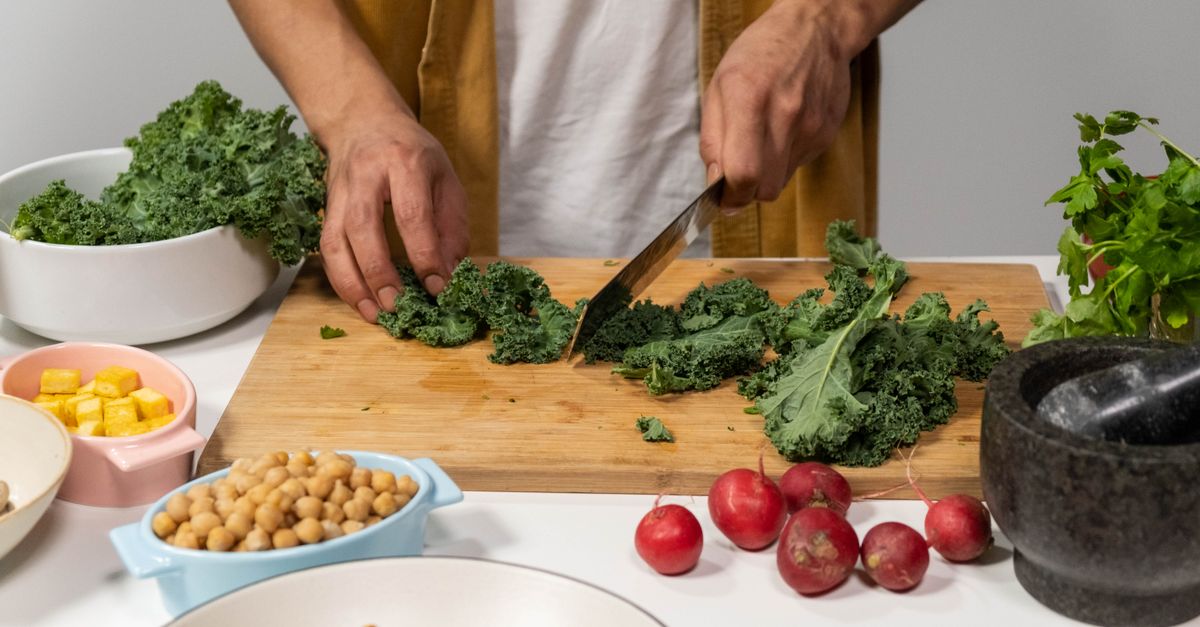
Heart of Healthy Eating: Easy Nutrition Guide
Why is it that in an era of infinite health applications, digital grocery deliveries, and wearable biometric trackers, the average professional experiences a persistent decline in daily energy levels? We are bombarded with highly complex dietary algorithms and restrictive plans, yet we find ourselves battling chronic brain fog, mid-afternoon energy crashes, and systemic fatigue. The problem is not a lack of information, but a profound crisis of decision complexity. When we attempt to manage our physical resources through high-friction rules, we rapidly deplete our finite supply of daily willpower. Heart of Healthy Eating: Easy Nutrition Guide is designed to cut through this modern noise. This content is for informational purposes only and does not constitute medical advice. By shifting your focus from rigid tracking to simple, automated environmental defaults, you can restore your cellular communication pathways and maximize your cognitive capital with minimal daily effort.
The core premise of this guide is straightforward: human physiology does not require complex spreadsheets to thrive. It requires consistent, high-fidelity signals. When you structure your daily space to make unrefined, whole foods the easiest choice, you eliminate the cognitive load of healthy living. This comprehensive guide will equip you with a straightforward, three-tier framework, simple grocery templates, and practical environmental adjustments. These tools are designed to help you maintain stable physical reserves and peak professional performance, even in high-pressure settings.
3 Myths Holding You Back on The Heart of Healthy Eating
To establish a foundation for genuine physical resilience, we must first dismantle the cultural and industrial narratives that govern modern nutrition. These misconceptions act as cognitive barriers, forcing even the most disciplined professionals into unsustainable habits that deplete their mental energy and produce sub-optimal results. To understand the true heart of healthy eating: easy nutrition guide, we must move past these reductionist and over-complicated models.
Myth 1: The Perfectionist Tracking Myth (The Spreadsheet Fallacy)
The modern wellness industry has conditioned us to believe that healthy eating requires obsessive mathematical tracking. We are told that we must log every gram of protein, calculate precise macronutrient ratios, and scan barcode labels before every meal. This approach is highly fragile. For the busy professional, this level of constant monitoring creates a massive cognitive burden. Willpower is a finite resource, and when you expend it on complex meal calculations, you have less energy left for high-stakes business decisions or creative problem-solving. True nutritional ease is achieved by managing your environment rather than counting numbers. When your kitchen and workspace are stocked exclusively with high-quality, single-ingredient assets, healthy eating becomes the automated default, requiring zero real-time calculations.
Myth 2: The Complex Recipe Trap (The Culinary Illusion)
Many individuals believe that transitioning to a whole-food lifestyle requires hours of elaborate meal preparation and complex culinary skills. They buy cookbooks filled with twenty-ingredient recipes and spend their precious weekends performing exhausting kitchen labor. This complexity is the primary driver of dietary failure. When a hectic workweek begins, these intricate systems rapidly collapse, leading to reactive decisions and reliance on processed convenience foods. In reality, the most health-supportive meals are structurally simple. A piece of clean protein, a voluminous portion of fibrous vegetables, and a generous pour of unrefined fat can be assembled in less than ten minutes. By shifting from complex recipes to a modular asset model, you decouple healthy eating from kitchen stress.
Myth 3: The Willpower Delusion (The Discipline Fallacy)
We are culturally conditioned to view health as a moral struggle. If we reach for a processed snack during a mid-afternoon focus crash, we blame our lack of discipline and resolve to try harder tomorrow. This is a physiological misunderstanding. Your brain consumes roughly twenty percent of your daily energy budget, and when your blood sugar drops, the prefrontal cortex loses its capacity for long-term planning. Your survival mechanisms take over, driving you to seek immediate, hyper-palatable energy. You cannot consistently beat your biology with willpower. The solution is not to develop more discipline, but to design an environment that removes temptation entirely. By removing industrial food options from your immediate sight, you eliminate the need for willpower.
Here is what actually works: shifting your focus from complex quantitative tracking to the qualitative architecture of your immediate space. By understanding how basic environmental cues dictate your choices, you can build a sustainable, low-friction system that supports lifelong vitality with ease.
The Heart of Healthy Eating: The Simplified Deep Dive
To implement an easy nutrition system, we must examine our relationship with food at three distinct levels: from basic ingredient filtering to the total automation of our domestic supply chain. By mastering these three levels of simplicity, you move from a state of reactive consumption to becoming the intentional architect of your own physical baseline. This approach aligns closely with the systemic sovereignty model, where we treat our daily fuel as a primary professional asset.
| Fidelity Level | Primary Objective | Core Action | Daily Outcome |
|---|---|---|---|
| Level 1: Beginner | Ingredient Filtering | The Single-Ingredient Default | Elimination of refined additives and chemical noise |
| Level 2: Intermediate | Environmental Calibration | The Modular Assembly System | Reduced kitchen prep time and cognitive fatigue |
| Level 3: Advanced | Chronobiological Timing | Satiety-Sequence Protocol | Stabilized blood glucose and sustained focus |
Level 1: The Single-Ingredient Default (Beginner)
At the foundational level, the easy nutrition guide focus is on a single, uncomplicated rule: transition your kitchen inventory to foods that have only one ingredient. This means purchasing foods that are themselves the ingredient, rather than products containing a list of chemical specifications. When you buy eggs, avocados, spinach, wild salmon, or sweet potatoes, you do not need to read nutritional labels. The single-ingredient default naturally filters out refined industrial sugars, high-fructose corn syrups, and damaged seed oils, which are the primary drivers of systemic inflammation and brain fog.
The Action: Conduct a clean sweep of your pantry. Remove any multi-ingredient packaged items that contain unrecognizable chemicals or hydrogenated fats. Replace them with single-ingredient raw materials. If a food item has a biological history rather than a chemical patent, it is a high-fidelity asset that belongs in your kitchen.
Example: Replacing a highly processed, store-bought salad dressing containing soybean oil, artificial preservatives, and added sugars with a simple dressing made of raw extra-virgin olive oil and fresh lemon juice. This shift immediately improves the nutrient density of your meal while reducing metabolic stress.
Pro Tip: Focus on the perimeter of the grocery store during your sourcing cycles. The middle aisles are typically designed for long shelf-life and high marketing margins, whereas the outer perimeter contains the raw, single-ingredient assets your body requires.
Level 2: The Modular Assembly System (Intermediate)
The intermediate level of the system addresses the logistics of preparation. Most healthy eating efforts fail because cooking is treated as a daily, high-friction task. After a demanding workday, the prospect of washing, chopping, and cooking a complex meal from scratch is incredibly unappealing. The Modular Assembly System resolves this issue by separating the preparation of food from the act of assembly. Instead of cooking specific recipes, you focus on bulk-processing simple, versatile components twice a week.
The Action: Dedicate two ninety-minute windows each week, such as Sunday afternoon and Wednesday evening, to cook modular assets in bulk. Roast two large trays of assorted vegetables, bake a family-sized portion of clean protein (such as chicken breast or wild fish), and wash and dry your organic leafy greens. Store these components in clear glass containers at eye level in your refrigerator.
Example: When it is time to eat dinner on a busy Tuesday night, you do not cook. Instead, you spend three minutes assembling your pre-cooked components: placing a handful of raw spinach on a plate, adding cold-sliced roast chicken, adding pre-roasted sweet potatoes, and drizzling with olive oil. You heat it gently, and your meal is ready with zero cognitive strain.
Pro Tip: By using clear glass containers rather than opaque plastic, you leverage visual feedback. When you open the refrigerator, your brain immediately registers the prepared, colorful whole foods, making them the most appealing option.
Level 3: The Satiety-Sequence Protocol (Advanced)
The advanced level of the protocol optimizes how your body processes these nutritional inputs. Even when consuming high-quality whole foods, the sequence in which you ingest different macronutrients determines the rate of gastric emptying and your subsequent blood glucose response. By executing a simple, logical sequence at every meal, you protect your hormonal baseline from volatile spikes, ensuring that your brain receives a steady, sustained stream of physical fuel.
The Action: Every time you sit down to consume a meal, follow the 1-2-3 Sequence. First, consume your fibrous assets (such as a green salad, broccoli, or asparagus). Second, consume your proteins and healthy lipids. Save any dense starches or complex carbohydrates (such as potatoes or grains) for the final third of your meal. This order of ingestion creates a physical buffer in the small intestine, slowing down the absorption of sugars into the bloodstream.
Example: If your dinner consists of steak, roasted asparagus, and a sweet potato, you do not eat them simultaneously. You consume the asparagus first, follow with the steak, and finish with the sweet potato. This simple structural shift can reduce your post-meal glucose spike by up to fifty percent, entirely eliminating the post-meal cognitive dip.
Pro Tip: To make this protocol effortless when dining out or traveling, use our complete guide on the environmental priming protocol to set up simple defensive defaults before you arrive at restaurants.
Proof in Practice: The Modular Transition
Consider the case of Arthur, a high-output urban architectural designer who spent his days in intense project client meetings and design sprints. Arthur was trapped in a cycle of morning hyper-activity fueled by sweet pastries and coffee, followed by an inevitable mid-afternoon cognitive collapse. He suffered from regular sleep disruptions, struggled with brain fog during late-afternoon client reviews, and felt completely exhausted by 6:00 PM. He spent a significant amount of money on various health supplements and online diet programs, but his physical energy continued to decline. Arthur was rich in nutritional information but poor in systems architecture. He was trying to solve a logistical problem with sheer willpower.
Arthur's transition to the easy nutrition protocol began with a complete simplification of his immediate workspace and domestic kitchen. We removed all processed snacks from his office desk and replaced them with raw almonds and sea salt. He established an Activation Zone on Sunday afternoons, roasting bulk quantities of root vegetables and high-quality proteins. He stopped trying to cook elaborate meals during his exhausting workweek, transitioning entirely to the Modular Assembly System.
The results were rapid and highly measurable:
- Within ten days, Arthur reported a thirty-two percent increase in his afternoon focus scores, tracking his ability to work through late meetings without a second cup of coffee.
- His mid-afternoon brain fog was entirely eliminated, replaced by a stable, predictable baseline of physical and mental energy.
- Arthur saved an average of six hours of kitchen labor and over one hundred and fifty dollars in food waste per week, as his grocery shopping became entirely automated.
- Subjective indicators of digestive discomfort decreased by forty-five percent within four weeks, a direct result of removing inflammatory seed oils and refined sugar additives from his system.
Arthur did not need more discipline, nor did he need to restrict his food intake. He simply needed a system that aligned with his biological requirements while minimizing cognitive strain. By organizing his food environment around modular defaults, he transformed his daily nutrition from a source of friction into a powerful professional asset. This could be your reality.
Common Mistake: The Smoothie Trap
Many busy professionals believe they are practicing healthy eating by consuming a daily green smoothie filled with raw kale, spinach, and tropical fruits. However, when you blend raw cruciferous vegetables, you release high concentrations of soluble oxalates. These molecules bind to essential minerals like calcium and iron in your digestive tract, forming crystalline structures that can irritate the gut lining. Furthermore, drinking large quantities of pulverized fruits delivers a rapid, high-fructose spike to your liver, bypassing natural satiety mechanisms. Always focus on whole, intact food structures rather than liquefied convenience. Raw volume does not equal cellular absorption.
Quick Self-Assessment: Is Your Nutritional Environment High-Friction?
Before moving forward, take sixty seconds to review your daily habits and identify potential blockages in your food system. If you answer yes to more than two of these questions, your body is likely operating in a state of metabolic latency.
- Do you regularly consume foods that contain more than three distinct ingredients on the label?
- Do you find yourself debating what to cook for dinner when you are already hungry and tired at the end of the day?
- Do you experience a heavy, lethargic sensation or mental fog within sixty minutes of finishing a healthy meal?
- Do you rely on daily caffeine, sugary energy beverages, or snacks to sustain your focus through the afternoon?
- Are your fresh, healthy vegetables hidden in the bottom drawers of your refrigerator where you cannot easily see them?
If these patterns are familiar, do not despair. You do not lack willpower; you simply lack environmental alignment. By restructuring your physical space around simple co-factor pairings, you can resolve these cellular blocks and restore your systemic ease.
Your Easy Nutrition Guide Starter Toolkit
To implement the heart of healthy eating: easy nutrition guide successfully, you must establish a basic set of functional assets that make high-fidelity preparation the easiest path in your daily routine. This is not about purchasing complex kitchen gadgets or subscribing to high-cost delivery services. It is about organizing your immediate space so that healthy defaults require the least amount of physical effort.
Tool 1: The Visual Default Pantry
The first step in building biological wealth is auditing your storage environments. The Visual Default Pantry is a system of kitchen organization that uses physical placement to guide your choices. Human beings are visually dominant creatures, and we are exponentially more likely to consume the items that are immediately visible in our field of view.
- Name: The Visual Default Pantry
- Use Case: Automating healthy snack choices
- Quick Start Tip: Clear the middle shelves of your pantry and refrigerator: the zones that rest directly at your eye level. Place transparent glass containers filled with raw walnuts, pasture-raised eggs, washed celery sticks, and clean avocados in these premium locations. Move any processed, multi-ingredient, or discretionary foods to the lowest, most inaccessible drawers or opaque containers. By adding physical friction to the less supportive choices, you dramatically reduce the cognitive energy needed to make the right decision.
Tool 2: The Three-Asset Assembly Script
To eliminate the decision fatigue that leads to mid-week takeout orders, you must establish a simple meal-building heuristic. The Three-Asset Assembly Script is a simple mental formula that allows you to construct a high-performance meal in under five minutes, requiring zero recipes or culinary planning.
- Name: The 1-2-3 Assembly Script
- Use Case: Zero-decision meal creation
- Quick Start Tip: When building any plate, simply select one item from each of the three foundational asset categories:
- The Protein Anchor: 1 portion of clean protein (such as wild salmon, grass-fed beef, pasture-raised eggs, or boiled lentils).
- The Fibrous Volume: 2 portions of colorful, non-starchy vegetables (such as steamed broccoli, roasted asparagus, or raw mixed greens).
- The Lipid Carrier: 3 tablespoons of clean, unrefined fat (such as extra-virgin olive oil, raw avocado, or grass-fed butter).
By thinking in categories rather than recipes, you gain total logistical flexibility and eliminate the stress of missing specific ingredients.
Tool 3: The Minimalist Shopping List
To maintain consistency, you must simplify your procurement process. The Minimalist Shopping List is a highly focused inventory template containing only fifteen core, single-ingredient assets. This list eliminates supermarket decision fatigue and ensures that your kitchen is always stocked with high-yield biological materials.
- Name: The Minimalist List
- Use Case: Rapid, high-fidelity grocery sourcing
- Quick Start Tip: Limit your weekly grocery shopping exclusively to these fifteen items: pasture-raised eggs, wild salmon, grass-fed ground beef, raw walnuts, raw avocados, organic olive oil, grass-fed butter, lemons, sea salt, baby spinach, broccoli, sweet potatoes, onions, garlic, and fresh blueberries. This collection of raw materials provides a complete spectrum of essential fatty acids, amino acids, and vital micronutrients, allowing you to build dozens of different modular combinations with ease.
FAQ: Mastering Easy Nutrition
How can I stay consistent when traveling or dining with professional clients?
Sovereignty in high-friction settings is achieved through what we call the Primary Asset Search. When you review a restaurant menu, look past the complex culinary descriptions and identify the raw, single-ingredient components. Order the most thermally intact protein: such as grilled fish or steak: paired with double steamed vegetables and a side of olive oil. Ask that any industrial sauces, dressings, or starches be kept off your plate. By following the Satiety-Sequence Protocol and consuming your vegetables and protein before touching any carbohydrate, you protect your hormonal baseline in any environment.
Is an unrefined whole-food lifestyle more expensive for a family?
While high-fidelity unrefined oils and grass-fed proteins carry a higher upfront purchase price than industrial convenience items, their long-term cost-benefit ratio is exceptionally high. Whole staples like eggs, seasonal root vegetables, and bulk legumes are among the most economical sources of nutrition in the grocery store. Furthermore, by eliminating high-margin processed snacks, sugary beverages, and unnecessary synthetic supplements, you will often notice a significant reduction in your overall domestic food expenditures. Sourcing raw materials is the ultimate financial and metabolic strategy.
How do I manage afternoon cravings for sweets or coffee?
Mid-afternoon cravings are typically biological signals of glucose volatility or unmet physical needs earlier in the day. If your lunch was structurally compromised: for example, a high-carbohydrate sandwich or a sweetened salad: your blood sugar will drop rapidly three hours later, triggering a survival signal for quick energy. To prevent these cravings, ensure that your first meals of the day are rich in clean proteins and stable lipids. These components provide a slow, sustained release of physical fuel, suppressing late-day hunger signals and eliminating the need for afternoon stimulants.
Can I follow this easy nutrition guide if I follow a plant-based diet?
Yes. The principles of environmental architecture, single-ingredient defaults, and kinetic sequencing are entirely agnostic to specific dietary labels. If you consume a plant-based diet, you will simply apply the modular assembly logic to whole, unrefined plant assets, such as legumes, seeds, raw nuts, fermented soy, and seasonal greens. The core rules of co-factor integration and environmental design remain completely constant, allowing you to achieve peak cognitive output and biological resilience regardless of your specific lifestyle preferences.
Conclusion: Reclaiming Your Biological Sovereignty
The pursuit of high performance and lifelong health is not a moral struggle or a battle of willpower. It is an environmental engineering challenge. By transitioning from the reactive, high-friction default models of modern life to the simple, automated frameworks of the easy nutrition protocol, you transform the way your body produces energy. You possess the creative agency to design your immediate space, protect your hormonal baselines, and fuel your cellular hardware with precision.
Here are your three actionable takeaways to implement within the next forty-eight hours:
- Reorganize your storage spaces: Move your prepared whole-food assets to the center shelves of your pantry and refrigerator, and hide or remove any processed noise.
- Set up your modular preparation schedule: Dedicate ninety minutes this Sunday to roasting three simple vegetables and cooking a bulk portion of protein for the week.
- Apply the 1-2-3 Sequence: Commit to consuming your fibrous greens and clean proteins before touching any dense carbohydrates in your next three meals.
Ready to build a permanent foundation for cognitive surplus and physical vitality? Discover the complete system for long-term success, from cognitive scripts to kitchen logistics, in the definitive guide to modern nourishment. Get the book on Amazon today and start your journey toward total biological sovereignty and lifelong vitality.