How to Start a Food Revolution in Your Kitchen
Are you aware of the silent cognitive deficit you pay every single afternoon? Market data reveals that the modern professional loses up to two hours of high-value creative and analytical capability daily due to the metabolic consequences of industrial eating. This systematic erosion of human capacity is not a personal failure, but rather a direct outcome of a kitchen environment designed for corporate convenience rather than human longevity. To reclaim your physical autonomy and cognitive endurance, you must execute a fundamental shift in how your home space operates. A true Food Revolution begins not with complex diets or external rules, but with the intentional re-engineering of your immediate environment. This content is for informational purposes only and does not constitute medical advice. By treating your kitchen as a high-fidelity laboratory for biological optimization, you can eliminate the friction of daily food decisions and establish a self-sustaining system of peak performance.
The Moment Everything Changed
Gregory, a veteran educational consultant who spent fifty hours a week advising school districts on curriculum design, found himself standing in front of his open refrigerator at 8:15 PM on a Thursday. His physical state was characterized by profound mental fatigue, a dull headache, and a complete lack of decision-making capacity. He had just spent eighty dollars on a high-end delivery meal that arrived cold, packed in single-use plastic, and swimming in refined industrial oils. This was not an isolated event: it was his daily reality. His kitchen, filled with smart appliances and pristine marble countertops, was essentially a showroom. It functioned as a transit station for pre-packaged, ultra-processed industrial food products that systematically undermined his metabolic stability.
The turning point arrived during an intensive district audit. Gregory noticed that the teachers who maintained the highest levels of classroom engagement and personal focus did not rely on caffeine or convenient snacks to survive the day. Instead, they consistently brought simple, glass-contained whole foods prepared in their own kitchens. Intrigued by this correlation, Gregory began researching the relationship between raw material integrity and mental endurance. He realized that by outsourcing his nutrition to commercial supply chains, he was installing low-fidelity code into his biological operating system. What he learned next transformed everything: true health is not a product you purchase, but a protocol you design. Gregory resolved to stop being a passive consumer and start being the sovereign architect of his own food supply.
Re-Engineering Your Space for the Food Revolution
To successfully transition your household into a production center, you must address the physical variables that govern your daily actions. Willpower is a finite cognitive asset that is easily depleted by a demanding career. If you must rely on discipline to avoid processed foods, your system is already broken. The goal of a home-based Food Revolution is to design an environment where the most nutritious choice is also the path of least resistance. This spatial transformation requires three distinct shifts in how you manage your kitchen logistics.
Shift 1: The Visual Path Friction Audit
The human brain is highly sensitive to visual cues. What is immediately visible in your kitchen will dictate what you consume, regardless of your long-term health goals. A visual path friction audit involves assessing every item on your countertops and at eye level within your pantry and refrigerator. If an item contains refined sugars, industrial preservatives, or ultra-processed grains, it must be removed from your immediate line of sight. By placing these low-fidelity products behind opaque cabinet doors or on high shelves, you introduce physical and psychological friction to their consumption.
Conversely, you must lower the friction for whole, nutrient-dense assets. Place a heavy borosilicate glass bowl of seasonal fruits on your counter. Reorganize your refrigerator so that prepared vegetables, whole proteins, and stable fats are positioned at eye level the moment you open the door. For more on this, read our comprehensive analysis of a high-output nutritional operating system in our complete guide on food revolution architecting the high output nutritional os. This visual optimization removes the need for active decision-making when your cognitive energy is depleted.
Shift 2: The First-Mile Sourcing Protocol
The modern supermarket is a masterpiece of behavioral engineering designed to encourage impulse purchases of high-margin processed items. To bypass this corporate architecture, you must establish a direct sourcing protocol. This means shortening the supply chain between the soil and your kitchen. By partnering with community-supported agriculture programs, local ranchers, or regional grain mills, you secure raw materials that possess their original biological integrity.
When you shift your procurement from retail supermarkets to direct-to-producer sources, you gain radical transparency. You are no longer purchasing complex foods with long ingredient lists: you are stocking your pantry with single-ingredient building blocks. This procurement shift represents the core of the soil-to-cell integration model. It eliminates the biological noise of industrial additives and ensures that every material entering your kitchen laboratory contributes directly to your systemic resilience.
Shift 3: The Thermal Yield Strategy
Many professionals avoid home cooking because they view it as a high-effort chore that consumes precious evening hours. The thermal yield strategy resolves this by separating active preparation from immediate consumption. Instead of cooking individual recipes from scratch each night, you focus on batch-processing modular components during dedicated windows. This approach relies on basic physical principles to maximize the efficiency of your kitchen labor.
For example, rather than roasting vegetables for a single dinner, you process a full sheet pan of root fibers, tubers, and brassicas. You cook a large batch of wild-caught protein on a cast iron surface to achieve the Maillard reaction, which locks in flavor and structural integrity. These components are stored separately in airtight glass vessels. During the high-pressure work week, assembling a nutrient-dense meal becomes a simple task of modular combination: taking less than eight minutes from inventory to plate. This is the ultimate method for preserving your cognitive capacity when time is scarce.
Reclaiming Autonomy with the Food Revolution Challenge
Establishing a sovereign kitchen laboratory is an iterative process. To prevent overwhelm, you should approach this transformation through a structured, day-by-day progression. The following seven-day challenge is designed to introduce micro-actions that build immediate momentum without disrupting your professional schedule. Each day focuses on a single, high-leverage modification to your kitchen space and habits.
Implementing Your Personal Food Revolution
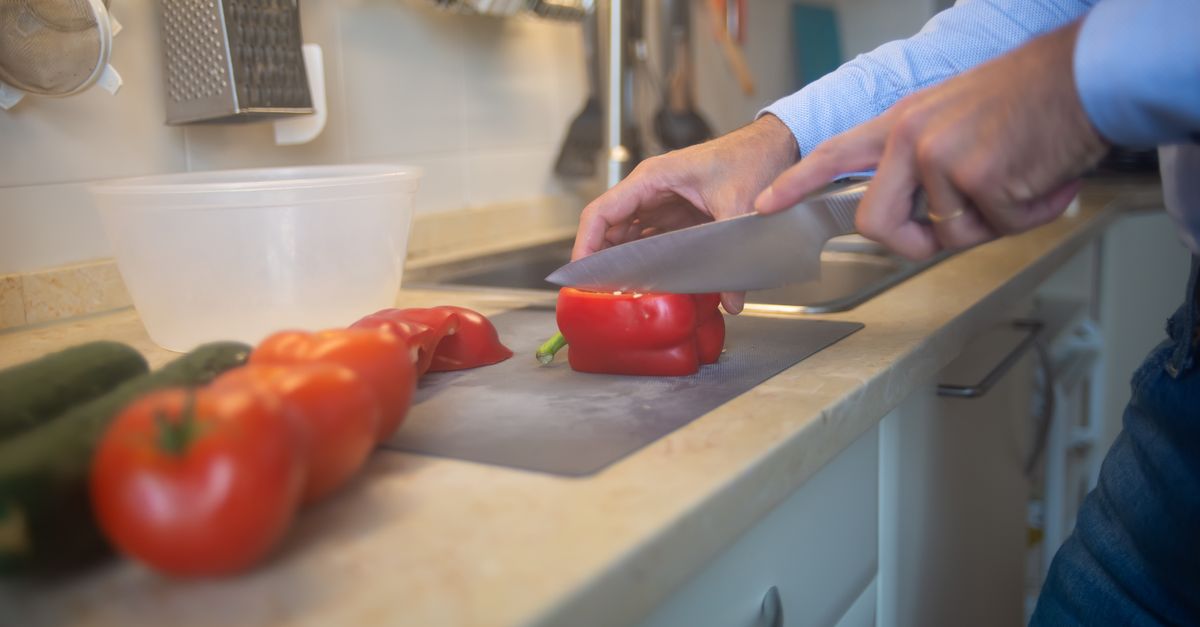
- Monday (The Environmental Audit): Remove all decorative and non-functional items from your primary countertops. Clean the surfaces thoroughly. Place your highest-quality cutting board and chef knife in the center of your workspace. This establishes your dedicated zone for material processing.
- Tuesday (The Refrigerator Realignment): Open your refrigerator and discard any condiments or products containing industrial seed oils, high-fructose corn syrup, or artificial colorings. Move your fresh vegetables and whole proteins out of the low crisper drawers and onto the main, eye-level shelves.
- Wednesday (The Sourcing Shift): Research and identify one direct-to-consumer food source in your region. This could be a local farm box delivery, a meat share program, or a nearby food cooperative. Place your first order for raw, unprocessed ingredients. This is a crucial step in your Food Revolution journey.
- Thursday (The Batch Foundation): Prepare a single, large batch of a stable grain or complex starch, such as quinoa, wild rice, or roasted sweet potatoes. Allow it to cool, then store it in a clear glass container. This provides your metabolic system with a reliable, slow-release energy source for the rest of the week.
- Friday (The Mechanical Mastery): Spend fifteen minutes sharpening your primary processing blade. A blunt knife increases cell damage in vegetables, accelerating their oxidation and spoilage. It also increases the physical effort and danger of prep work, creating mental resistance to cooking.
- Saturday (The Preservation Protocol): Experiment with a basic, ancient method of biological preservation. Try fermenting a jar of sliced cabbage with sea salt, or dehydrating seasonal herbs. This introduces beneficial microbial life into your environment and extends the lifecycle of your raw materials.
- Sunday (The System Integration): Map out your upcoming week. Identify the specific windows where you will dedicate sixty minutes to component processing. Ensure your inventory is prepared to support your professional energy requirements for the high-stakes days ahead.
Many beginners believe that starting a Food Revolution requires purchasing expensive, specialized kitchen gadgets. This is a design error. A kitchen filled with single-use appliances increases clutter, spatial friction, and cleaning maintenance. True kitchen sovereignty relies on mastering a minimal set of professional-grade, high-fidelity tools: a sharp carbon-steel blade, a heavy cast-iron cooking surface, and non-reactive glass storage vessels. Focus on mastering physical techniques rather than accumulating hardware.
To help you evaluate the current state of your kitchen space and identify areas that require immediate re-engineering, complete the quick self-assessment checklist below.
Quick Self-Assessment Checklist
- Visual Accessibility: Are at least three varieties of whole fruits or raw vegetables immediately visible when you enter your kitchen? (Yes/No)
- Sourcing Transparency: Can you identify the geographic origin and production method of at least eighty percent of the proteins currently in your kitchen? (Yes/No)
- Tool Readiness: Can you cleanly slice a ripe tomato with your primary chef knife without applying downward pressure or tearing the skin? (Yes/No)
- Spatial Clarity: Are your primary food preparation countertops completely free of decorative clutter and unused small appliances? (Yes/No)
- Inventory Liquidity: Are your prepared meals and ingredients stored in transparent glass containers rather than opaque plastic vessels? (Yes/No)
If you answered “No” to three or more of these questions, your current environment is actively working against your cognitive and physical potential. Each “No” represents a strategic opportunity to eliminate friction and reclaim your biological agency.
| System Variable | The Corporate Default Model | The Sovereign Kitchen Model |
|---|---|---|
| Sourcing Path | Industrial retail supermarkets (high margin, ultra-processed) | Direct-from-producer channels (raw, single-ingredient assets) |
| Decision Friction | High (constant choice at the point of fatigue) | Low (pre-loaded environmental design and prepped assets) |
| Material Integrity | Low (stabilizers, industrial seed oils, refined sugars) | High (unmanipulated proteins, active fibers, stable lipids) |
| Cognitive Yield | Post-meal energy drops, brain fog, metabolic volatility | Sustained focus, high decision quality, physical resilience |
Frequently Asked Questions About Kitchen Sovereignty
How can I participate in the Food Revolution if I have a very busy work schedule?
The sovereign kitchen model is specifically designed for high-performance individuals who have minimal time. The current industrial model of food consumption seems convenient, but it actually requires significant daily time expenditure: browsing delivery apps, waiting for couriers, or driving to restaurants. By shifting to a component-based preparation protocol, you spend ninety minutes once a week to reclaim up to ten hours during the week. This is a massive return on time investment that simplifies your daily operations and eliminates decision fatigue when your cognitive reserve is lowest.
Is a home-based Food Revolution more expensive than standard eating?
While purchasing high-quality raw materials from direct producers may seem to carry a premium, the systemic math tells a different story. When you buy whole, unprocessed ingredients in bulk, you bypass the enormous markups associated with industrial processing, packaging, marketing, and delivery services. The average household that transitions to a sovereign kitchen model experiences a thirty to fifty percent reduction in monthly food expenditure. This financial arbitrage is accompanied by a massive increase in nutritional density and a reduction in long-term health-related downtime.
What are the most critical tools I should invest in first?
You do not need an array of high-tech gadgets to establish a high-output workspace. You only need to invest in three foundational tools of agency: a professional eight-inch carbon-steel chef knife, a large, heavy wooden cutting board that does not slide during processing, and a heavy-gauge cast-iron or carbon-steel skillet for thermal conductivity. These simple, physical tools require minimal maintenance, last for decades, and allow you to process raw biological materials with maximum safety, precision, and enjoyment.
Conclusion: Your Biological Sovereignty Starts Now
Re-engineering your kitchen is the most high-leverage move you can make to secure your professional longevity and personal vitality. By shifting from a consumption-based mindset to a systems-oriented production model, you take responsibility for the fuel that drives your thoughts, your actions, and your career. The food revolution is not a temporary health trend: it is an ongoing practice of environmental and cognitive design. It represents the intentional reclamation of your most valuable asset: your human capacity.
Here are your three actionable takeaways to implement within the next forty-eight hours:
- Clear your prep counter: Remove all small appliances, cookbooks, and decorative clutter from your main kitchen counter to create a zero-friction zone for food processing.
- Realign your refrigerator: Move fresh vegetables, whole fruits, and prepared proteins to the main, eye-level shelves where they are immediately visible.
- Sharpen your primary blade: Take fifteen minutes to hone or sharpen your chef knife to ensure precise, effortless cutting and minimal material cell damage.
To master the full spectrum of these environmental strategies and gain access to the complete blueprints for biological sovereignty, secure your copy of the Food Revolution book on Amazon today. This resources provides the definitive, practical guide for anyone ready to stop being a target of industrial convenience and start being the sovereign architect of their own well-being.
Get the Food Revolution book on Amazon and start your transformation today